



Więcej o książce
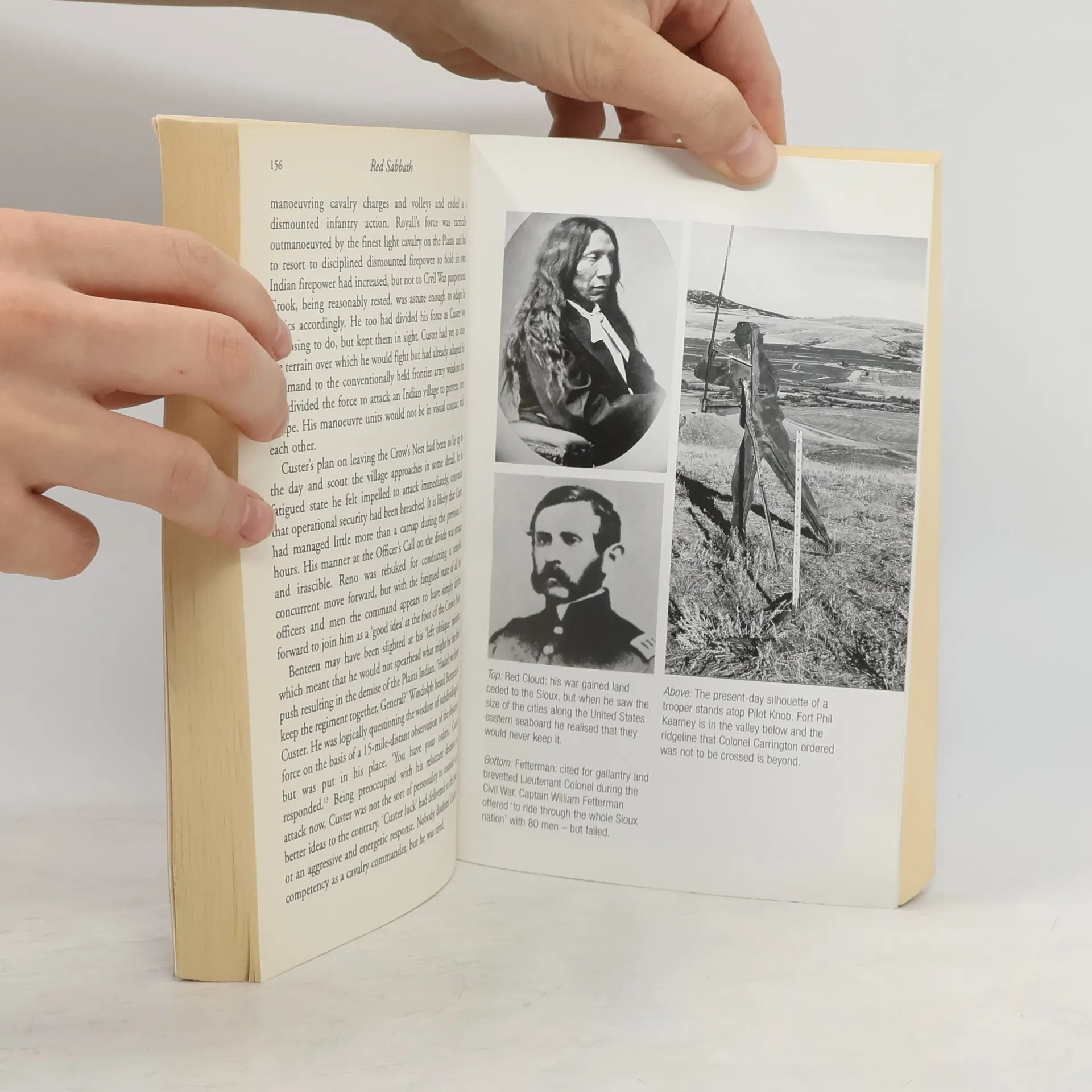
Few battles in the history of U.S. expansion during the Indian Wars are as famous as Little Bighorn. The romanticized view of Custer's last stand against Native Americans has achieved iconic status, but recent research reveals a more complex reality. The Battle of Little Bighorn, occurring on June 25, 1876, was the result of ongoing conflict between Native Americans and European settlers. The 7th Cavalry, led by Custer, encountered a large Indian camp by the Little Bighorn River, leading to a legendary but misconceived battle. With no survivors from the 7th Cavalry to recount their experiences, the Native Americans recorded their victory through pictographs and oral traditions, which historians have long struggled to interpret. Military historian Robert Kershaw examines the causes of Custer's defeat from a soldier's perspective, analyzing the factors contributing to this setback for a modern U.S. Army against a seemingly unsophisticated foe. Kershaw's forensic approach draws on a variety of sources, including contemporary reports and recent archaeological findings, to provide a fresh perspective on the battle and its implications. His work challenges established myths about Custer's military prowess and offers a unique insight into the complexities surrounding the Battle of Little Bighorn.
Zakup książki
Red Sabbath, Robert Kershaw
- Język

- Rok wydania
- 2008
- Oprawa
- (miękka)
Metody płatności
Brakuje nam tutaj Twojej recenzji.
- Tytuł
- Red Sabbath
- Podtytuł
- The Battle of Little Bighorn
- Język
- angielski
- Autorzy
- Robert Kershaw
- Wydawca
- Ian Allan Pub
- Rok wydania
- 2008
- Oprawa
- miękka
- Liczba stron
- 340
- ISBN10
- 0711033250
- ISBN13
- 9780711033252
- Seria
- Kategorie
- Ocena
- 4,1 z 5
- Opis
- Few battles in the history of U.S. expansion during the Indian Wars are as famous as Little Bighorn. The romanticized view of Custer's last stand against Native Americans has achieved iconic status, but recent research reveals a more complex reality. The Battle of Little Bighorn, occurring on June 25, 1876, was the result of ongoing conflict between Native Americans and European settlers. The 7th Cavalry, led by Custer, encountered a large Indian camp by the Little Bighorn River, leading to a legendary but misconceived battle. With no survivors from the 7th Cavalry to recount their experiences, the Native Americans recorded their victory through pictographs and oral traditions, which historians have long struggled to interpret. Military historian Robert Kershaw examines the causes of Custer's defeat from a soldier's perspective, analyzing the factors contributing to this setback for a modern U.S. Army against a seemingly unsophisticated foe. Kershaw's forensic approach draws on a variety of sources, including contemporary reports and recent archaeological findings, to provide a fresh perspective on the battle and its implications. His work challenges established myths about Custer's military prowess and offers a unique insight into the complexities surrounding the Battle of Little Bighorn.