

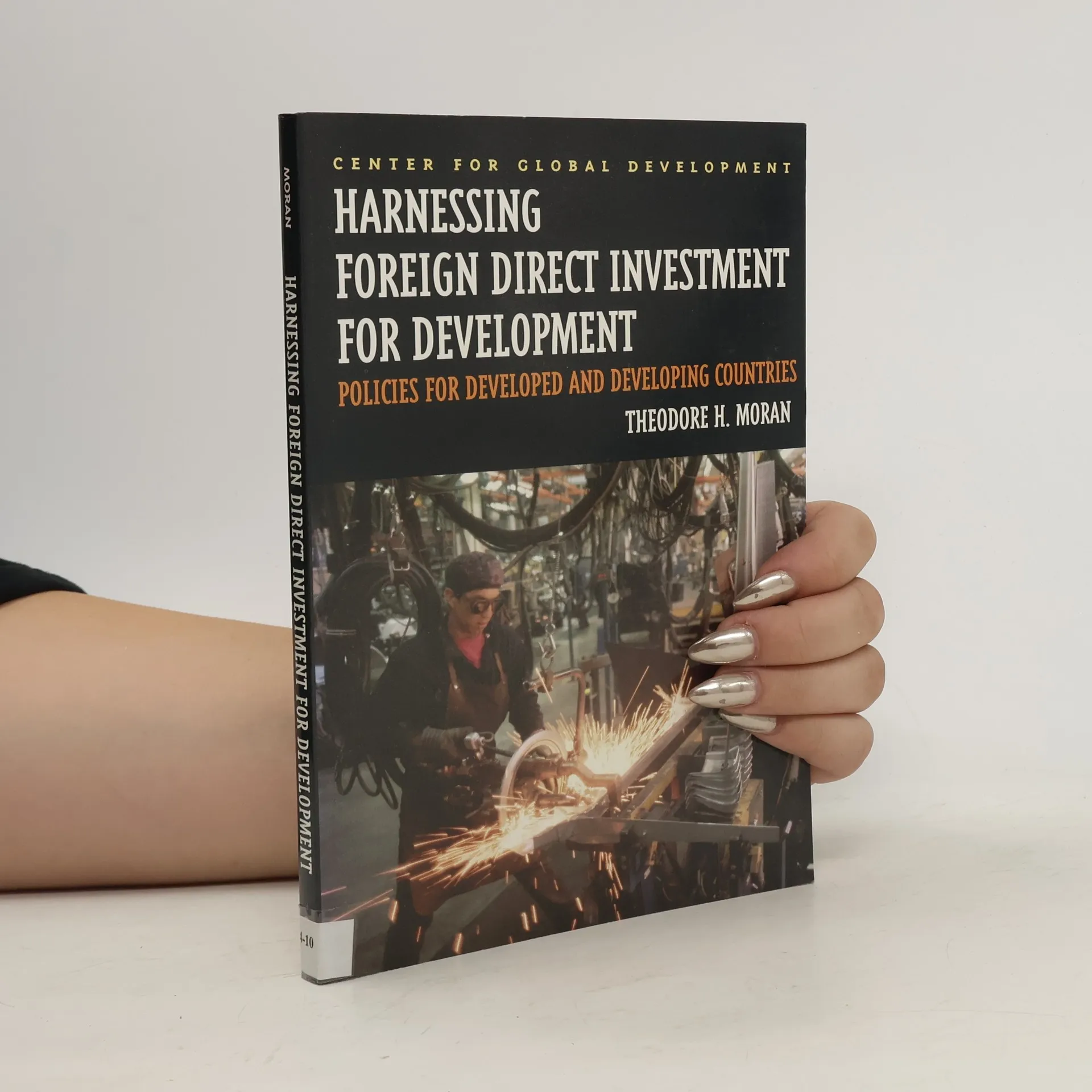

Harnessing Foreign Direct Investment for Development
Policies for Developed and Developing Countries
Autorzy
Ocena książki
Więcej o książce
Is foreign direct investment good for development? Moving beyond the findings of his previous book Does Foreign Direct Investment Promote Development? (CGD and IIE, 2005), Theodore H. Moran presents surprisingly good —and startlingly bad —news. The good news highlights how foreign direct investment can make a contribution to development significantly more powerful and more varied than conventional measurements indicate. The bad news reveals that foreign direct investment can also distort host economies and polities with consequences substantially more adverse than critics and cynics have imagined.This book rigorously examines the principal controversies and debates about FDI in manufacturing and assembly, extractive industries, and infrastructure, in light of new evidence and analysis. Written in engaging prose, it identifies how developed and developing countries, multilateral lending agencies, and civil society can work in concert to harness foreign direct investment to promote the growth and welfare of developing countries.
Zakup książki
Harnessing Foreign Direct Investment for Development, Theodore H. Moran
- Język

- Rok wydania
- 2006
- Oprawa
- (miękka)
Metody płatności
Brakuje nam tutaj Twojej recenzji.
- Tytuł
- Harnessing Foreign Direct Investment for Development
- Podtytuł
- Policies for Developed and Developing Countries
- Język
- angielski
- Autorzy
- Theodore H. Moran
- Rok wydania
- 2006
- Oprawa
- miękka
- Liczba stron
- 192
- ISBN10
- 1933286091
- ISBN13
- 9781933286099
- Seria
- Tagi
- Biznes
- Ocena
- 3,75 z 5
- Opis
- Is foreign direct investment good for development? Moving beyond the findings of his previous book Does Foreign Direct Investment Promote Development? (CGD and IIE, 2005), Theodore H. Moran presents surprisingly good —and startlingly bad —news. The good news highlights how foreign direct investment can make a contribution to development significantly more powerful and more varied than conventional measurements indicate. The bad news reveals that foreign direct investment can also distort host economies and polities with consequences substantially more adverse than critics and cynics have imagined.This book rigorously examines the principal controversies and debates about FDI in manufacturing and assembly, extractive industries, and infrastructure, in light of new evidence and analysis. Written in engaging prose, it identifies how developed and developing countries, multilateral lending agencies, and civil society can work in concert to harness foreign direct investment to promote the growth and welfare of developing countries.