

Parametry
- 256 stron
- 9 godzin czytania
Więcej o książce
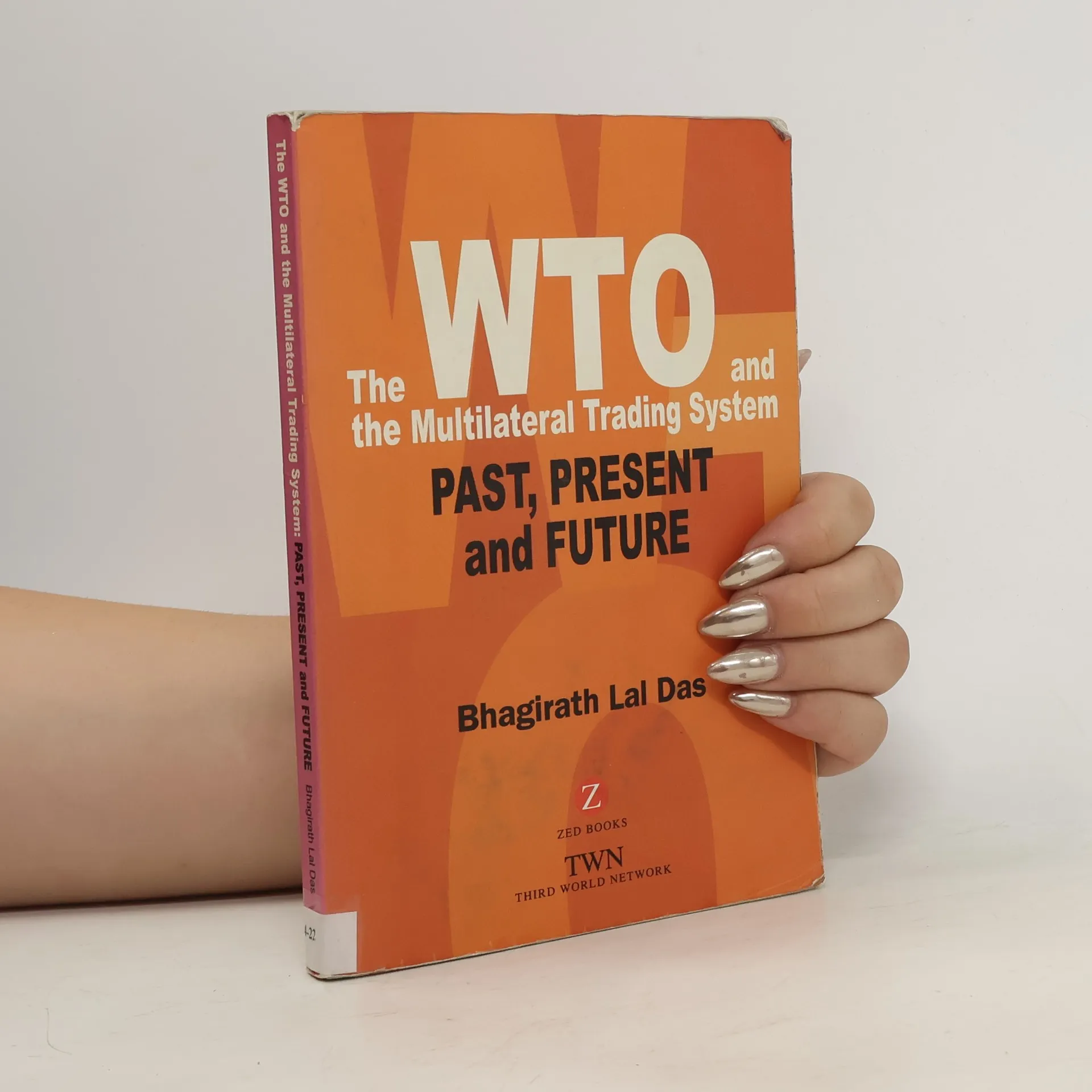
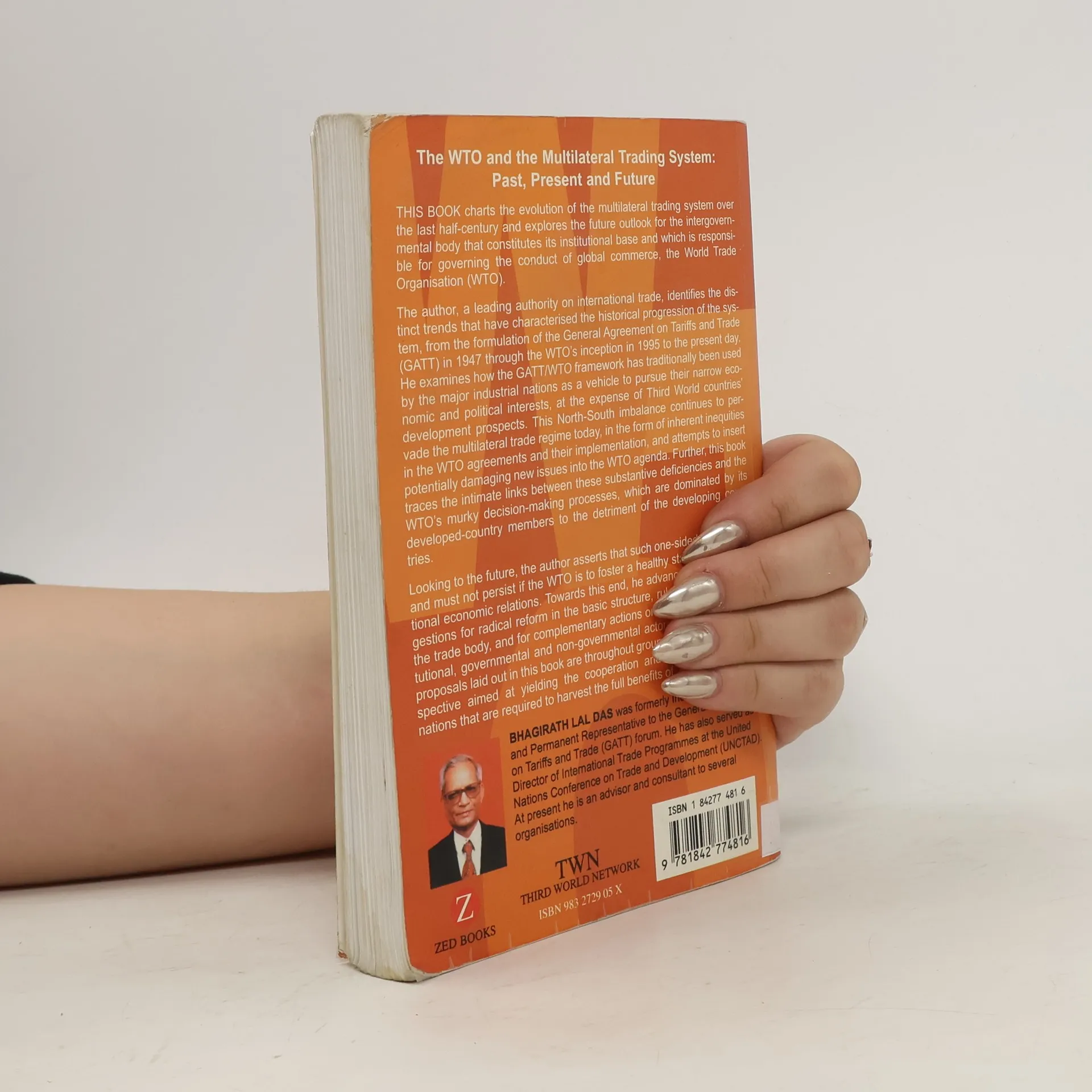
This book charts the evolution of the multilateral trading system and explores the future outlook for the World Trade Organisation (WTO). Bhagirath Lal examines how GATT/WTO has traditionally been used by the major industrial nations to pursue their own economic and political interests, at the expense of Third World development. This North-South imbalance continues today. Further, this book traces the intimate links between these deficiencies and the WTO's murky decision-making processes, dominated by its developed country members.Das asserts that future stability in international economic relations depends on abandoning the WTO's partiality. Towards this end, he advances concrete suggestions for radical reform in the basic structure, rules and practices of the trade body, and for complementary actions by other institutional, governmental and non-governmental actors. The analysis and proposals laid out in this book are grounded in a practical perspective aimed at yielding the cooperation and mutual gain among nations that are required to harvest the full benefits of international trade.
Zakup książki
The WTO and the Multilateral Trading System, Bhagirath Lal Das
- Język

- Rok wydania
- 2004
- Oprawa
- (miękka)
Metody płatności
Brakuje nam tutaj Twojej recenzji.
- Tytuł
- The WTO and the Multilateral Trading System
- Podtytuł
- Past, Present and Future
- Język
- angielski
- Autorzy
- Bhagirath Lal Das
- Wydawca
- Zed Books
- Rok wydania
- 2004
- Oprawa
- miękka
- Liczba stron
- 256
- ISBN10
- 1842774816
- ISBN13
- 9781842774816
- Seria
- Kategorie
- Ocena
- 4 z 5
- Opis
- This book charts the evolution of the multilateral trading system and explores the future outlook for the World Trade Organisation (WTO). Bhagirath Lal examines how GATT/WTO has traditionally been used by the major industrial nations to pursue their own economic and political interests, at the expense of Third World development. This North-South imbalance continues today. Further, this book traces the intimate links between these deficiencies and the WTO's murky decision-making processes, dominated by its developed country members.Das asserts that future stability in international economic relations depends on abandoning the WTO's partiality. Towards this end, he advances concrete suggestions for radical reform in the basic structure, rules and practices of the trade body, and for complementary actions by other institutional, governmental and non-governmental actors. The analysis and proposals laid out in this book are grounded in a practical perspective aimed at yielding the cooperation and mutual gain among nations that are required to harvest the full benefits of international trade.