

Parametry
- 202 strony
- 8 godzin czytania
Więcej o książce
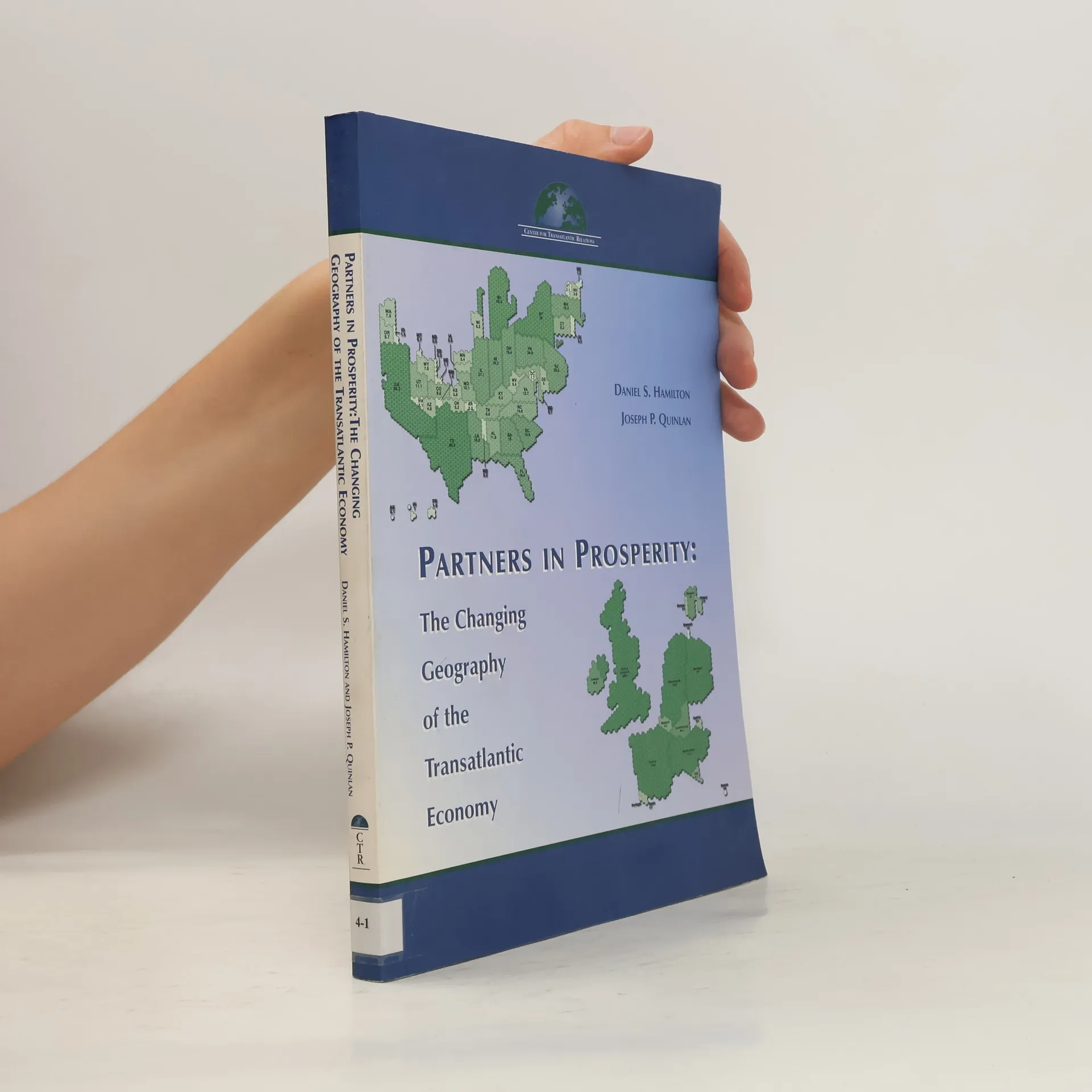
One of the most dangerous deficits facing transatlantic relations today is not in trade, payments, or military capabilities. It is a deficit in understanding the vital stake Americans and Europeans have developed in the health of their economic relationship. Globalization is happening faster and reaching deeper between Europe and America than between any other two continents. The transatlantic economy generates roughly $3.5 trillion in total commercial sales a year and employs over 12 million workers in mutually ""insourced"" jobs.This book maps the increasingly dense web of investment, trade, and jobs that connects Europe's regions to America's states. It traces the impact of NAFTA and EU enlargement on transatlantic economic flows. It tracks intercontinental ""connectivity"" in the new knowledge economy, and it sets forth areas in which Europe and America continue to be global pathfinders.In the context of today's debates about globalization and transatlantic drift, this book offers some unanticipated and counterintuitive connections that have important policy implications.
Zakup książki
Partners in Prosperity, Daniel S. Hamilton, Joseph P. Quinlan
- Język

- Rok wydania
- 2004
- Oprawa
- (miękka)
Metody płatności
Nikt jeszcze nie ocenił.
- Tytuł
- Partners in Prosperity
- Podtytuł
- The Changing Geography of the Transatlantic Economy
- Język
- angielski
- Autorzy
- Daniel S. Hamilton, Joseph P. Quinlan
- Rok wydania
- 2004
- Oprawa
- miękka
- Liczba stron
- 202
- ISBN10
- 0975332554
- ISBN13
- 9780975332559
- Seria
- Kategorie
- Opis
- One of the most dangerous deficits facing transatlantic relations today is not in trade, payments, or military capabilities. It is a deficit in understanding the vital stake Americans and Europeans have developed in the health of their economic relationship. Globalization is happening faster and reaching deeper between Europe and America than between any other two continents. The transatlantic economy generates roughly $3.5 trillion in total commercial sales a year and employs over 12 million workers in mutually ""insourced"" jobs.This book maps the increasingly dense web of investment, trade, and jobs that connects Europe's regions to America's states. It traces the impact of NAFTA and EU enlargement on transatlantic economic flows. It tracks intercontinental ""connectivity"" in the new knowledge economy, and it sets forth areas in which Europe and America continue to be global pathfinders.In the context of today's debates about globalization and transatlantic drift, this book offers some unanticipated and counterintuitive connections that have important policy implications.