

Parametry
- 386 stron
- 14 godzin czytania
Więcej o książce
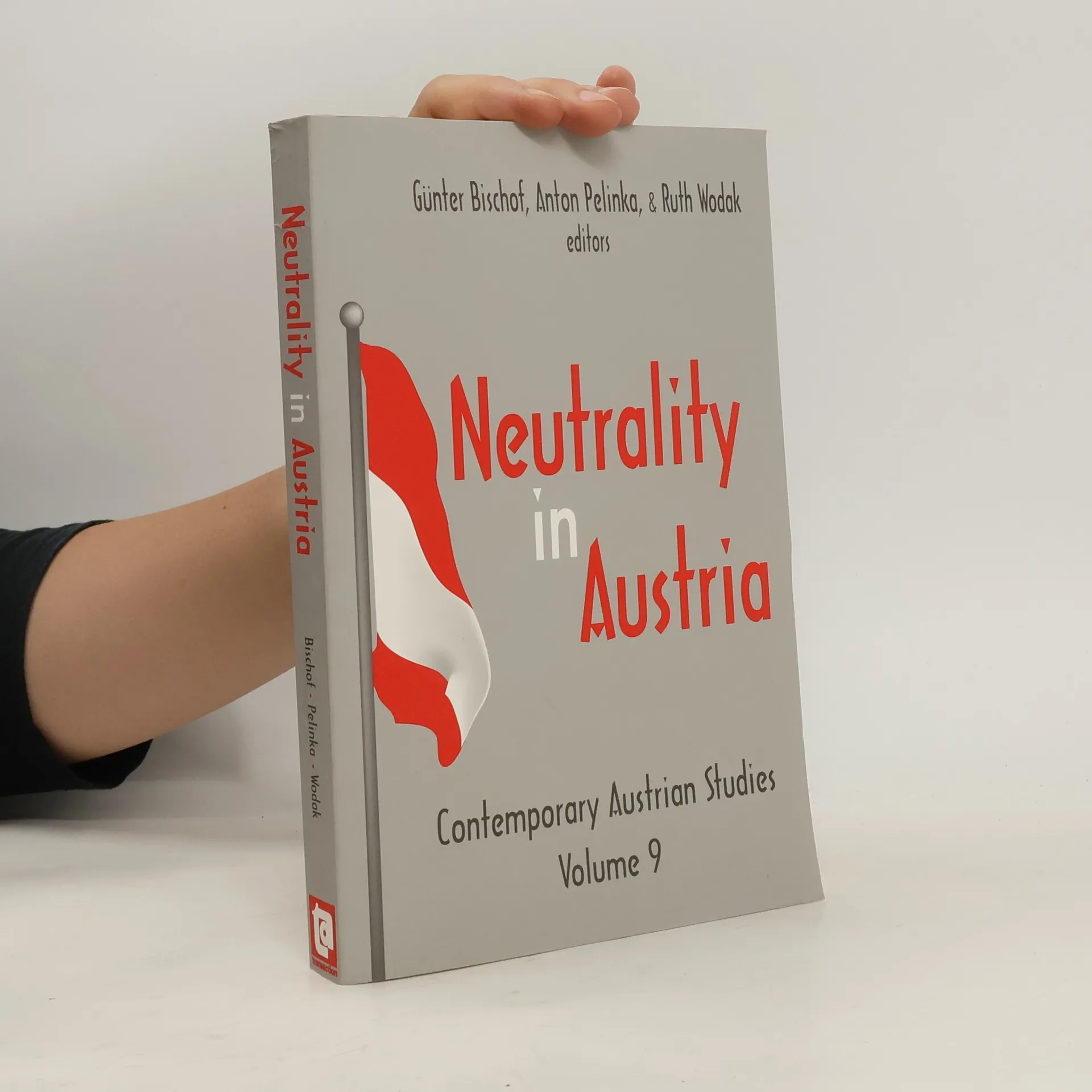
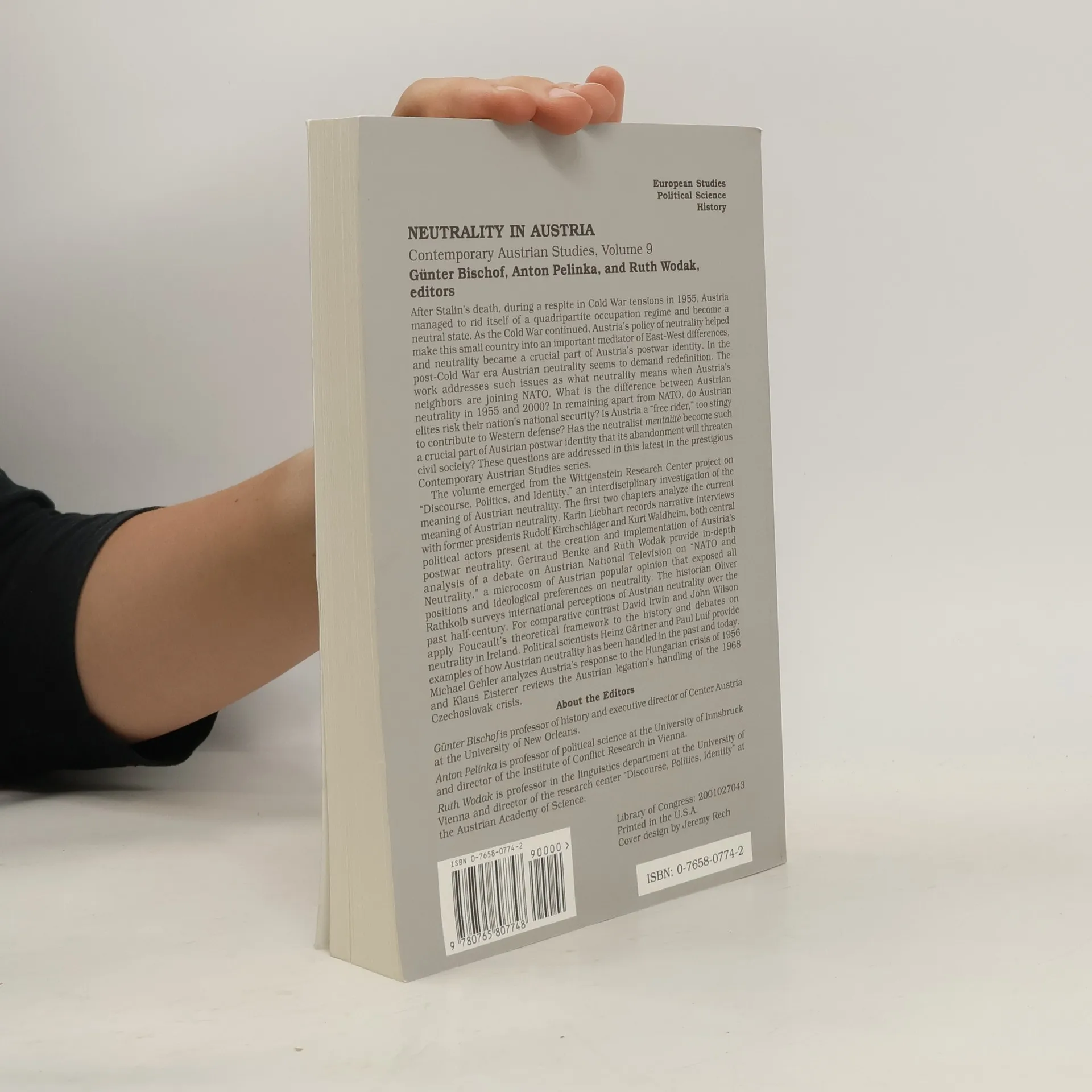
After Stalin's death in 1955, Austria successfully transitioned from a quadripartite occupation to a neutral state, establishing itself as a mediator in East-West tensions during the Cold War. This neutrality became a fundamental aspect of Austria's postwar identity. However, in the post-Cold War context, the concept of neutrality requires reexamination, especially as neighboring countries join NATO. Key questions arise: How does Austrian neutrality differ from 1955 to 2000? Are Austrian elites jeopardizing national security by remaining outside NATO? Is Austria merely a "free rider" in Western defense? Could abandoning neutrality threaten civil society? This volume, part of the Contemporary Austrian Studies series, stems from the Wittgenstein Research Center's interdisciplinary project on "Discourse, Politics, and Identity." It explores the current significance of Austrian neutrality through various analyses. Karin Liebhart presents narrative interviews with former presidents Rudolf Kirchschläger and Kurt Waldheim, while Gertraud Benke and Ruth Wodak analyze a debate on Austrian National Television reflecting public opinion on NATO and neutrality. Historian Oliver Rathkolb surveys international perceptions of Austrian neutrality over the last fifty years. Comparative insights are provided by David Irwin and John Wilson, applying Foucault's framework to Irish neutrality debates. Political scientists Heinz Grätner and Paul Luif
Zakup książki
Contemporary Austrian Studies - 9: Neutrality in Austria, Günter Bischof, Anton Pelinka, Ruth Wodak
- Język

- Rok wydania
- 2001
- Oprawa
- (miękka)
Metody płatności
Nikt jeszcze nie ocenił.
- Tytuł
- Contemporary Austrian Studies - 9: Neutrality in Austria
- Język
- angielski
- Autorzy
- Günter Bischof, Anton Pelinka, Ruth Wodak
- Wydawca
- Routledge
- Rok wydania
- 2001
- Oprawa
- miękka
- Liczba stron
- 386
- ISBN10
- 0765807742
- ISBN13
- 9780765807748
- Seria
- Kategorie
- Opis
- After Stalin's death in 1955, Austria successfully transitioned from a quadripartite occupation to a neutral state, establishing itself as a mediator in East-West tensions during the Cold War. This neutrality became a fundamental aspect of Austria's postwar identity. However, in the post-Cold War context, the concept of neutrality requires reexamination, especially as neighboring countries join NATO. Key questions arise: How does Austrian neutrality differ from 1955 to 2000? Are Austrian elites jeopardizing national security by remaining outside NATO? Is Austria merely a "free rider" in Western defense? Could abandoning neutrality threaten civil society? This volume, part of the Contemporary Austrian Studies series, stems from the Wittgenstein Research Center's interdisciplinary project on "Discourse, Politics, and Identity." It explores the current significance of Austrian neutrality through various analyses. Karin Liebhart presents narrative interviews with former presidents Rudolf Kirchschläger and Kurt Waldheim, while Gertraud Benke and Ruth Wodak analyze a debate on Austrian National Television reflecting public opinion on NATO and neutrality. Historian Oliver Rathkolb surveys international perceptions of Austrian neutrality over the last fifty years. Comparative insights are provided by David Irwin and John Wilson, applying Foucault's framework to Irish neutrality debates. Political scientists Heinz Grätner and Paul Luif