

Parametry
- 192 strony
- 7 godzin czytania
Więcej o książce
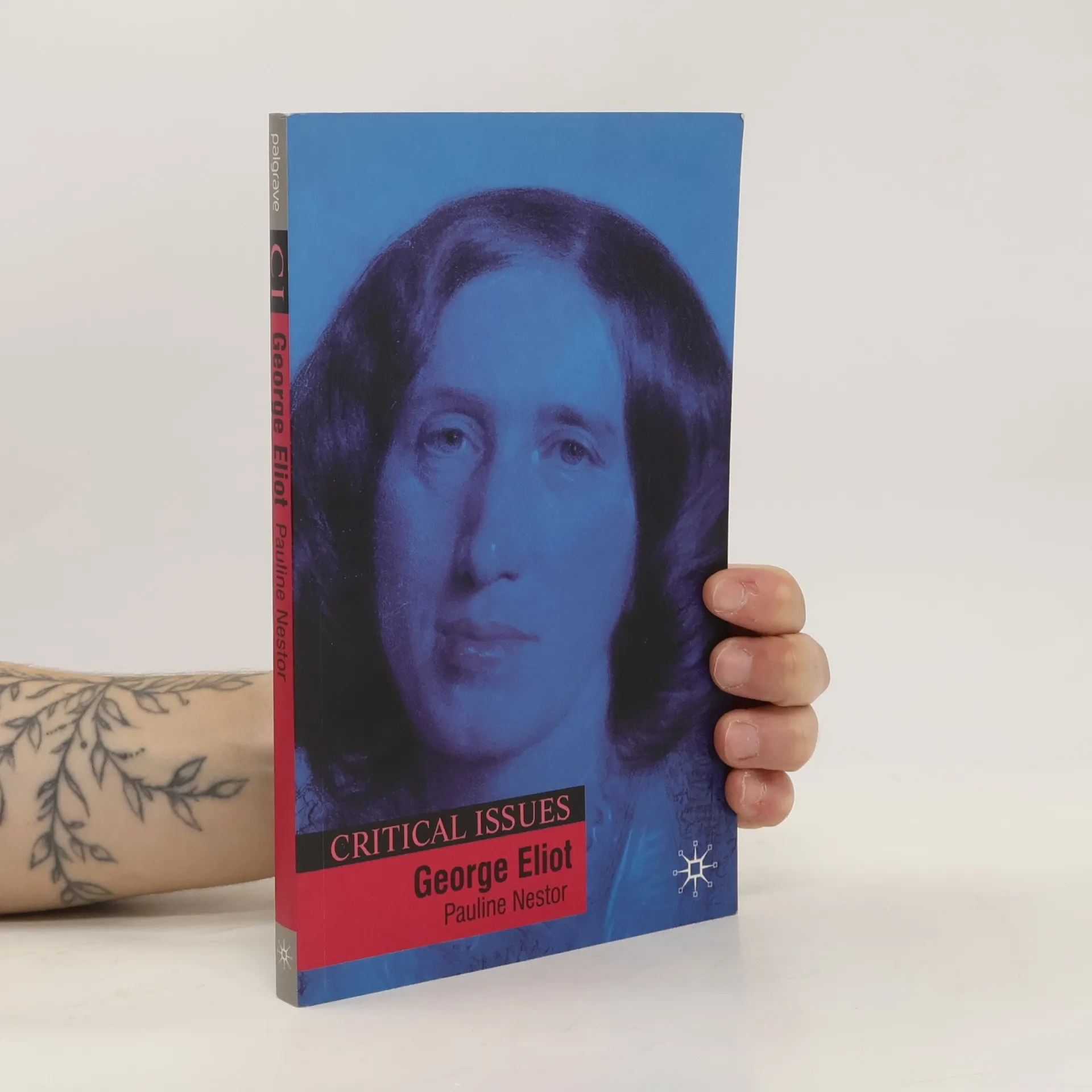
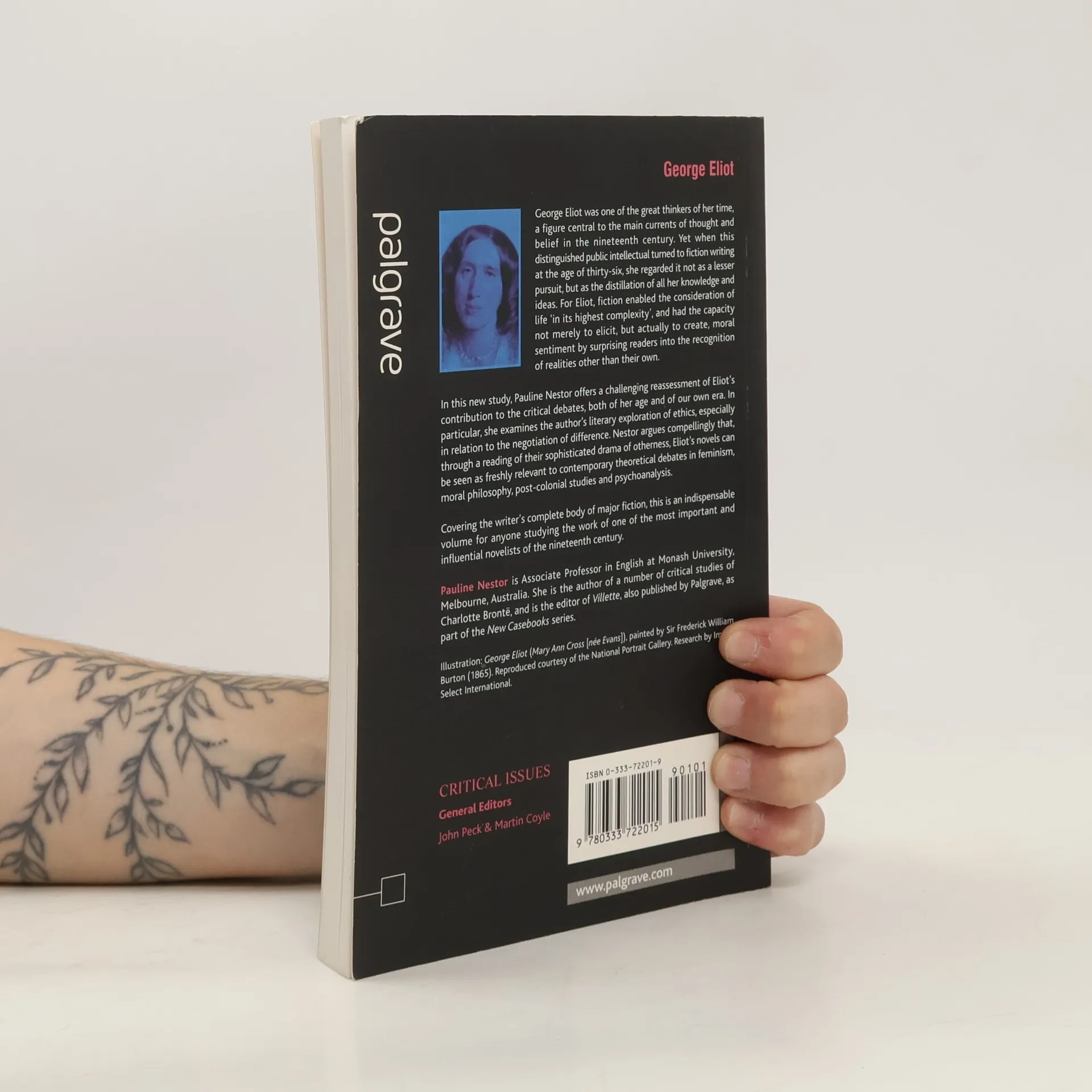
George Eliot was one of the great thinkers of her time, a figure central to the main currents of thought and belief in the nineteenth century. Yet when this distinguished public intellectual turned to fiction writing at the age of thirty-six, she regarded it not as a lesser pursuit, but as the distillation of all of her knowledge and ideas. For Eliot, fiction enabled the consideration of life 'in its highest complexity', and had the capacity not merely to elicit, but actually to create, moral sentiment by surprising readers into the recognition of realities other than their own.In this new study, Pauline Nestor offers a challenging reassessment of Eliot's contribution to the critical debates, both of her age and of her own era. In particular, she examines the author's literary expolration of ethics, especially in relation to the negotiation of difference. Nestor argues compellingly that, through a reading of their sophisticated drama of otherness, Eliot's novels can be seen as freshly relevant to contemporary theoretical debates in feminism, moral philosophy, post-colonial studies and psychoanalysis.Covering the writer's complete body of major fiction, this is an indispensable voume for anyone studying the work of one of the most important and influential novelists of the nineteenth century.
Zakup książki
Critical Issues: George Eliot, Pauline Nestor
- Język

- Rok wydania
- 2002
- Oprawa
- (miękka)
Metody płatności
Nikt jeszcze nie ocenił.
- Tytuł
- Critical Issues: George Eliot
- Język
- angielski
- Autorzy
- Pauline Nestor
- Wydawca
- Red Globe Press
- Rok wydania
- 2002
- Oprawa
- miękka
- Liczba stron
- 192
- ISBN10
- 0333722019
- ISBN13
- 9780333722015
- Seria
- Kategorie
- Tagi
- Tematy historyczne, Tematyka filozoficzna, XIX wiek, Feminizm, Krytyka literacka, Etyka, Literatura a polityka
- Opis
- George Eliot was one of the great thinkers of her time, a figure central to the main currents of thought and belief in the nineteenth century. Yet when this distinguished public intellectual turned to fiction writing at the age of thirty-six, she regarded it not as a lesser pursuit, but as the distillation of all of her knowledge and ideas. For Eliot, fiction enabled the consideration of life 'in its highest complexity', and had the capacity not merely to elicit, but actually to create, moral sentiment by surprising readers into the recognition of realities other than their own.In this new study, Pauline Nestor offers a challenging reassessment of Eliot's contribution to the critical debates, both of her age and of her own era. In particular, she examines the author's literary expolration of ethics, especially in relation to the negotiation of difference. Nestor argues compellingly that, through a reading of their sophisticated drama of otherness, Eliot's novels can be seen as freshly relevant to contemporary theoretical debates in feminism, moral philosophy, post-colonial studies and psychoanalysis.Covering the writer's complete body of major fiction, this is an indispensable voume for anyone studying the work of one of the most important and influential novelists of the nineteenth century.