

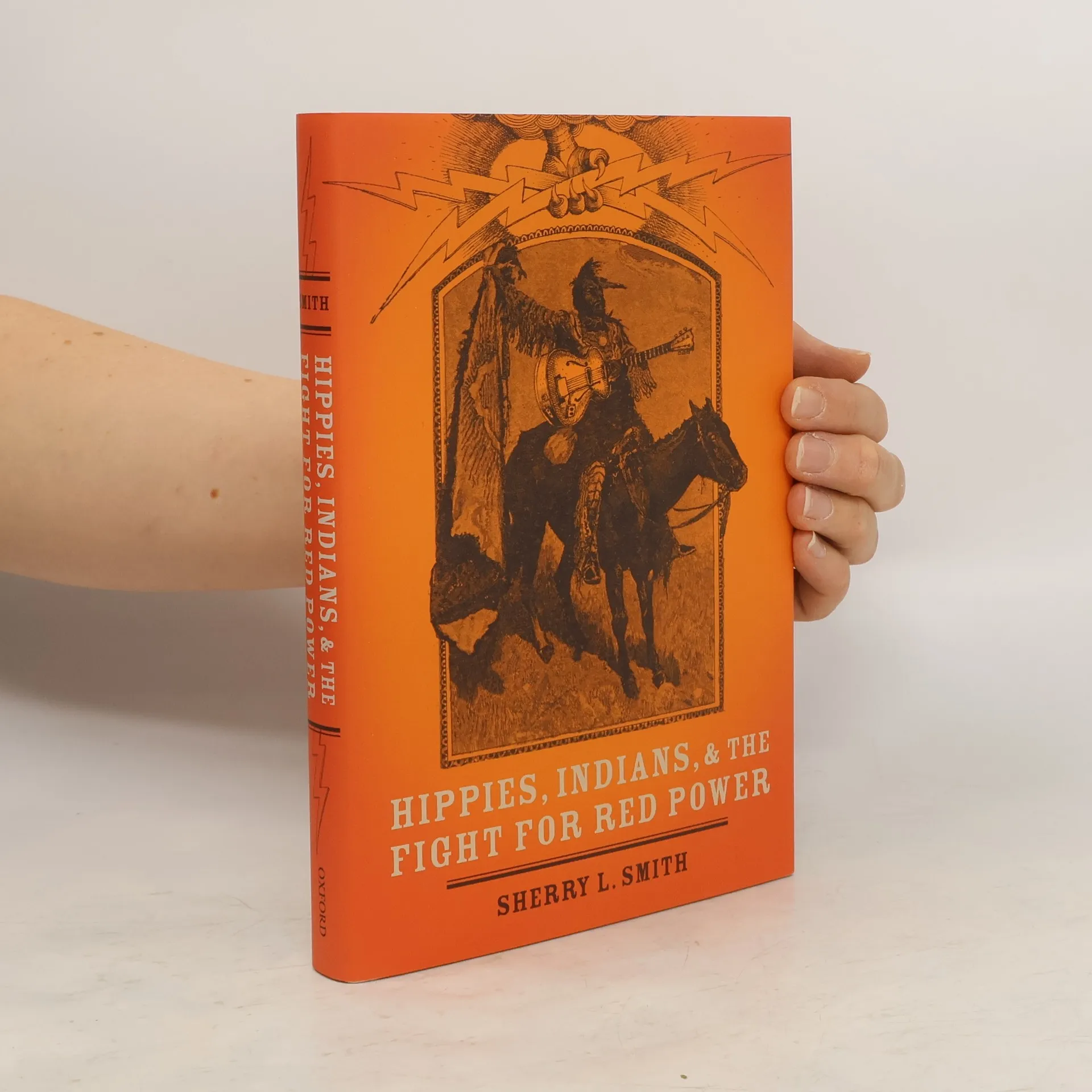


Więcej o książce
Throughout much of the 20th century, federal policy aimed to eradicate Native American culture. This changed in the late 1960s when a diverse coalition—including hippies, civil rights advocates, Black Panthers, unions, Mexican-Americans, Quakers, and celebrities—joined Red Power activists to advocate for Indian rights. Sherry Smith provides a comprehensive account of this pivotal period. Hippies, seeking authenticity and social justice, were among the first post-World War II non-Indians to connect with Native Americans, viewing them as spiritual and communal holdouts against conformity. Various progressive groups became involved in the Indian cause, with Black Panthers participating in fish-ins and Corky Gonzales' Mexican American Crusade for Justice supporting the Wounded Knee occupation. Prominent figures like Marlon Brando and Dick Gregory raised awareness about Native issues. Recognizing the need for external support to achieve political change, Native Americans educated and enlisted non-Indians in their struggle for treaty rights, tribal sovereignty, and cultural preservation. This ephemeral yet impactful coalition led to significant political reforms that bolstered Indian sovereignty. Smith's thorough research and vivid writing illuminate this transformative historical moment and enhance our understanding of social movements.
Zakup książki
Hippies, Indians, and the Fight for Red Power, Sherry L. Smith
- Język

- Rok wydania
- 2012
- Oprawa
- (twarda)
Metody płatności
Brakuje nam tutaj Twojej recenzji.
- Tytuł
- Hippies, Indians, and the Fight for Red Power
- Język
- angielski
- Autorzy
- Sherry L. Smith
- Wydawca
- Oxford University Press
- Rok wydania
- 2012
- Oprawa
- twarda
- Liczba stron
- 280
- ISBN10
- 0199855595
- ISBN13
- 9780199855599
- Seria
- Ocena
- 3,5 z 5
- Opis
- Throughout much of the 20th century, federal policy aimed to eradicate Native American culture. This changed in the late 1960s when a diverse coalition—including hippies, civil rights advocates, Black Panthers, unions, Mexican-Americans, Quakers, and celebrities—joined Red Power activists to advocate for Indian rights. Sherry Smith provides a comprehensive account of this pivotal period. Hippies, seeking authenticity and social justice, were among the first post-World War II non-Indians to connect with Native Americans, viewing them as spiritual and communal holdouts against conformity. Various progressive groups became involved in the Indian cause, with Black Panthers participating in fish-ins and Corky Gonzales' Mexican American Crusade for Justice supporting the Wounded Knee occupation. Prominent figures like Marlon Brando and Dick Gregory raised awareness about Native issues. Recognizing the need for external support to achieve political change, Native Americans educated and enlisted non-Indians in their struggle for treaty rights, tribal sovereignty, and cultural preservation. This ephemeral yet impactful coalition led to significant political reforms that bolstered Indian sovereignty. Smith's thorough research and vivid writing illuminate this transformative historical moment and enhance our understanding of social movements.