



Ocena książki
Parametry
- 168 stron
- 6 godzin czytania
Więcej o książce
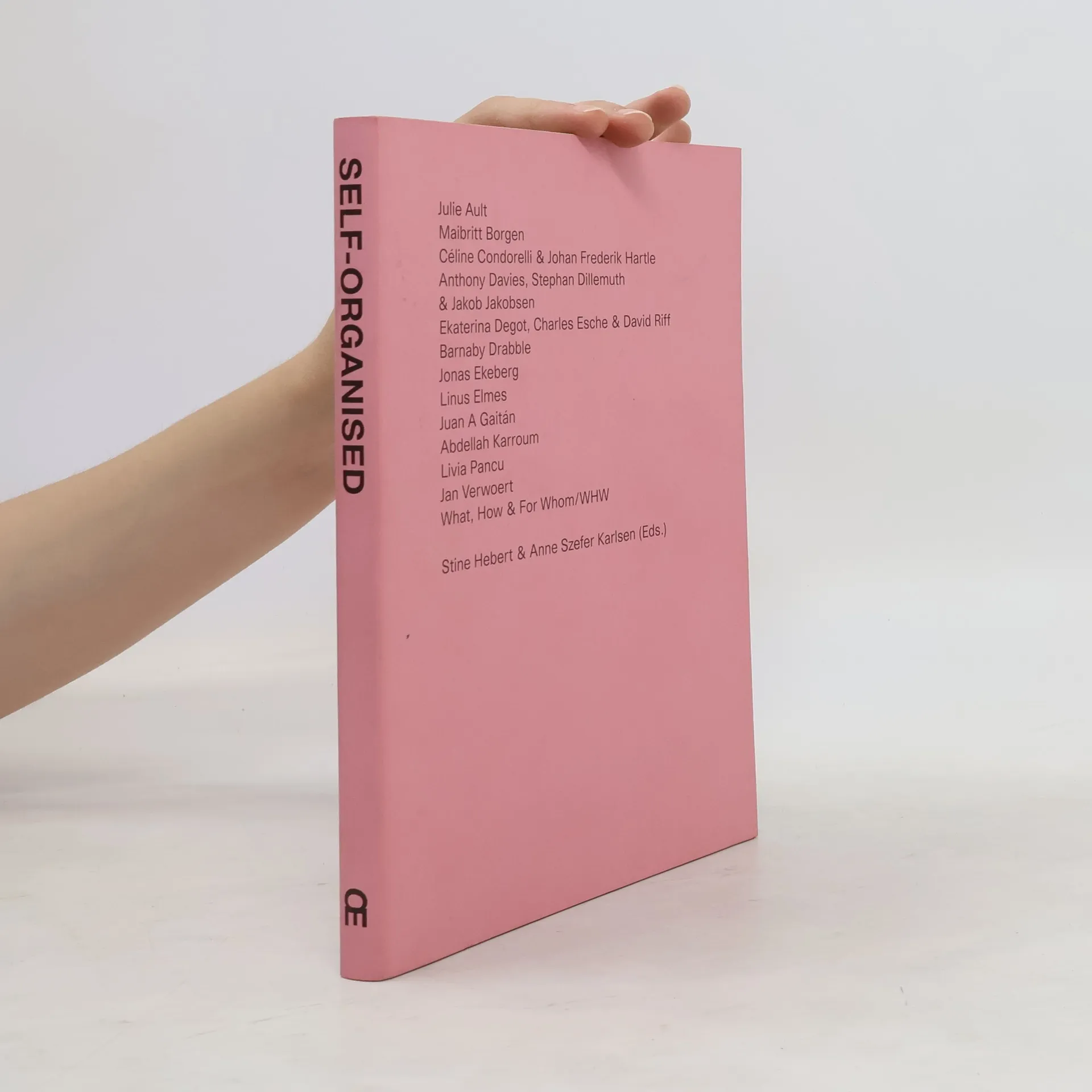
The current economic situation and society’s low confidence in its institutions demands that artists become more imaginative in their self-organization. If labels such as ‘alternative,’ ‘non-profit’ and ‘artist-run’ dominated the self-organized art scene of the late nineties, the separatist position implied by the use of these terms has been moderated during the intervening years. This new anthology of accounts from the frontline includes contributions by artist practitioners as well as their institutional counterparts providing a fascinating account of the art world as a matrix of positions where the balance of power and productivity constantly shifts. Artists, curators and critics discuss empirical and theoretical approaches from Europe, Africa and South and North America on how self-organization today oscillates between the self and the group, self-imposed bureaucratization and flexibility, aestheticization and activism.
Zakup książki
Self-Organized, Julie Ault, Jan Verwoert, Charles Esche, Johan Frederik Hartle, Maibritt Borgen, Stephan Dillemuth, Jonas Ekeberg, Céline Condorelli, Ekaterina Degot, Jakob Jakobsen, Anthony Davies, David Riff, Linus Elmes, Juan A Gaitán, Livia Pancu, Barnaby Drabble, Stine Hebert, Anne Szefer Karlsen, Abdellah Karroum
- Język

- Rok wydania
- 2013
- Oprawa
- (miękka)
Metody płatności
Brakuje nam tutaj Twojej recenzji.
- Tytuł
- Self-Organized
- Język
- angielski
- Autorzy
- Julie Ault, Jan Verwoert, Charles Esche, Johan Frederik Hartle, Maibritt Borgen, Stephan Dillemuth, Jonas Ekeberg, Céline Condorelli, Ekaterina Degot, Jakob Jakobsen, Anthony Davies, David Riff, Linus Elmes, Juan A Gaitán, Livia Pancu, Barnaby Drabble, Stine Hebert, Anne Szefer Karlsen, Abdellah Karroum
- Wydawca
- Open Books
- Rok wydania
- 2013
- Oprawa
- miękka
- Liczba stron
- 168
- ISBN10
- 0949004170
- ISBN13
- 9780949004178
- Seria
- Kategorie
- Ocena
- 4 z 5
- Opis
- The current economic situation and society’s low confidence in its institutions demands that artists become more imaginative in their self-organization. If labels such as ‘alternative,’ ‘non-profit’ and ‘artist-run’ dominated the self-organized art scene of the late nineties, the separatist position implied by the use of these terms has been moderated during the intervening years. This new anthology of accounts from the frontline includes contributions by artist practitioners as well as their institutional counterparts providing a fascinating account of the art world as a matrix of positions where the balance of power and productivity constantly shifts. Artists, curators and critics discuss empirical and theoretical approaches from Europe, Africa and South and North America on how self-organization today oscillates between the self and the group, self-imposed bureaucratization and flexibility, aestheticization and activism.