

Więcej o książce
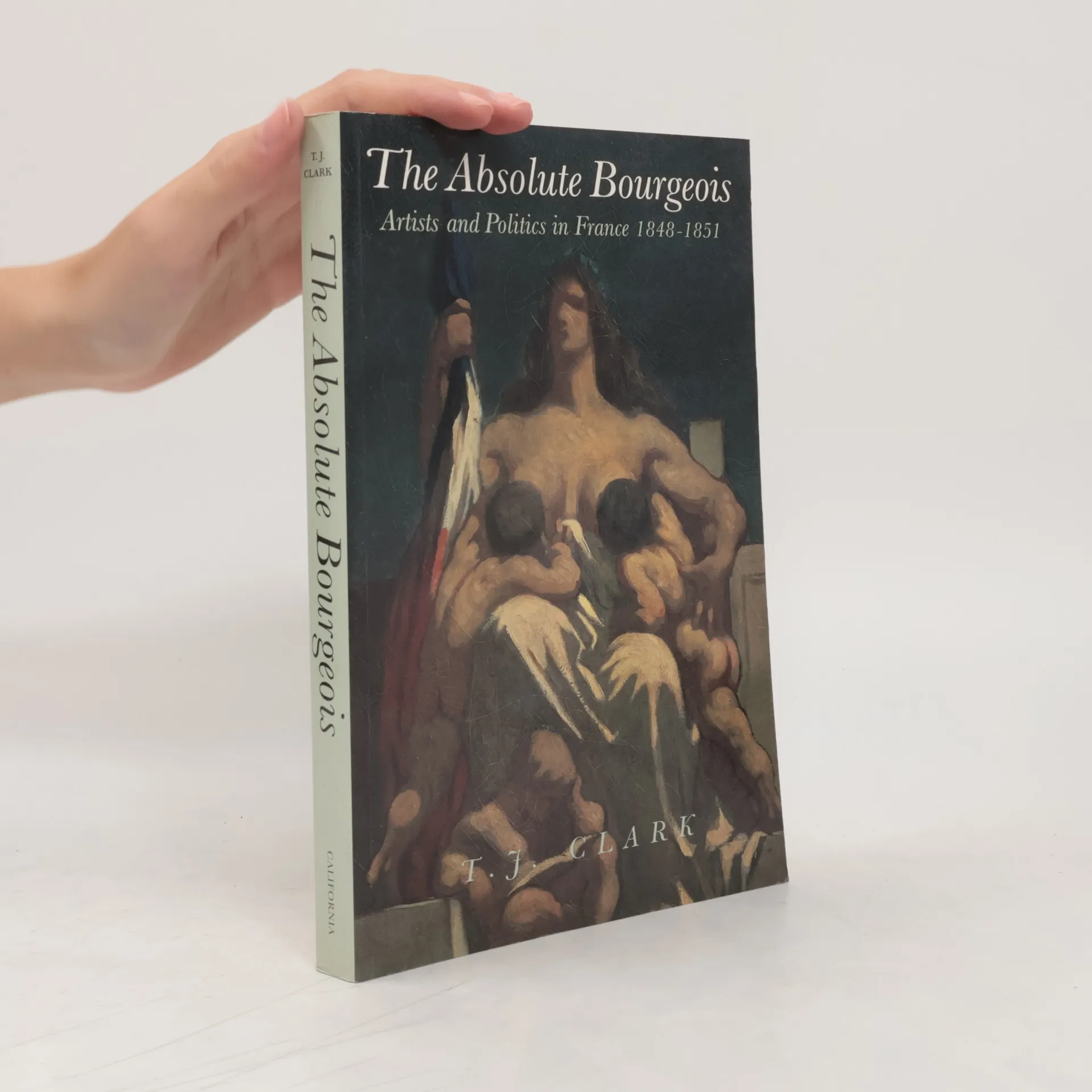
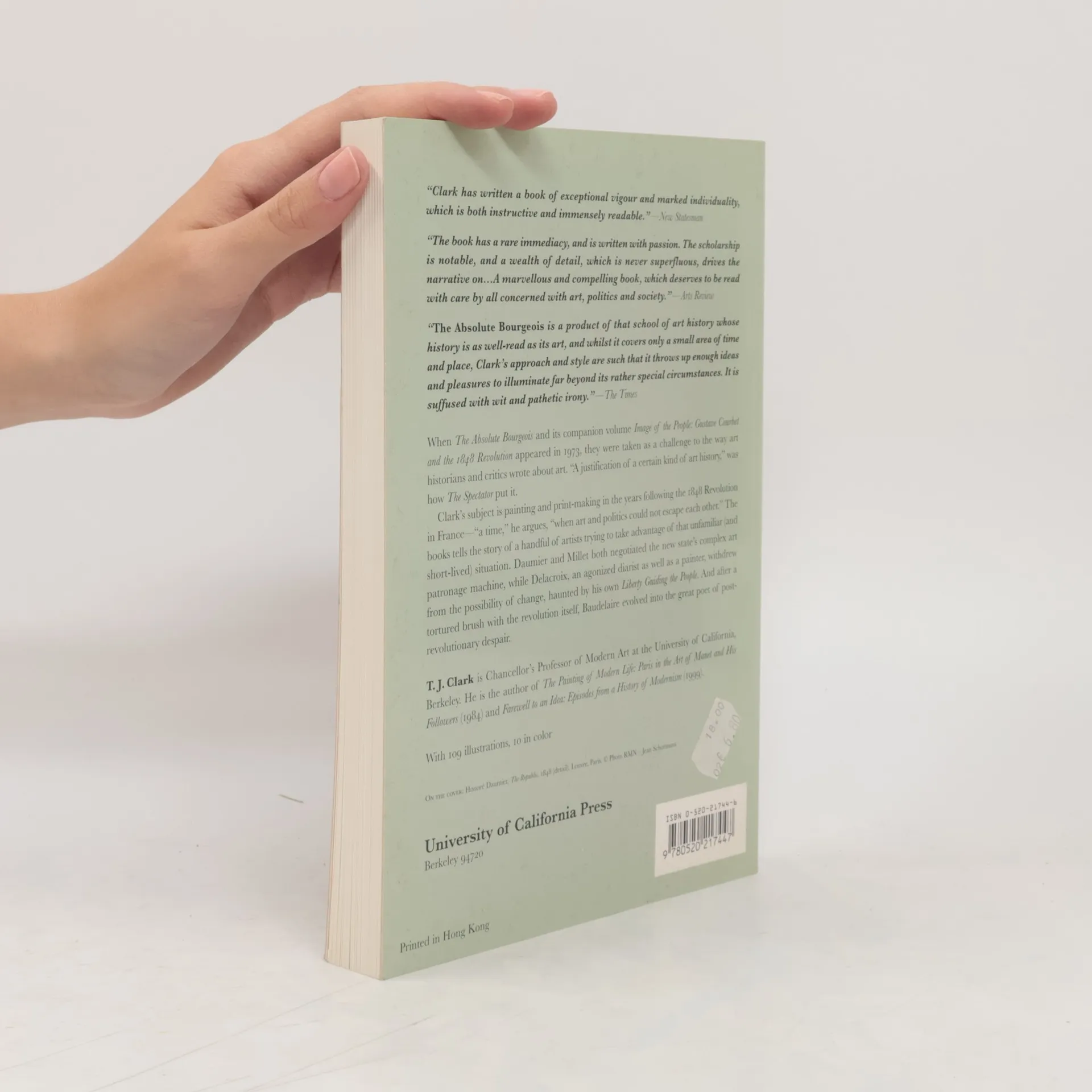
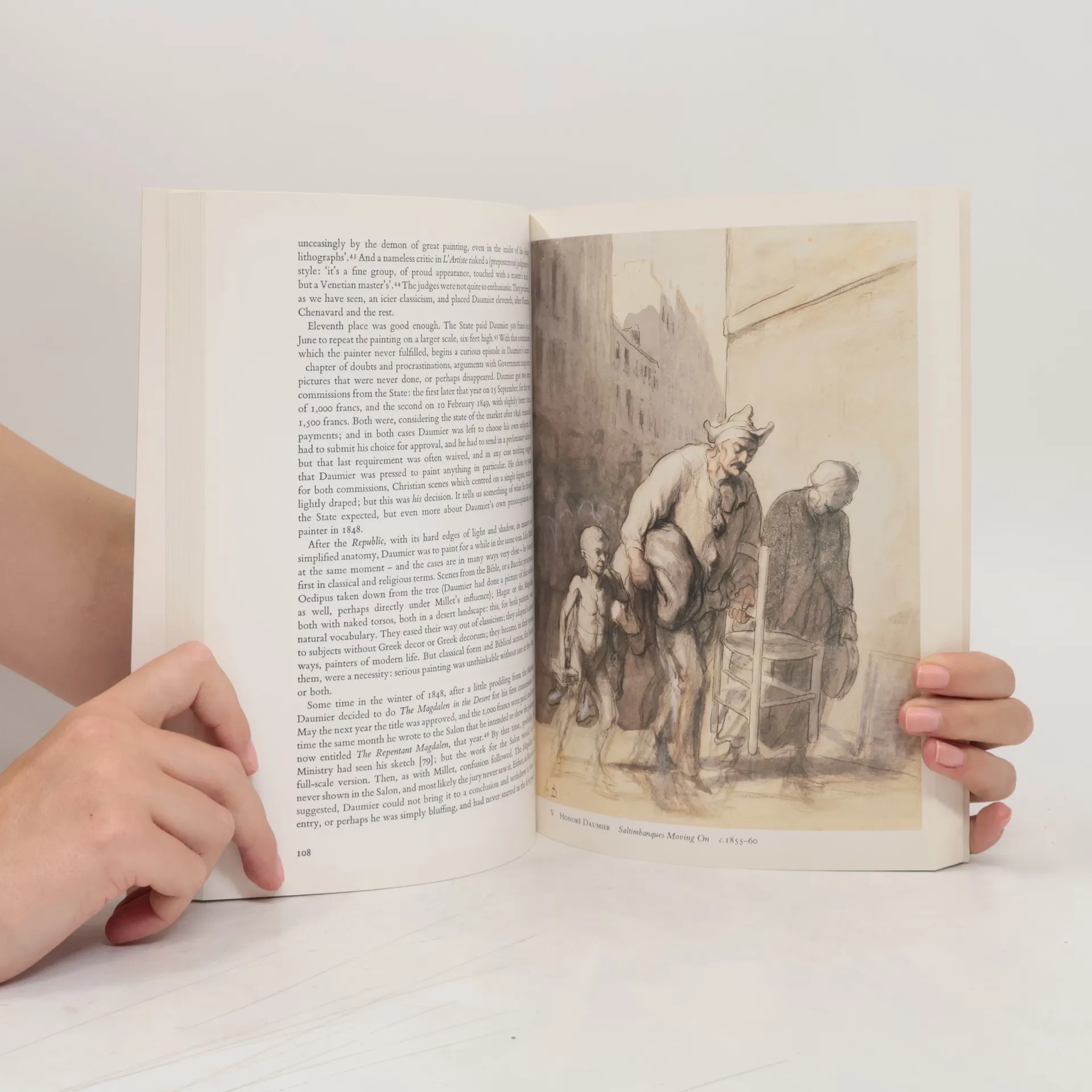
When this book and its companion volume, Image of the People , appeared in 1973, they were taken as a challenge to the way art was usually written about. "This book," said the Times , "is a product of that school of art history whose history is as well read as its art, and whilst it covers only a small area of time and place, Clark's approach and style are such that it throws up enough ideas and pleasures to illuminate far beyond its rather special circumstances. It is suffused with wit and pathetic irony."T. J. Clark's subject is painting and printmaking in the years following the 1848 Revolution in France, "a time", he argues, "when art and politics could not escape each other." The book tells the story of a handful of artists trying to take advantage of that unfamiliar—and short-lived—situation. Daumier and Millet are central, particularly in their dealings with the new State's art patronage machine; Delacroix figures as painter and diarist, in agonized withdrawal from the possibility of change, haunted by his own Liberty Guiding the People ; and Baudelaire is depicted, after a moment of tortured political involvement in the first months of the Republic, as the great poet of postrevolutionary despair.
Zakup książki
The Absolute Bourgeois, Timothy J. Clark
- Język

- Rok wydania
- 1999
- Oprawa
- (miękka)
Metody płatności
Brakuje nam tutaj Twojej recenzji.
- Tytuł
- The Absolute Bourgeois
- Podtytuł
- Artists and Politics in France, 1848-1851
- Język
- angielski
- Autorzy
- Timothy J. Clark
- Rok wydania
- 1999
- Oprawa
- miękka
- Liczba stron
- 224
- ISBN10
- 0520217446
- ISBN13
- 9780520217447
- Seria
- Kategorie
- Ocena
- 3,95 z 5
- Opis
- When this book and its companion volume, Image of the People , appeared in 1973, they were taken as a challenge to the way art was usually written about. "This book," said the Times , "is a product of that school of art history whose history is as well read as its art, and whilst it covers only a small area of time and place, Clark's approach and style are such that it throws up enough ideas and pleasures to illuminate far beyond its rather special circumstances. It is suffused with wit and pathetic irony."T. J. Clark's subject is painting and printmaking in the years following the 1848 Revolution in France, "a time", he argues, "when art and politics could not escape each other." The book tells the story of a handful of artists trying to take advantage of that unfamiliar—and short-lived—situation. Daumier and Millet are central, particularly in their dealings with the new State's art patronage machine; Delacroix figures as painter and diarist, in agonized withdrawal from the possibility of change, haunted by his own Liberty Guiding the People ; and Baudelaire is depicted, after a moment of tortured political involvement in the first months of the Republic, as the great poet of postrevolutionary despair.