



Więcej o książce
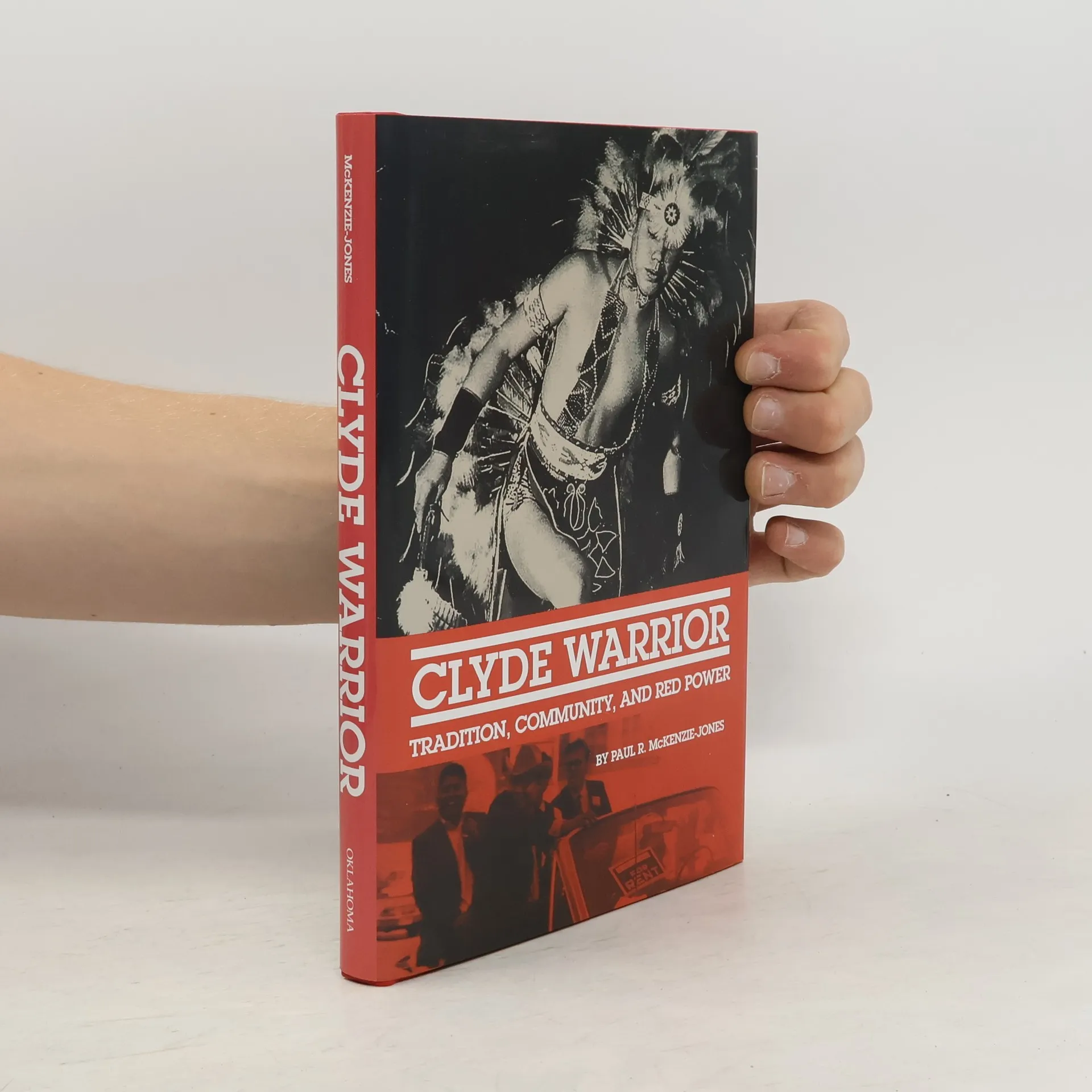
The phrase Red Power, coined by Clyde Warrior in the 1960s, introduced militant rhetoric into American Indian activism. In this first-ever biography of Warrior, historian Paul R. McKenzie-Jones portrays him as the architect of the Red Power movement, highlighting his significance in the fight for Indian rights. This movement emerged in response to centuries of federal oppression, encompassing grassroots organizations advocating for treaty rights, tribal sovereignty, self-determination, and cultural preservation. As a cofounder of the National Indian Youth Council, Warrior became a prominent spokesperson, leading a cultural and political reawakening in Indian Country through ultranationalistic rhetoric and direct-action protests. McKenzie-Jones utilizes interviews with Warrior’s associates to explore the complexities of community, tradition, culture, and tribal identity that influenced his activism. Despite his untimely death at twenty-nine overshadowing his legacy, McKenzie-Jones reveals previously unchronicled connections between Red Power and Black Power, illustrating their simultaneous emergence as urgent calls for social change. Warrior, descended from hereditary chiefs, was deeply rooted in Ponca history and language, and his experiences shaped his intertribal approach to Indian affairs. This biography examines how Warrior’s dedication to culture and community laid the foundation for his vision of Red Power.
Zakup książki
Clyde Warrior, Paul R. McKenzie-Jones
- Język

- Rok wydania
- 2015
- Oprawa
- (twarda)
Metody płatności
Brakuje nam tutaj Twojej recenzji.
- Tytuł
- Clyde Warrior
- Podtytuł
- Tradition, Community, and Red Power
- Język
- angielski
- Autorzy
- Paul R. McKenzie-Jones
- Wydawca
- University of Oklahoma Press
- Rok wydania
- 2015
- Oprawa
- twarda
- Liczba stron
- 258
- ISBN10
- 0806147059
- ISBN13
- 9780806147055
- Ocena
- 3,75 z 5
- Opis
- The phrase Red Power, coined by Clyde Warrior in the 1960s, introduced militant rhetoric into American Indian activism. In this first-ever biography of Warrior, historian Paul R. McKenzie-Jones portrays him as the architect of the Red Power movement, highlighting his significance in the fight for Indian rights. This movement emerged in response to centuries of federal oppression, encompassing grassroots organizations advocating for treaty rights, tribal sovereignty, self-determination, and cultural preservation. As a cofounder of the National Indian Youth Council, Warrior became a prominent spokesperson, leading a cultural and political reawakening in Indian Country through ultranationalistic rhetoric and direct-action protests. McKenzie-Jones utilizes interviews with Warrior’s associates to explore the complexities of community, tradition, culture, and tribal identity that influenced his activism. Despite his untimely death at twenty-nine overshadowing his legacy, McKenzie-Jones reveals previously unchronicled connections between Red Power and Black Power, illustrating their simultaneous emergence as urgent calls for social change. Warrior, descended from hereditary chiefs, was deeply rooted in Ponca history and language, and his experiences shaped his intertribal approach to Indian affairs. This biography examines how Warrior’s dedication to culture and community laid the foundation for his vision of Red Power.