



Więcej o książce
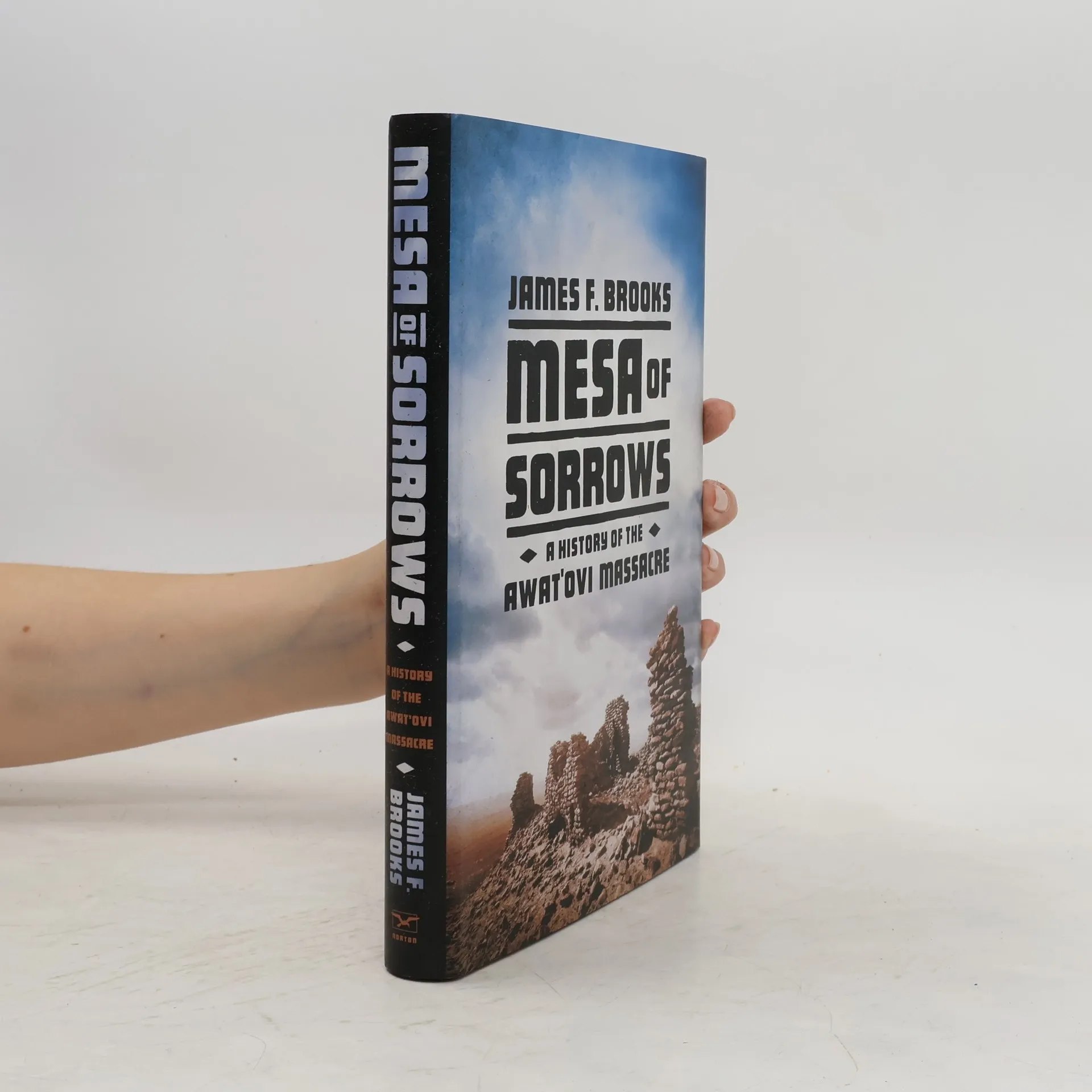
The Hopi community of Awat’ovi thrived on Arizona’s Antelope Mesa until a tragic morning in the fall of 1700, when raiders from nearby villages attacked, killing many. Although little of the pueblo remains, centuries of history lie beneath the sandstone. Awat’ovi, known for its martial strength, served as a gateway to the Hopi landscape. The motivations behind the attack on this community remain a mystery. Drawing on oral traditions, archival accounts, and archaeological research, James Brooks uncovers the layers of this complex story. The narrative unfolds like an archaeological expedition, revealing evidence and theories shaped by academic, religious, and tribal politics. Brooks examines why some, primarily women, were spared and taken captive, while others were sacrificed. He explores theories suggesting the attack was retribution for welcoming Franciscan missionaries or linked to accusations of sorcery. Ultimately, he argues that a combination of internal and external crises reignited a cycle of violence and purification. This haunting account of a massacre serves as a profound exploration of how societies grapple with painful histories and the ongoing impact of communal violence.
Zakup książki
Mesa of Sorrows, James F. Brooks
- Język

- Rok wydania
- 2016
- Oprawa
- (twarda)
Metody płatności
Brakuje nam tutaj Twojej recenzji.
- Tytuł
- Mesa of Sorrows
- Podtytuł
- A History of the Awat'ovi Massacre
- Język
- angielski
- Autorzy
- James F. Brooks
- Wydawca
- W. W. Norton & Company
- Rok wydania
- 2016
- Oprawa
- twarda
- Liczba stron
- 288
- ISBN10
- 0393061256
- ISBN13
- 9780393061253
- Seria
- Ocena
- 3,4 z 5
- Opis
- The Hopi community of Awat’ovi thrived on Arizona’s Antelope Mesa until a tragic morning in the fall of 1700, when raiders from nearby villages attacked, killing many. Although little of the pueblo remains, centuries of history lie beneath the sandstone. Awat’ovi, known for its martial strength, served as a gateway to the Hopi landscape. The motivations behind the attack on this community remain a mystery. Drawing on oral traditions, archival accounts, and archaeological research, James Brooks uncovers the layers of this complex story. The narrative unfolds like an archaeological expedition, revealing evidence and theories shaped by academic, religious, and tribal politics. Brooks examines why some, primarily women, were spared and taken captive, while others were sacrificed. He explores theories suggesting the attack was retribution for welcoming Franciscan missionaries or linked to accusations of sorcery. Ultimately, he argues that a combination of internal and external crises reignited a cycle of violence and purification. This haunting account of a massacre serves as a profound exploration of how societies grapple with painful histories and the ongoing impact of communal violence.