


Parametry
- 384 strony
- 14 godzin czytania
Więcej o książce
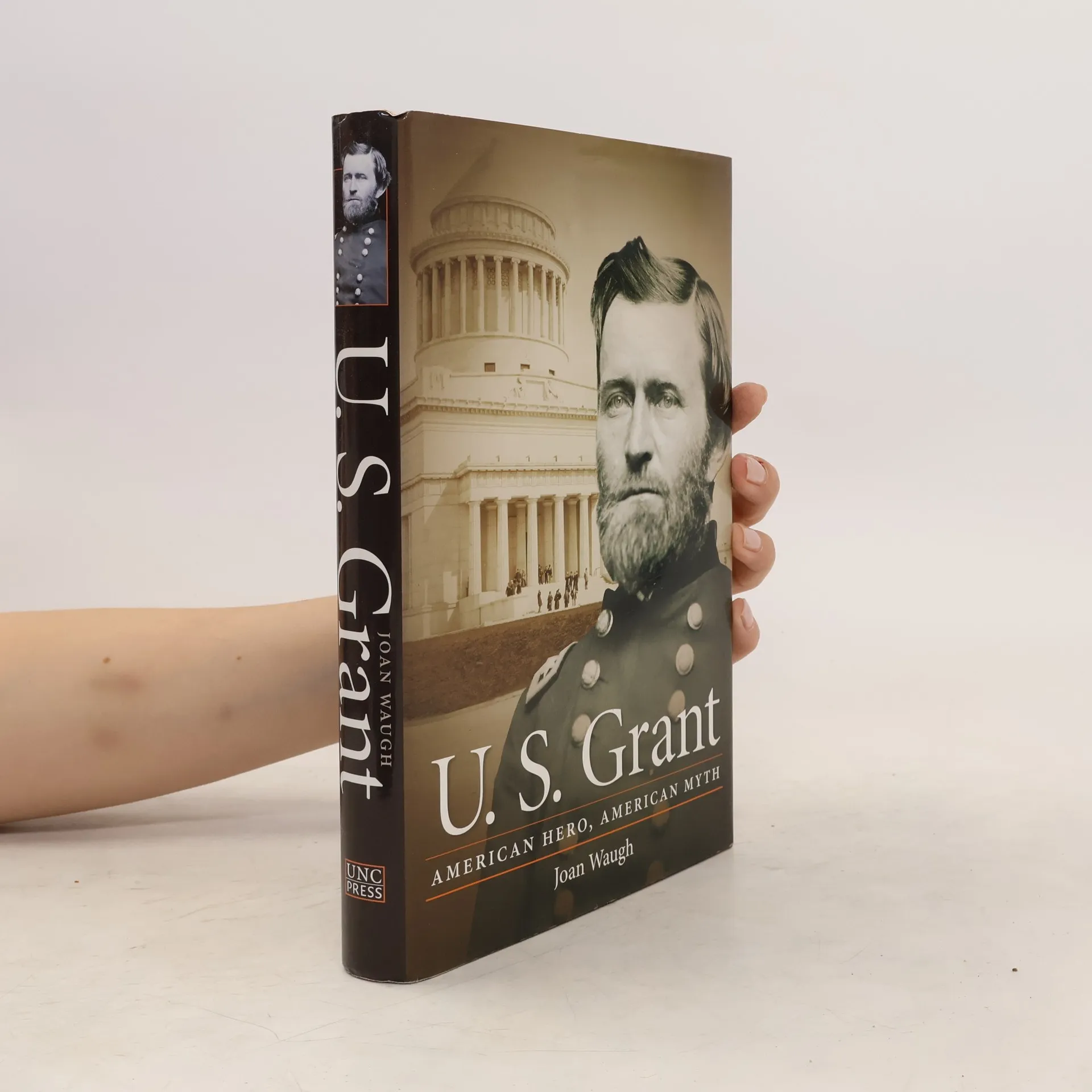
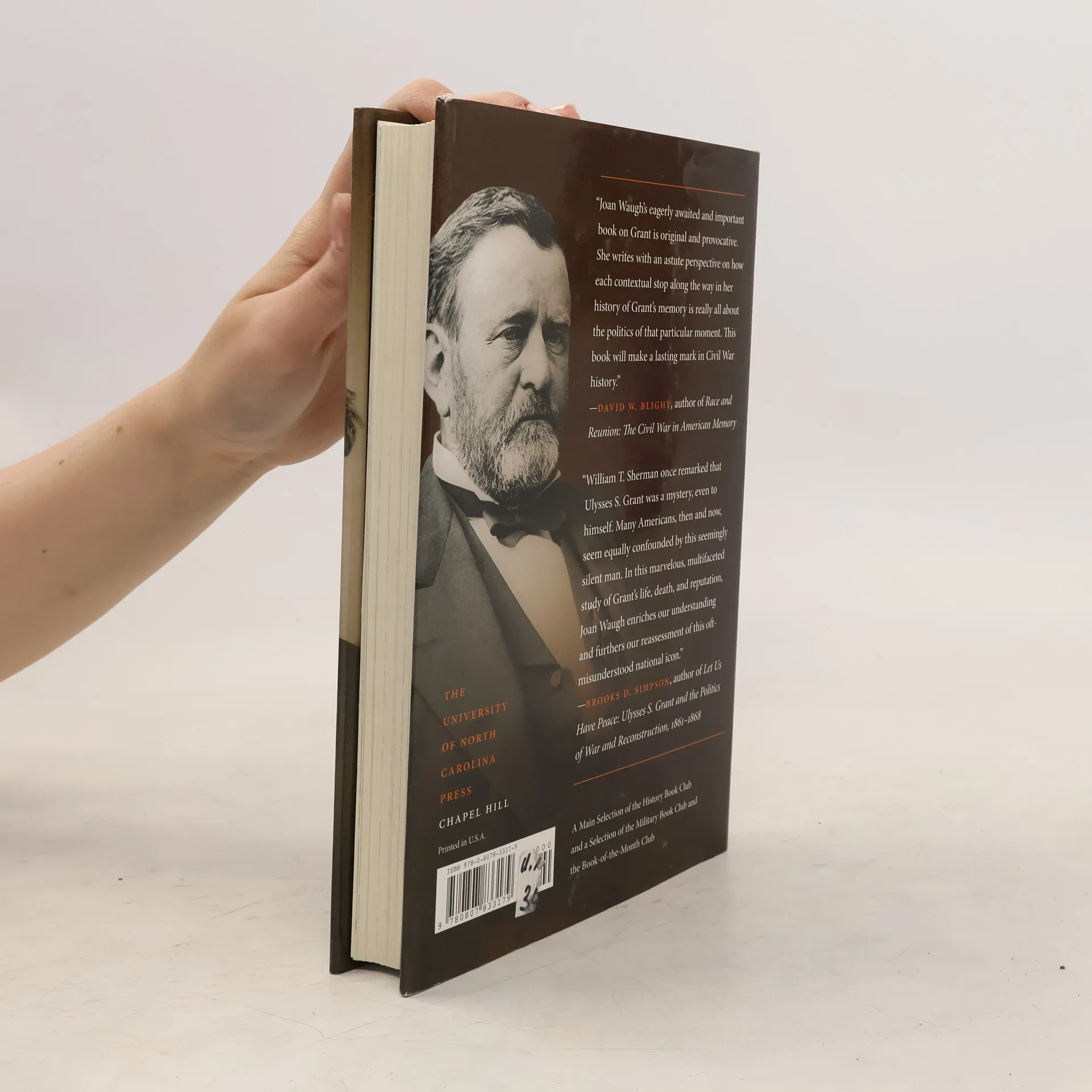
At the time of his death, Ulysses S. Grant was the most famous person in America, considered by most citizens to be equal in stature to George Washington and Abraham Lincoln. Yet today his monuments are rarely visited, his military reputation is overshadowed by that of Robert E. Lee, and his presidency is permanently mired at the bottom of historical rankings.In an insightful blend of biography and cultural history, Joan Waugh traces Grant's shifting national and international reputation, illuminating the role of memory in our understanding of American history. She captures a sense of what led nineteenth-century Americans to overlook Grant's obvious faults and hold him up as a critically important symbol of national reconciliation and unity. Waugh further shows that Grant's reputation and place in public memory closely parallel the rise and fall of the northern version of the Civil War story — in which the United States was the clear, morally superior victor and Grant was
Zakup książki
U. S. Grant, Joan Waugh
- Język

- Rok wydania
- 2009
- Oprawa
- (twarda)
Metody płatności
Brakuje nam tutaj Twojej recenzji.
- Tytuł
- U. S. Grant
- Podtytuł
- American Hero, American Myth
- Język
- angielski
- Autorzy
- Joan Waugh
- Rok wydania
- 2009
- Oprawa
- twarda
- Liczba stron
- 384
- ISBN10
- 0807833177
- ISBN13
- 9780807833179
- Seria
- Kategorie
- Ocena
- 4,05 z 5
- Opis
- At the time of his death, Ulysses S. Grant was the most famous person in America, considered by most citizens to be equal in stature to George Washington and Abraham Lincoln. Yet today his monuments are rarely visited, his military reputation is overshadowed by that of Robert E. Lee, and his presidency is permanently mired at the bottom of historical rankings.In an insightful blend of biography and cultural history, Joan Waugh traces Grant's shifting national and international reputation, illuminating the role of memory in our understanding of American history. She captures a sense of what led nineteenth-century Americans to overlook Grant's obvious faults and hold him up as a critically important symbol of national reconciliation and unity. Waugh further shows that Grant's reputation and place in public memory closely parallel the rise and fall of the northern version of the Civil War story — in which the United States was the clear, morally superior victor and Grant was