

Parametry
- 289 stron
- 11 godzin czytania
Więcej o książce
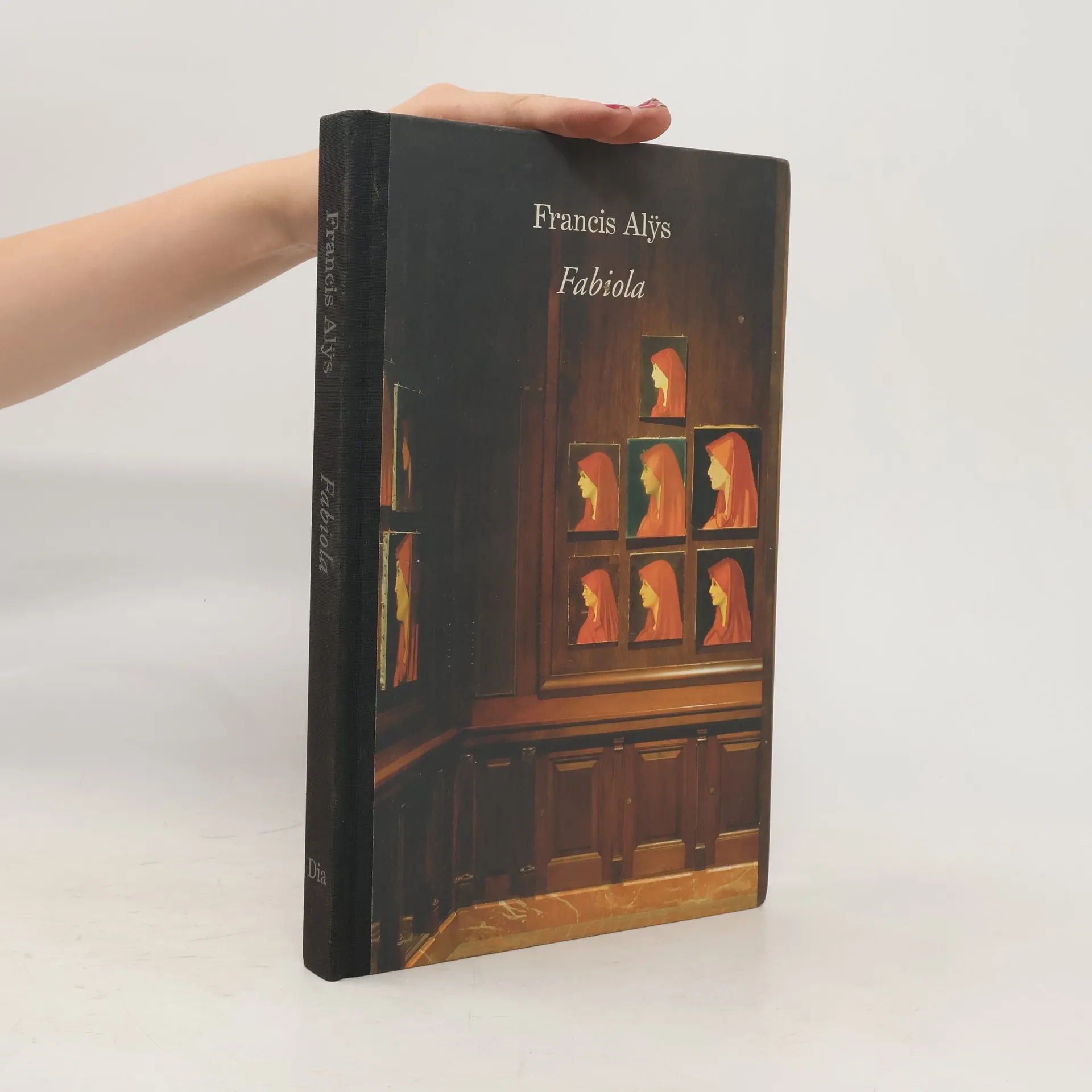
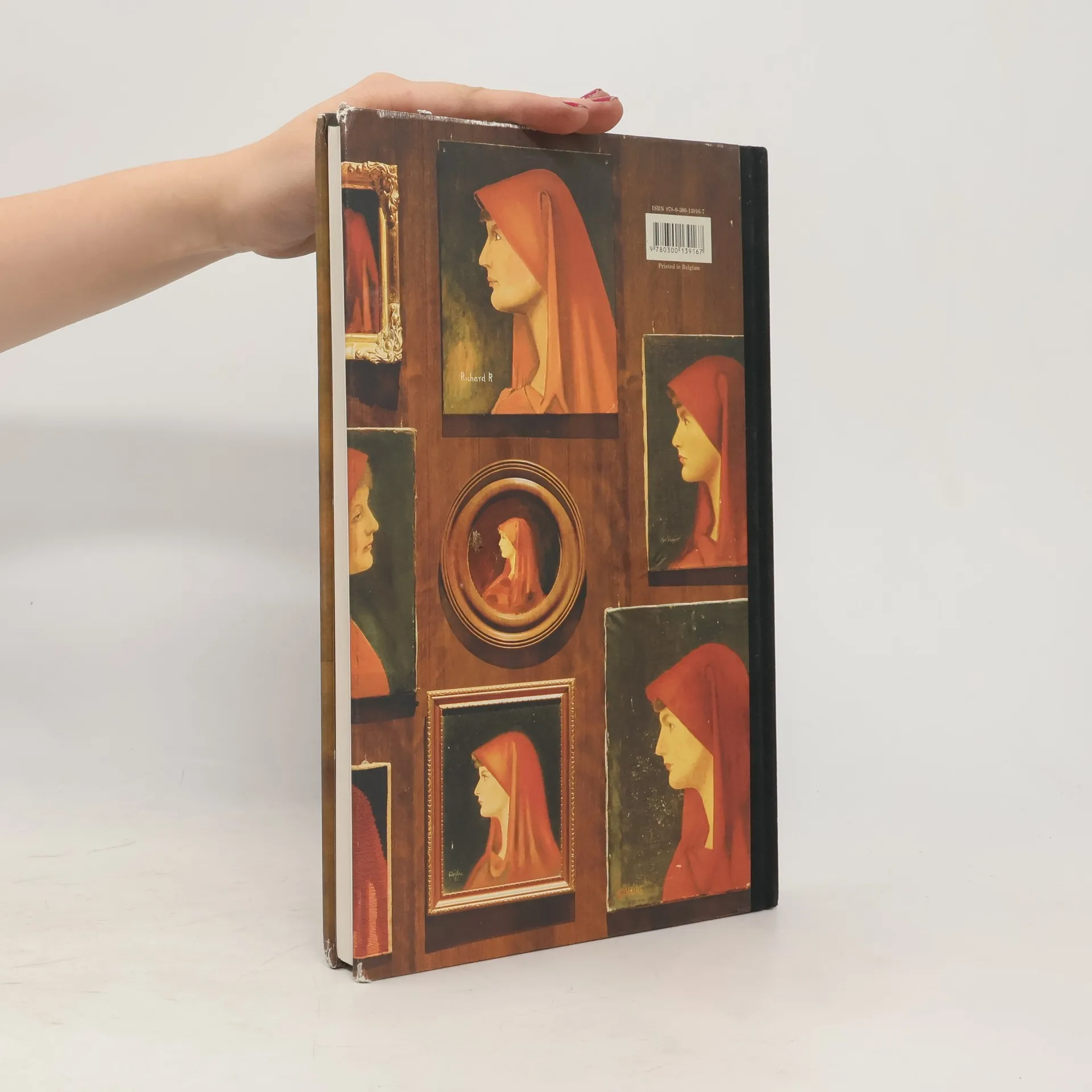
Mexico City–based artist Francis Alÿs (b. 1959) has assembled a group of paintings depicting Saint Fabiola, a 4th-century saint who gave up all earthly possessions and devoted herself to the practice of Christian asceticism. All of the pictures in the collection are based on an original work—now lost—by the 19th-century French artist Jean-Jacques Henner. Alÿs's collection of Fabiola portraits, numbering in the hundreds and painted by amateurs and professionals alike, is the focus of this intriguing book. Not only does it examine the artist’s exploration of collecting practices, but the publication also offers an unusual window into aesthetic, sociological, and anthropological values of the past century. In addition to cataloguing each of the Fabiola works, the book includes Saint Jerome’s eulogy for Fabiola (the primary source for Fabiola’s biography), followed by an interpretive text on evolving hagiographies and saints’ vitae, an analysis of the role of iconographic imagery in the practice of Catholicism, and art historical essays that focus on Alÿs’s practice.
Zakup książki
Fabiola, Francis Alÿs
- Język

- Rok wydania
- 2008
- Oprawa
- (twarda)
Metody płatności
Brakuje nam tutaj Twojej recenzji.
- Tytuł
- Fabiola
- Język
- angielski
- Autorzy
- Francis Alÿs
- Wydawca
- Dia Art Foundation
- Rok wydania
- 2008
- Oprawa
- twarda
- Liczba stron
- 289
- ISBN10
- 0300139160
- ISBN13
- 9780300139167
- Seria
- Kategorie
- Tagi
- Literatura światowa, Tematy religijne, Tematyka filozoficzna, Historia sztuki, Literatura chrześcijańska
- Ocena
- 4,5 z 5
- Opis
- Mexico City–based artist Francis Alÿs (b. 1959) has assembled a group of paintings depicting Saint Fabiola, a 4th-century saint who gave up all earthly possessions and devoted herself to the practice of Christian asceticism. All of the pictures in the collection are based on an original work—now lost—by the 19th-century French artist Jean-Jacques Henner. Alÿs's collection of Fabiola portraits, numbering in the hundreds and painted by amateurs and professionals alike, is the focus of this intriguing book. Not only does it examine the artist’s exploration of collecting practices, but the publication also offers an unusual window into aesthetic, sociological, and anthropological values of the past century. In addition to cataloguing each of the Fabiola works, the book includes Saint Jerome’s eulogy for Fabiola (the primary source for Fabiola’s biography), followed by an interpretive text on evolving hagiographies and saints’ vitae, an analysis of the role of iconographic imagery in the practice of Catholicism, and art historical essays that focus on Alÿs’s practice.