

Więcej o książce
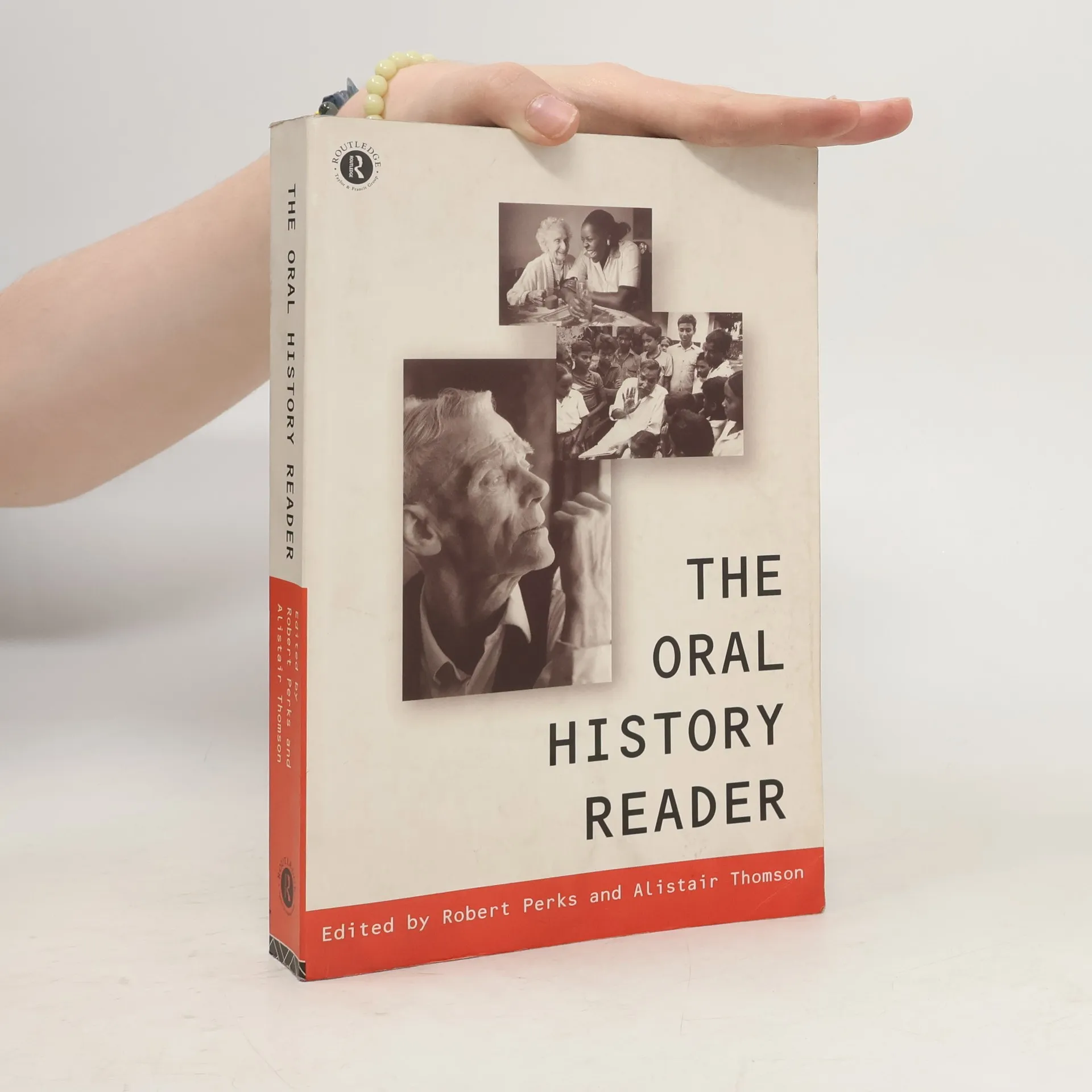
The Oral History Reader edited by Robert Perks and Alistair Thomson, is an international anthology of the key writings about the theory, method and use of oral history. Arranged in five thematic sections, The Oral History Reader details issues in the theory and practice of oral history. The collection covers key debates in the postwar development of oral history including: * problems posed by interviewing * discussions of the politics of empowerment * analytical strategies for interpreting memories * concerns of archiving, practice, ethics and interpretation. Each section contains an introduction which contextualises the selection by reviewing key isssues and relevant literature. Extensive cross-referencing and indexing provides an aid to research and a crucial comparative dimension. This comprehensive volume illustrates similarities and differences in oral history work from around the world, with examples from North America, Britain, Australasia, Continental Europe, Latin America and Africa. It also details the subjects - such as labour history, women's history, gay and lesbian history, ethnic and indigenous people's history and disability history - to which oral history has made a significant contribution.
Zakup książki
The Oral History Reader, Robert Perks, Alistair Thomson
- Język

- Rok wydania
- 1998
- Oprawa
- (miękka)
Metody płatności
Brakuje nam tutaj Twojej recenzji.
- Tytuł
- The Oral History Reader
- Język
- angielski
- Autorzy
- Robert Perks, Alistair Thomson
- Wydawca
- Routledge
- Rok wydania
- 1998
- Oprawa
- miękka
- Liczba stron
- 494
- ISBN10
- 0415133521
- ISBN13
- 9780415133524
- Ocena
- 3,85 z 5
- Opis
- The Oral History Reader edited by Robert Perks and Alistair Thomson, is an international anthology of the key writings about the theory, method and use of oral history. Arranged in five thematic sections, The Oral History Reader details issues in the theory and practice of oral history. The collection covers key debates in the postwar development of oral history including: * problems posed by interviewing * discussions of the politics of empowerment * analytical strategies for interpreting memories * concerns of archiving, practice, ethics and interpretation. Each section contains an introduction which contextualises the selection by reviewing key isssues and relevant literature. Extensive cross-referencing and indexing provides an aid to research and a crucial comparative dimension. This comprehensive volume illustrates similarities and differences in oral history work from around the world, with examples from North America, Britain, Australasia, Continental Europe, Latin America and Africa. It also details the subjects - such as labour history, women's history, gay and lesbian history, ethnic and indigenous people's history and disability history - to which oral history has made a significant contribution.