

Więcej o książce
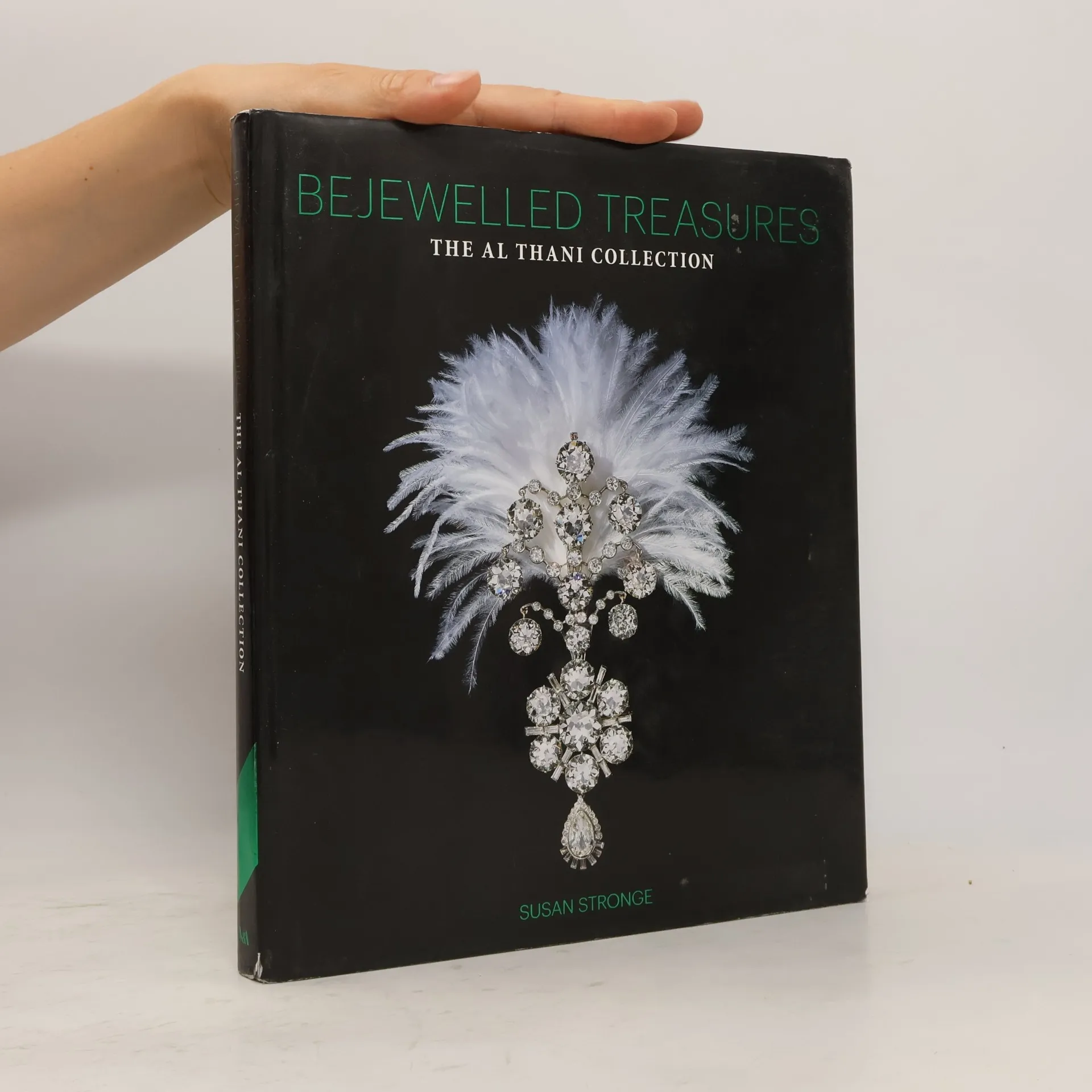
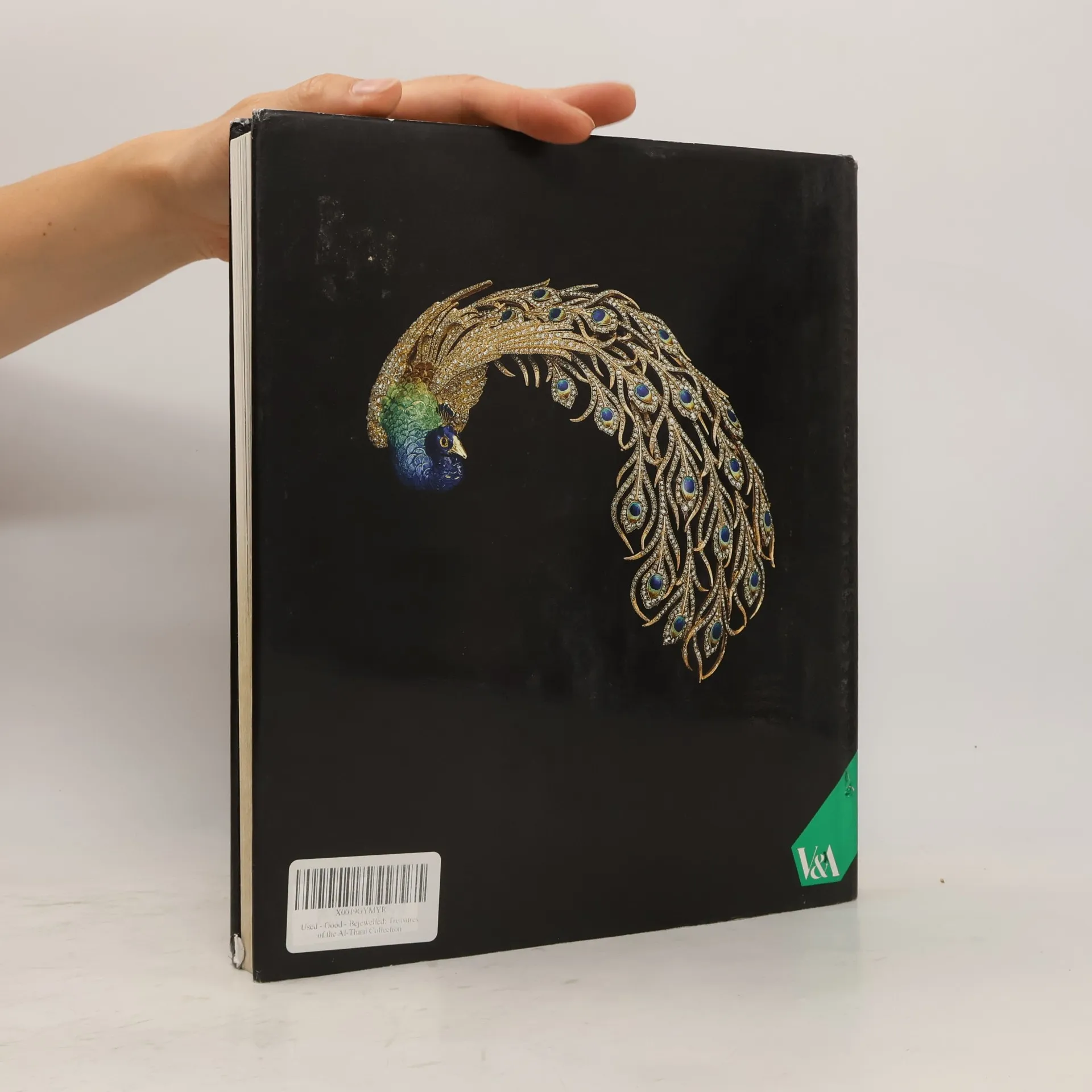
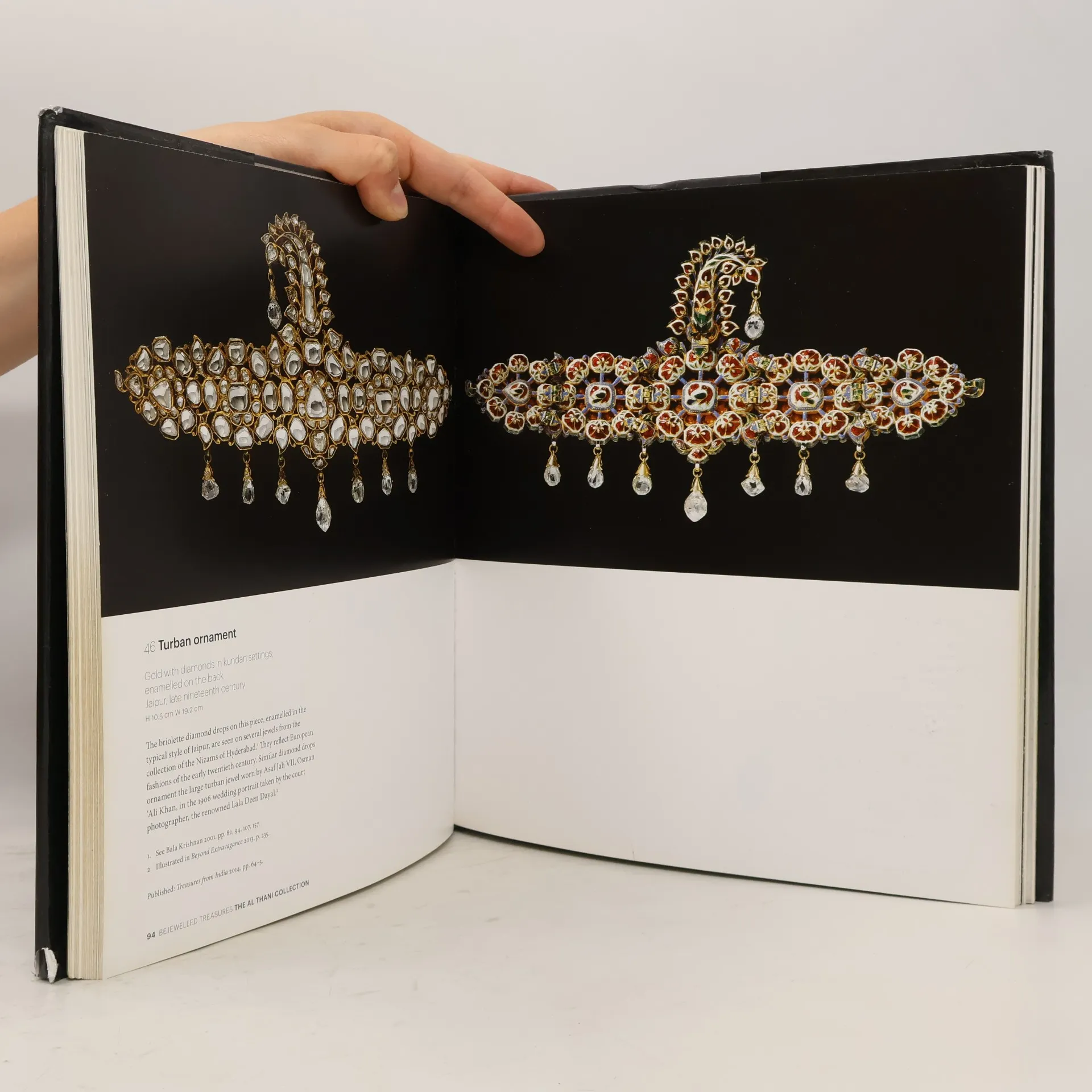
This sumptuous book invites readers to examine in exquisite detail some of the world’s finest and rarest examples of Indian jewelry from one of the world’s preeminent collections, objects once owned by the great maharajas, nizams, sultans, and emperors of India from the 17th to the 20th century. Highlights include a rare gold finial from the throne of Tipu Sultan (1750–1799), inlaid with diamonds, rubies, and emeralds and in the shape of a tiger’s head, and a dagger with a stunningly carved jade hilt and a watered steel blade inlaid with gold owned by Shah Jahan. Other pieces reveal the dramatic changes that took place in Indian jewelry design during the early 20th century. This glorious book also examines the influence that India itself had on avant-garde European jewelry made by Cartier and other leading houses and concludes with contemporary pieces made by JAR and Viren Bhagat of Mumbai, which are inspired by a creative fusion of Mughal motifs and art deco “Indian” designs.
Zakup książki
The Al-Thani Collection: Bejewelled Treasures, Susan Stronge
- Język

- Rok wydania
- 2015
- Oprawa
- (twarda)
Metody płatności
Brakuje nam tutaj Twojej recenzji.
- Tytuł
- The Al-Thani Collection: Bejewelled Treasures
- Podtytuł
- The Al-Thani Collection
- Język
- angielski
- Autorzy
- Susan Stronge
- Wydawca
- V & A Publishing
- Rok wydania
- 2015
- Oprawa
- twarda
- Liczba stron
- 128
- ISBN10
- 1851778578
- ISBN13
- 9781851778577
- Seria
- Tagi
- Antyki
- Ocena
- 4,5 z 5
- Opis
- This sumptuous book invites readers to examine in exquisite detail some of the world’s finest and rarest examples of Indian jewelry from one of the world’s preeminent collections, objects once owned by the great maharajas, nizams, sultans, and emperors of India from the 17th to the 20th century. Highlights include a rare gold finial from the throne of Tipu Sultan (1750–1799), inlaid with diamonds, rubies, and emeralds and in the shape of a tiger’s head, and a dagger with a stunningly carved jade hilt and a watered steel blade inlaid with gold owned by Shah Jahan. Other pieces reveal the dramatic changes that took place in Indian jewelry design during the early 20th century. This glorious book also examines the influence that India itself had on avant-garde European jewelry made by Cartier and other leading houses and concludes with contemporary pieces made by JAR and Viren Bhagat of Mumbai, which are inspired by a creative fusion of Mughal motifs and art deco “Indian” designs.