


Więcej o książce
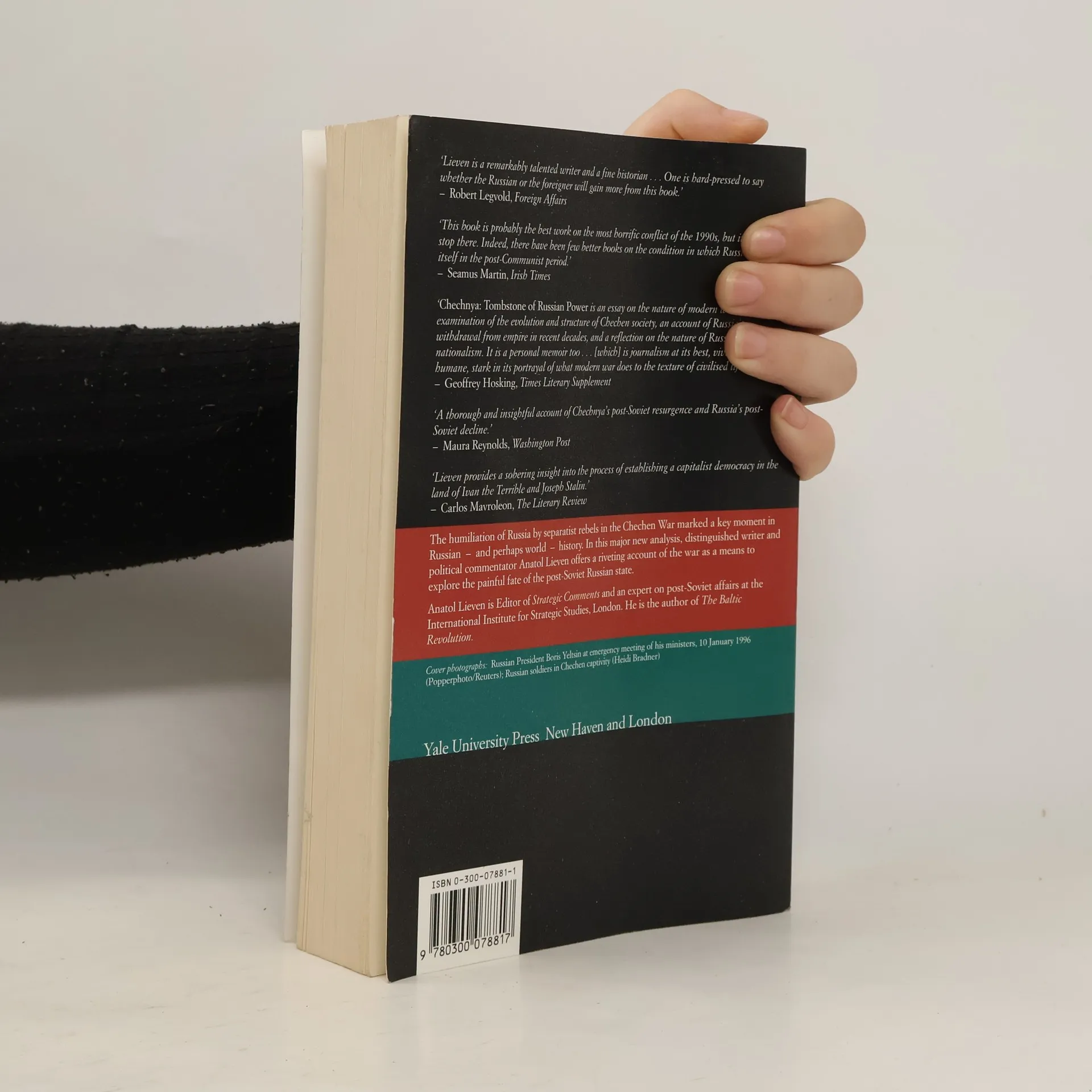
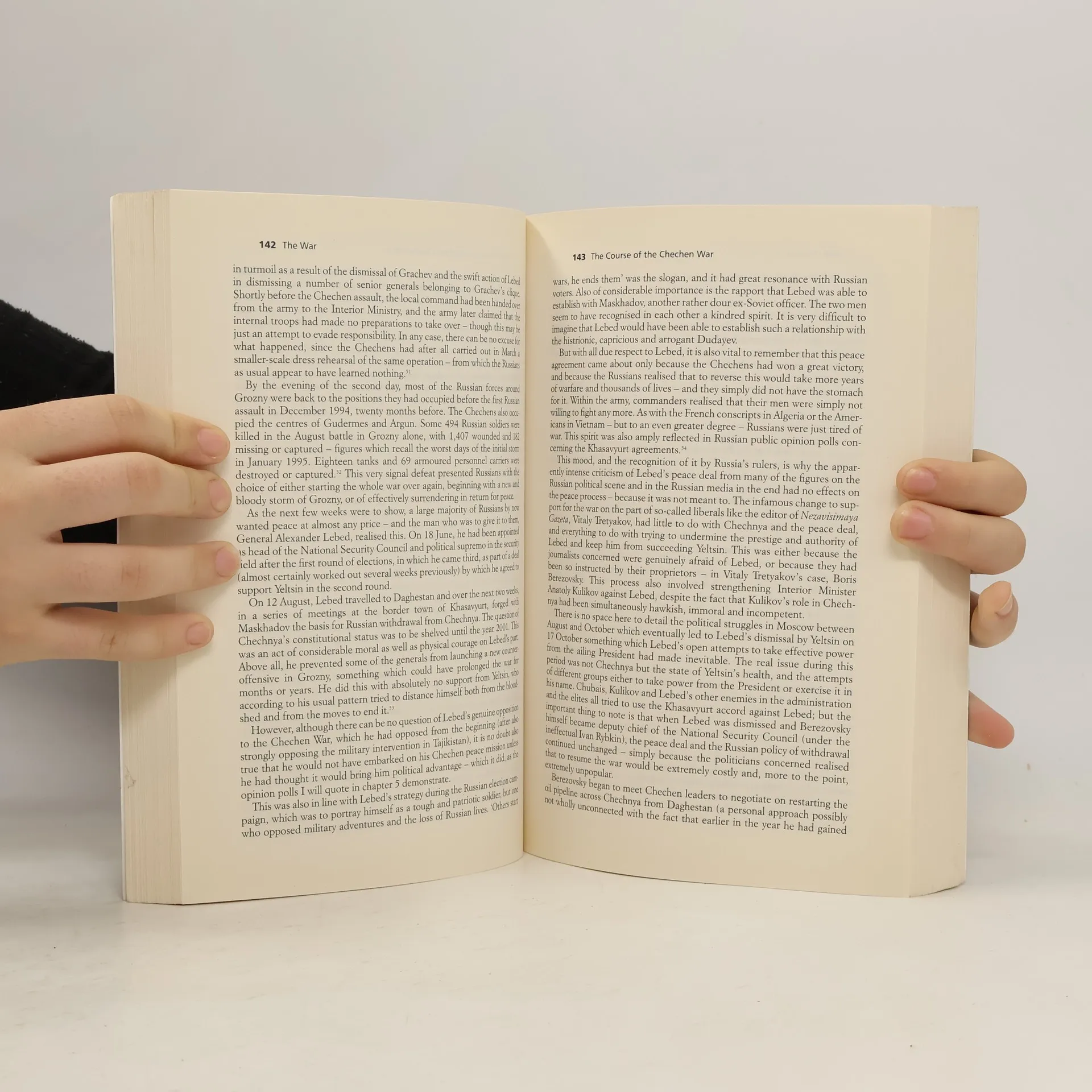
The war between Russia and Chechen separatist forces from December 1994 to August 1996 marked a pivotal moment in Russian and global history, highlighting the decline of Russia as a military power. Anatol Lieven, a prominent writer and political commentator, served as a correspondent for the London Times in the former Soviet Union during this period and received accolades for his coverage of the conflict. In this significant work, Lieven contextualizes Russia's defeat by a small group of disorganized guerrillas, providing a compelling eyewitness account alongside a nuanced analysis of the reasons behind the Russian failure. He challenges simplistic Western stereotypes by showcasing the complexities of Russian society and culture today, while also addressing the current fragility of Russian nationalism both domestically and among the diaspora. The latter part of the book delves into Chechen traditions, offering the first comprehensive anthropological portrait of this remarkable fighting people in English. Lieven's exploration of the Chechen nation contributes to the ongoing discourse between "constructivist" and "primordialist" theories of nationalism, examining how historical experiences and religion shape national identity.
Zakup książki
Chechnya, Anatol Lieven
- Język

- Rok wydania
- 1999
- Oprawa
- (miękka)
Metody płatności
Brakuje nam tutaj Twojej recenzji.
- Tytuł
- Chechnya
- Podtytuł
- Tombstone of Russian Power - New Edition
- Język
- angielski
- Autorzy
- Anatol Lieven
- Wydawca
- Yale University Press
- Rok wydania
- 1999
- Oprawa
- miękka
- Liczba stron
- 436
- ISBN10
- 0300078811
- ISBN13
- 9780300078817
- Seria
- Kategorie
- Ocena
- 3,9 z 5
- Opis
- The war between Russia and Chechen separatist forces from December 1994 to August 1996 marked a pivotal moment in Russian and global history, highlighting the decline of Russia as a military power. Anatol Lieven, a prominent writer and political commentator, served as a correspondent for the London Times in the former Soviet Union during this period and received accolades for his coverage of the conflict. In this significant work, Lieven contextualizes Russia's defeat by a small group of disorganized guerrillas, providing a compelling eyewitness account alongside a nuanced analysis of the reasons behind the Russian failure. He challenges simplistic Western stereotypes by showcasing the complexities of Russian society and culture today, while also addressing the current fragility of Russian nationalism both domestically and among the diaspora. The latter part of the book delves into Chechen traditions, offering the first comprehensive anthropological portrait of this remarkable fighting people in English. Lieven's exploration of the Chechen nation contributes to the ongoing discourse between "constructivist" and "primordialist" theories of nationalism, examining how historical experiences and religion shape national identity.