

Więcej o książce
In 1973, the American Psychiatric Association decided to omit homosexuality as a diagnostic category, largely influenced by personal stories from gay men who found happiness through acceptance of their identities. Two decades later, Dr. Joseph Nicolosi presents a contrasting perspective through the testimonies of homosexual men who, after struggling with their gay identities, found relief through psychotherapy aimed at overcoming homosexuality. Nicolosi shares the narratives of eight men, each representing different personalities from his twelve years of treating over 200 clients. These men face a dual battle: an internal struggle against unwanted desires and an external conflict with a culture that often misunderstands their experiences. Their stories reveal efforts to forge healthy, non-erotic male friendships and express feelings of fear and anger towards significant male figures in their lives, especially their fathers. Nicolosi suggests that these clients embody traits found in many men, such as frailty, integrity, rage, narcissism, and ambivalence. The book's directive style reflects Nicolosi's approach to therapy, which requires an engaged therapist who actively challenges clients while providing warm support, moving away from traditional, detached analysis to foster a father-son dynamic.
Zakup książki
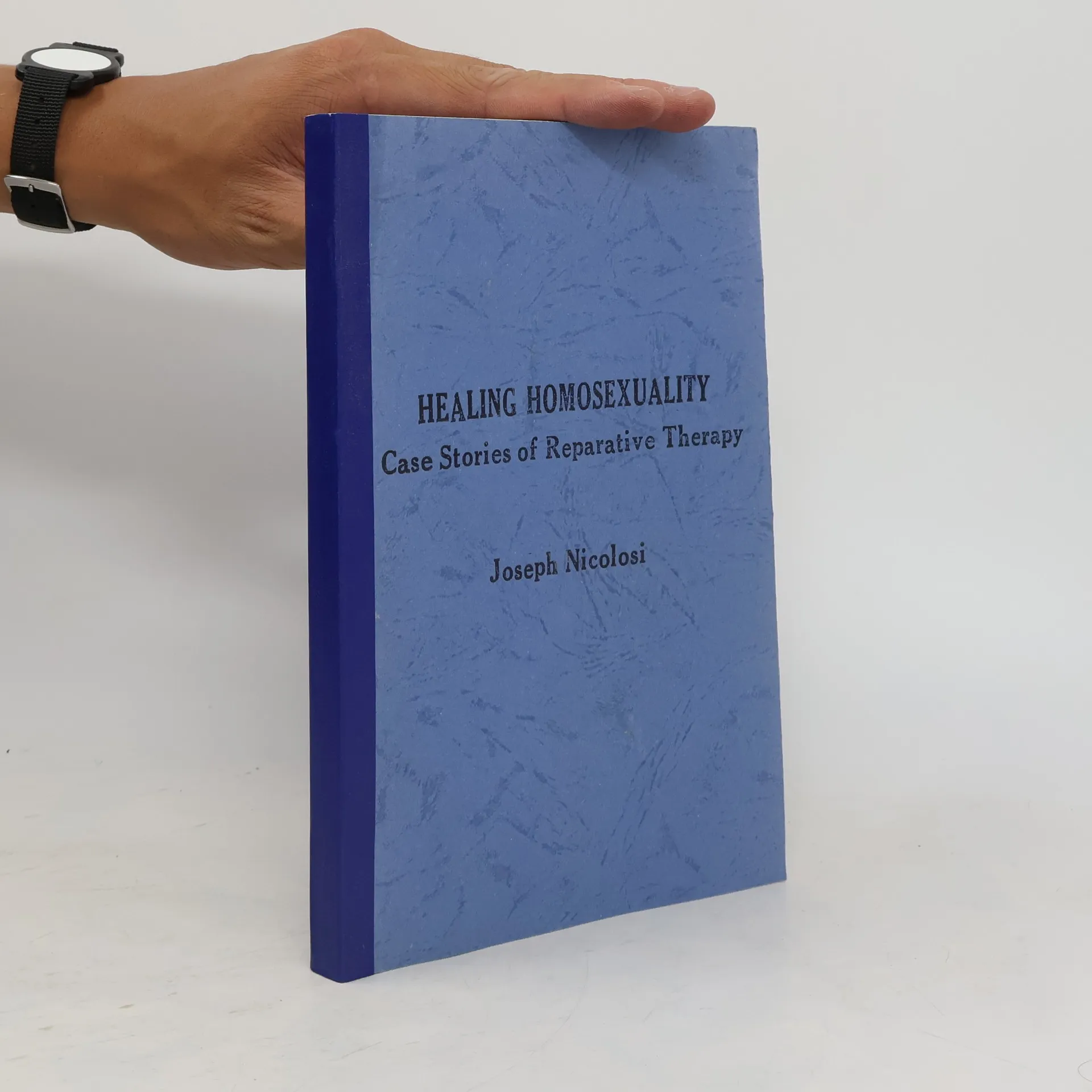
Healing Homosexuality, Joseph Nicolosi
- Język

- Rok wydania
- 1997
- Oprawa
- (miękka)
Metody płatności
Brakuje nam tutaj Twojej recenzji.
- Tytuł
- Healing Homosexuality
- Podtytuł
- Case Stories of Reparative Therapy
- Język
- angielski
- Autorzy
- Joseph Nicolosi
- Wydawca
- Jason Aronson
- Rok wydania
- 1997
- Oprawa
- miękka
- Liczba stron
- 240
- ISBN10
- 0765701448
- ISBN13
- 9780765701442
- Seria
- Tagi
- LGBTQ+
- Ocena
- 2,55 z 5
- Opis
- In 1973, the American Psychiatric Association decided to omit homosexuality as a diagnostic category, largely influenced by personal stories from gay men who found happiness through acceptance of their identities. Two decades later, Dr. Joseph Nicolosi presents a contrasting perspective through the testimonies of homosexual men who, after struggling with their gay identities, found relief through psychotherapy aimed at overcoming homosexuality. Nicolosi shares the narratives of eight men, each representing different personalities from his twelve years of treating over 200 clients. These men face a dual battle: an internal struggle against unwanted desires and an external conflict with a culture that often misunderstands their experiences. Their stories reveal efforts to forge healthy, non-erotic male friendships and express feelings of fear and anger towards significant male figures in their lives, especially their fathers. Nicolosi suggests that these clients embody traits found in many men, such as frailty, integrity, rage, narcissism, and ambivalence. The book's directive style reflects Nicolosi's approach to therapy, which requires an engaged therapist who actively challenges clients while providing warm support, moving away from traditional, detached analysis to foster a father-son dynamic.