

Ocena książki
Więcej o książce
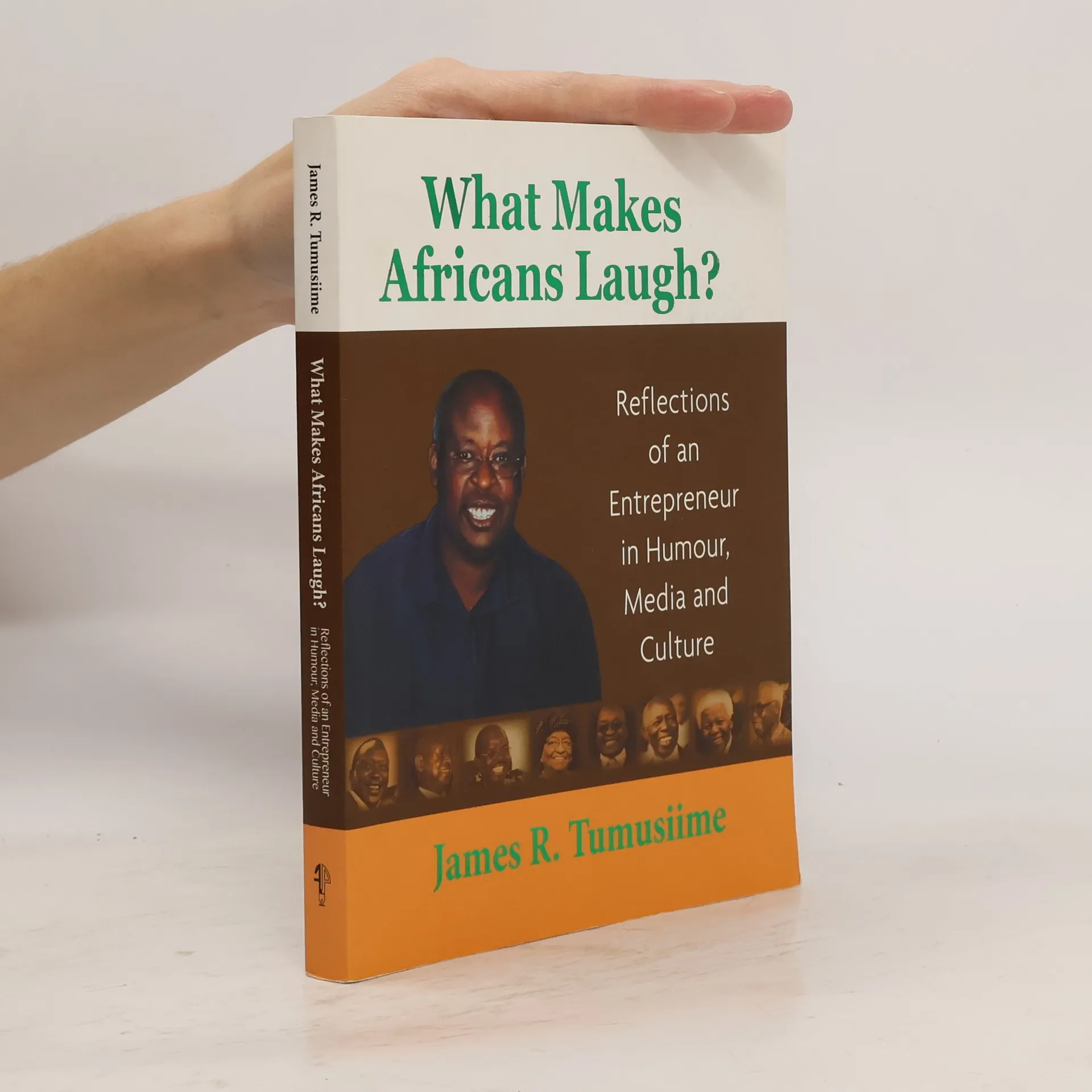
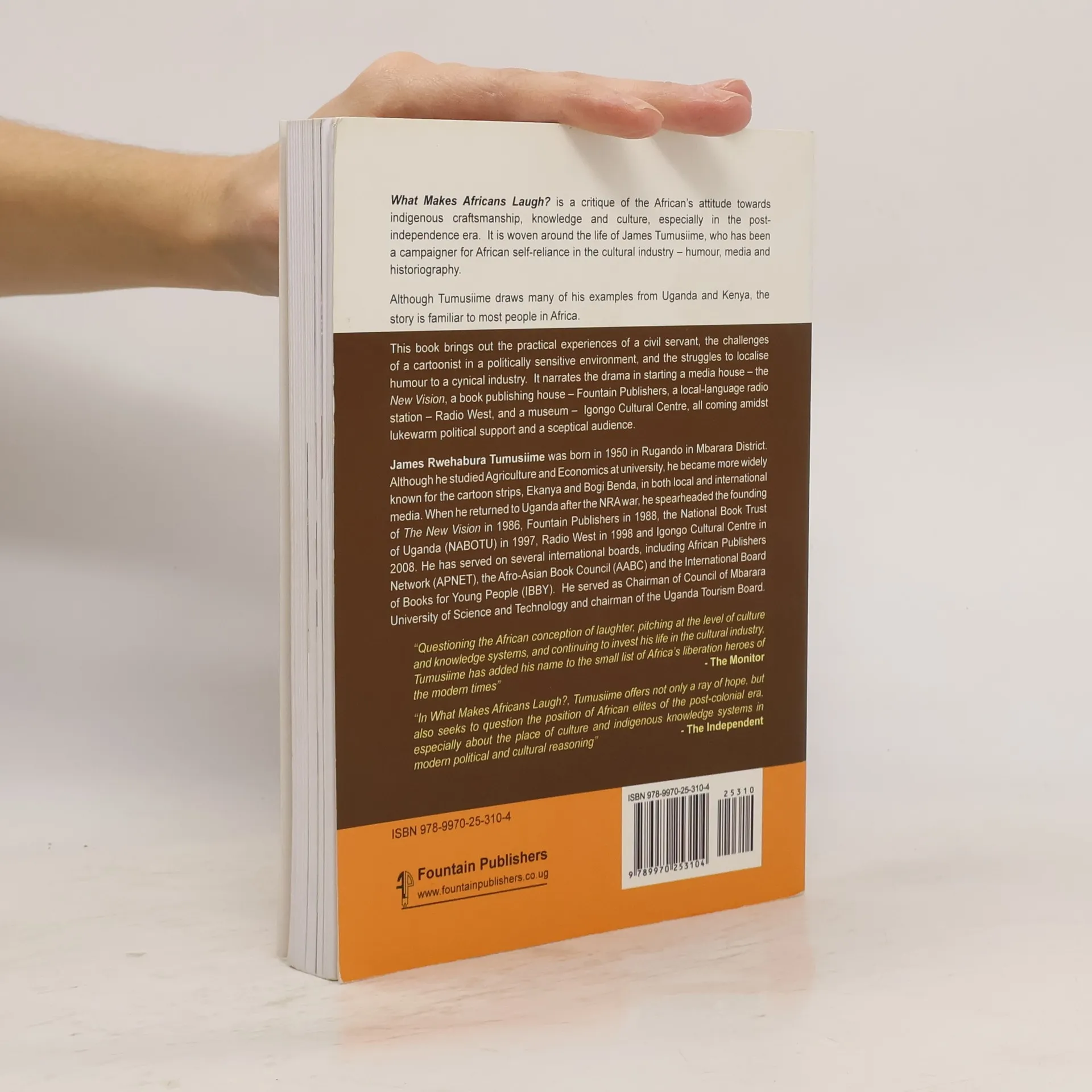
What Makes Africans Laugh? is a critique of the African's attitude towards indigenous craftsmanship, knowledge and culture, especially in the post-independence era. It is woven around the life of James Tumusiime, who has been a campaigner for African self-reliance in the cultural industry - humour, media and historiography. Although Tumusiime draws many of his examples from Uganda and Kenya, the story is familiar to most people in Africa. This book brings out the practical experiences of a civil servant, the challenges of a cartoonist in a politically sensitive environment, and the struggles to localise humour to a cynical industry. It narrates the drama in starting a media house - the New Vision, a book publishing house - Fountain Publishers, a local-language radio station - Radio West, and a museum - Igongo Cultural Centre, all coming amidst lukewarm political support and a sceptical audience.--
Zakup książki
What makes Africans laugh?, James Tumusiime
- Język

- Rok wydania
- 2013
- Oprawa
- (miękka)
Metody płatności
Brakuje nam tutaj Twojej recenzji.
- Tytuł
- What makes Africans laugh?
- Podtytuł
- Reflections of an entrepreneur in humour, media and culture
- Język
- angielski
- Autorzy
- James Tumusiime
- Wydawca
- Fountain Publishers
- Rok wydania
- 2013
- Oprawa
- miękka
- Liczba stron
- 196
- ISBN10
- 9970253107
- ISBN13
- 9789970253104
- Seria
- Ocena
- 3 z 5
- Opis
- What Makes Africans Laugh? is a critique of the African's attitude towards indigenous craftsmanship, knowledge and culture, especially in the post-independence era. It is woven around the life of James Tumusiime, who has been a campaigner for African self-reliance in the cultural industry - humour, media and historiography. Although Tumusiime draws many of his examples from Uganda and Kenya, the story is familiar to most people in Africa. This book brings out the practical experiences of a civil servant, the challenges of a cartoonist in a politically sensitive environment, and the struggles to localise humour to a cynical industry. It narrates the drama in starting a media house - the New Vision, a book publishing house - Fountain Publishers, a local-language radio station - Radio West, and a museum - Igongo Cultural Centre, all coming amidst lukewarm political support and a sceptical audience.--