

Więcej o książce
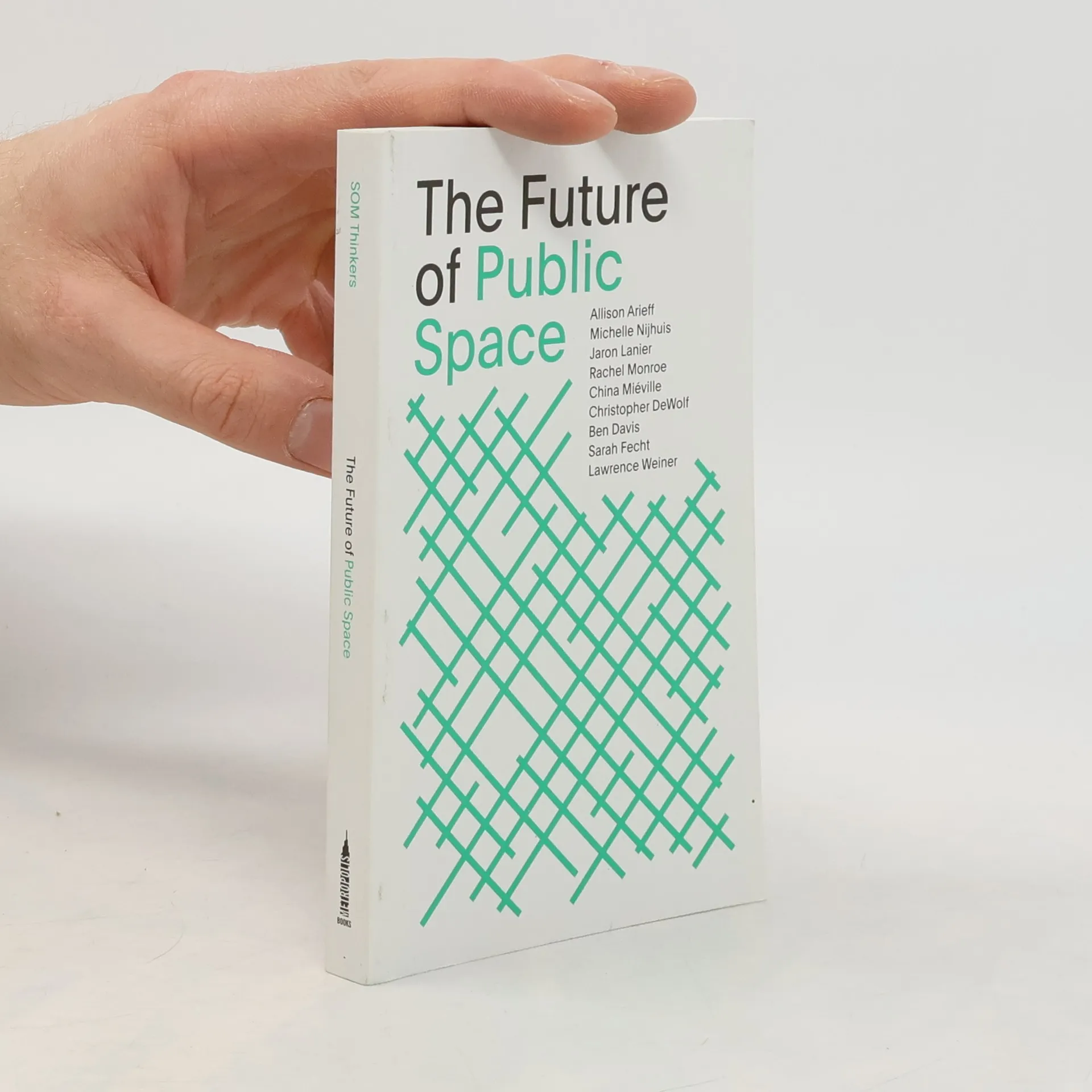
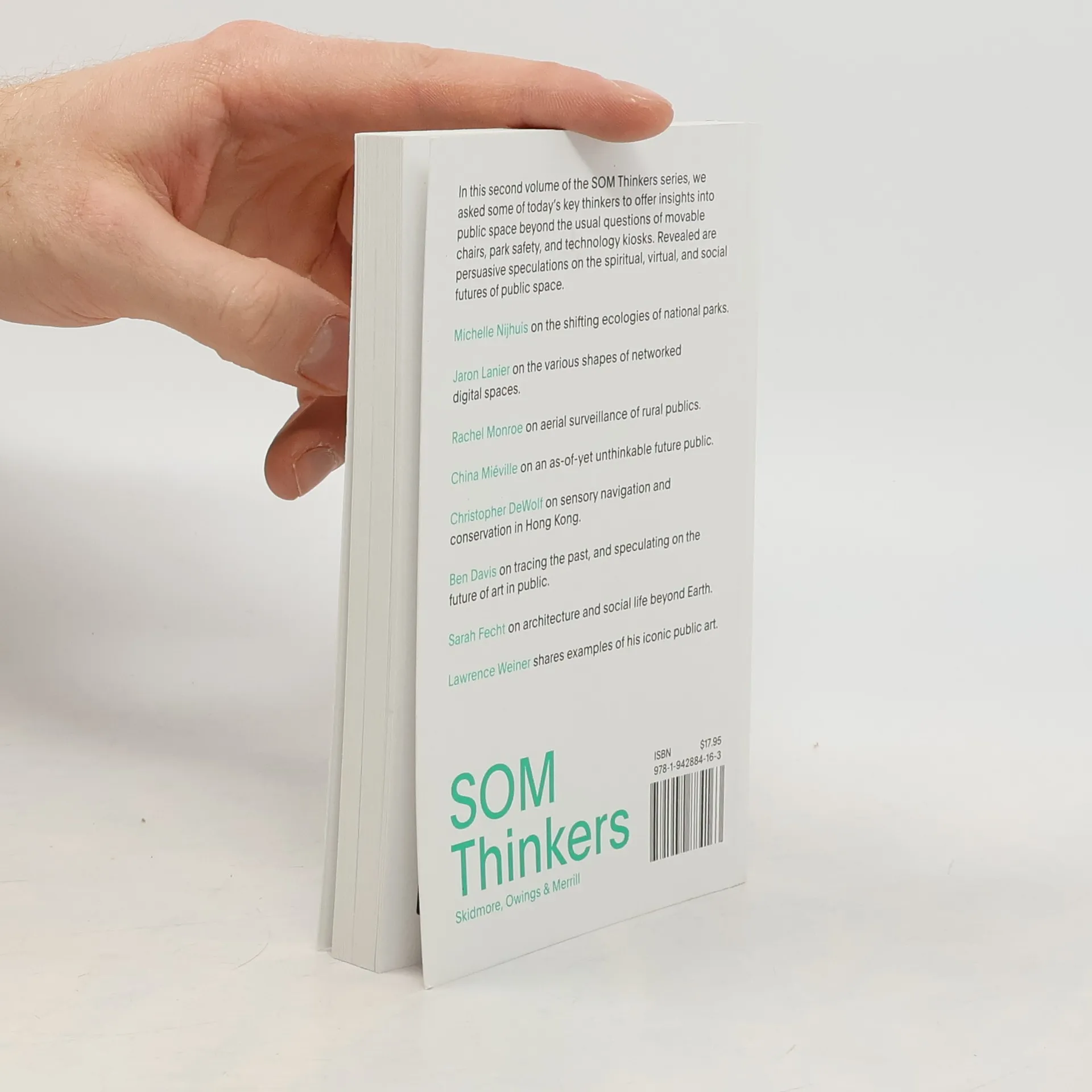
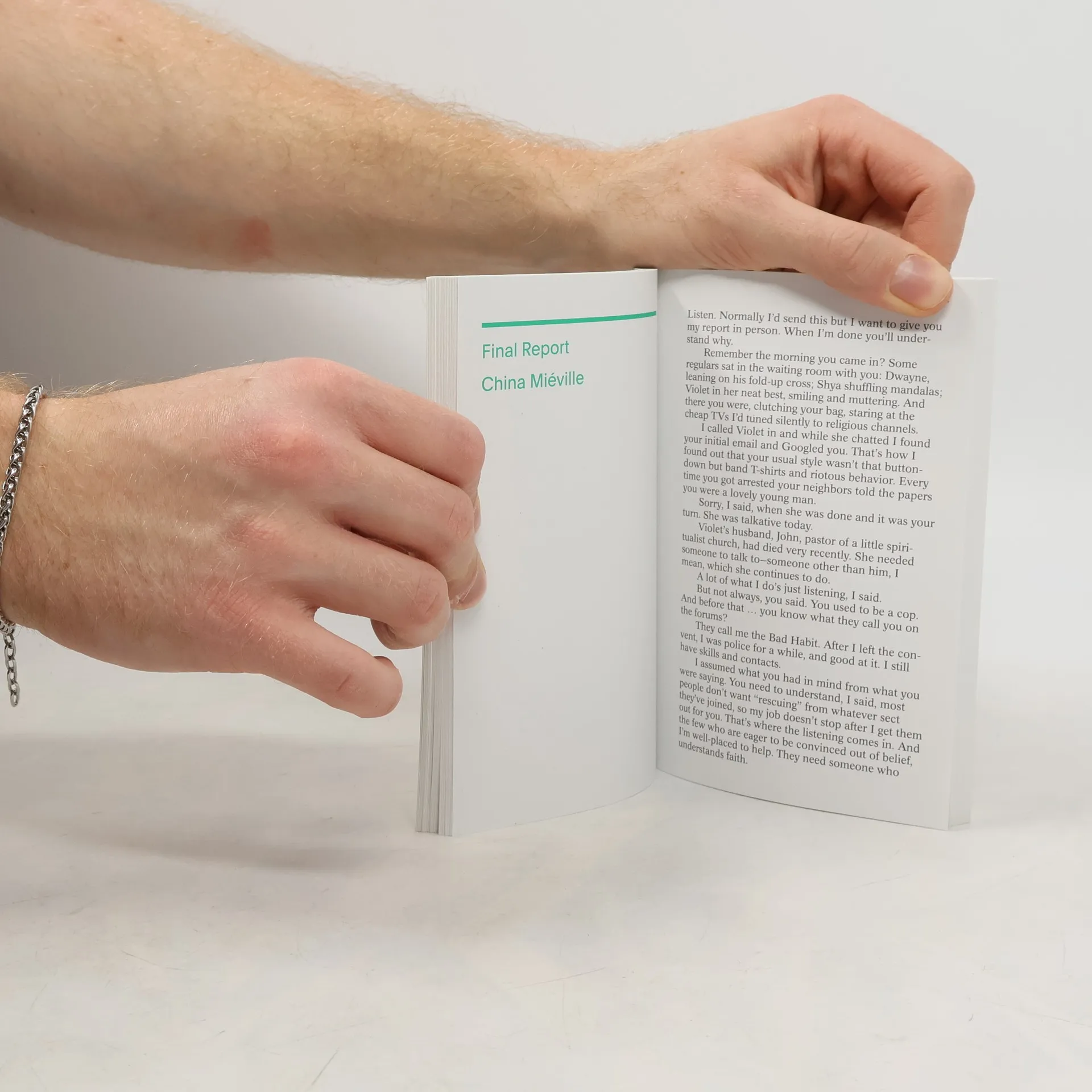
Routine discussions on public space typically omit a gamut of possibilities ripe for critical discussion. This book, the latest in the SOM Thinkersseries, aims to address these questions. Here, Rachel Monroe challenges American preconceptions of the wild, wide-open West by addressing issues of surveillance; the series' first fictional piece, by China Miéville, covers an under-examined area of public space under the guise of detective fiction; a study of public art by Ben Davis sheds light on the myths and stigmas that have accrued to public art, also asking what it can become; Christopher DeWolf shares a sensory navigation trip through a directionless Hong Kong; Michelle Nijhuis writes on the shifting ecologies of national parks; Sarah Fecht explores architecture and social life beyond Earth; while Jaron Lanier meditates on the idea of public space online, linking the prevailing, free-for-all model of the internet with a characteristically American yearning for freedom and repudiation of rules and structure. Also included are examples of public art works by Lawrence Weiner.
Zakup książki
The Future of Public Space, kolektiv
- Język

- Rok wydania
- 2017
- Oprawa
- (miękka)
Metody płatności
Brakuje nam tutaj Twojej recenzji.
- Tytuł
- The Future of Public Space
- Język
- angielski
- Autorzy
- kolektiv
- Wydawca
- Metropolis Books
- Rok wydania
- 2017
- Oprawa
- miękka
- Liczba stron
- 144
- ISBN10
- 1942884168
- ISBN13
- 9781942884163
- Seria
- Tagi
- Architektura
- Ocena
- 4,25 z 5
- Opis
- Routine discussions on public space typically omit a gamut of possibilities ripe for critical discussion. This book, the latest in the SOM Thinkersseries, aims to address these questions. Here, Rachel Monroe challenges American preconceptions of the wild, wide-open West by addressing issues of surveillance; the series' first fictional piece, by China Miéville, covers an under-examined area of public space under the guise of detective fiction; a study of public art by Ben Davis sheds light on the myths and stigmas that have accrued to public art, also asking what it can become; Christopher DeWolf shares a sensory navigation trip through a directionless Hong Kong; Michelle Nijhuis writes on the shifting ecologies of national parks; Sarah Fecht explores architecture and social life beyond Earth; while Jaron Lanier meditates on the idea of public space online, linking the prevailing, free-for-all model of the internet with a characteristically American yearning for freedom and repudiation of rules and structure. Also included are examples of public art works by Lawrence Weiner.