



Więcej o książce
There are disorders that defy treatment with prescribed a man’s hands shake so hard that he cannot hold anything; a woman is mired in severe inescapable depression. For these patients and others, an alternative is deep brain stimulation. In this fascinating and timely investigation, well-known science writer Jamie Talan explains a cutting-edge medical development that is surprising and impressing researchers around the world. More than 40,000 people worldwide have undergone deep brain stimulation, which involves implanting electrodes in the brain that are connected to a device similar to a pacemaker. With compelling profiles of patients and an introduction to doctors and scientists who are pioneering the research, Talan describes the ways in which deep brain stimulation has produced promising results in the treatment of diseases such as Parkinson’s disease, depression, obsessive-compulsive disorder, and dystonia—as well as the ethical issues that have arisen in the course of this research.
Zakup książki
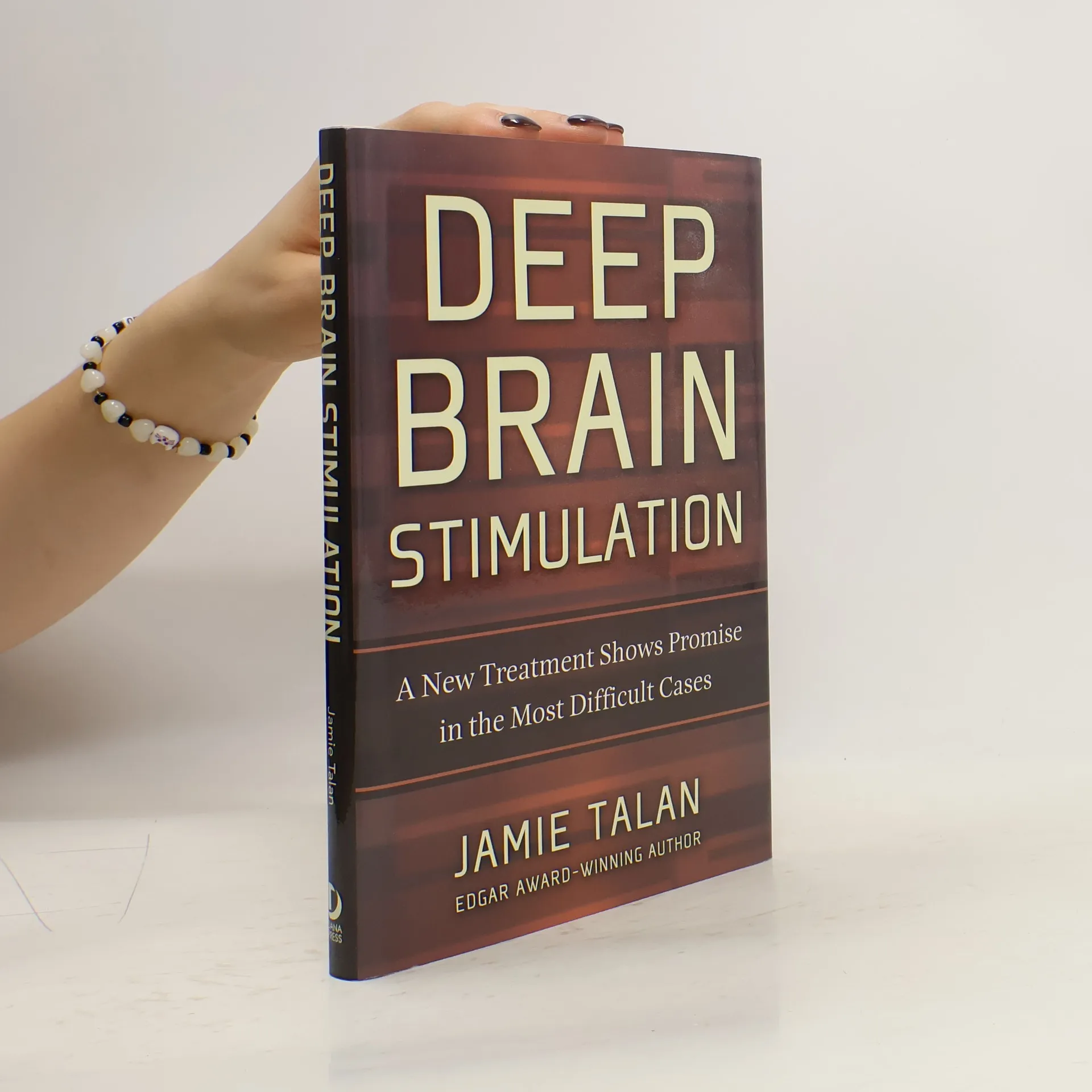
Deep Brain Stimulation, Jamie Talan
- Język

- Rok wydania
- 2009
- Oprawa
- (twarda)
Metody płatności
Brakuje nam tutaj Twojej recenzji.
- Tytuł
- Deep Brain Stimulation
- Podtytuł
- A New Treatment Shows Promise in the Most Difficult Cases
- Język
- angielski
- Autorzy
- Jamie Talan
- Wydawca
- Dana Press
- Rok wydania
- 2009
- Oprawa
- twarda
- Liczba stron
- 200
- ISBN10
- 193259437X
- ISBN13
- 9781932594379
- Seria
- Ocena
- 3,6 z 5
- Opis
- There are disorders that defy treatment with prescribed a man’s hands shake so hard that he cannot hold anything; a woman is mired in severe inescapable depression. For these patients and others, an alternative is deep brain stimulation. In this fascinating and timely investigation, well-known science writer Jamie Talan explains a cutting-edge medical development that is surprising and impressing researchers around the world. More than 40,000 people worldwide have undergone deep brain stimulation, which involves implanting electrodes in the brain that are connected to a device similar to a pacemaker. With compelling profiles of patients and an introduction to doctors and scientists who are pioneering the research, Talan describes the ways in which deep brain stimulation has produced promising results in the treatment of diseases such as Parkinson’s disease, depression, obsessive-compulsive disorder, and dystonia—as well as the ethical issues that have arisen in the course of this research.