


Więcej o książce
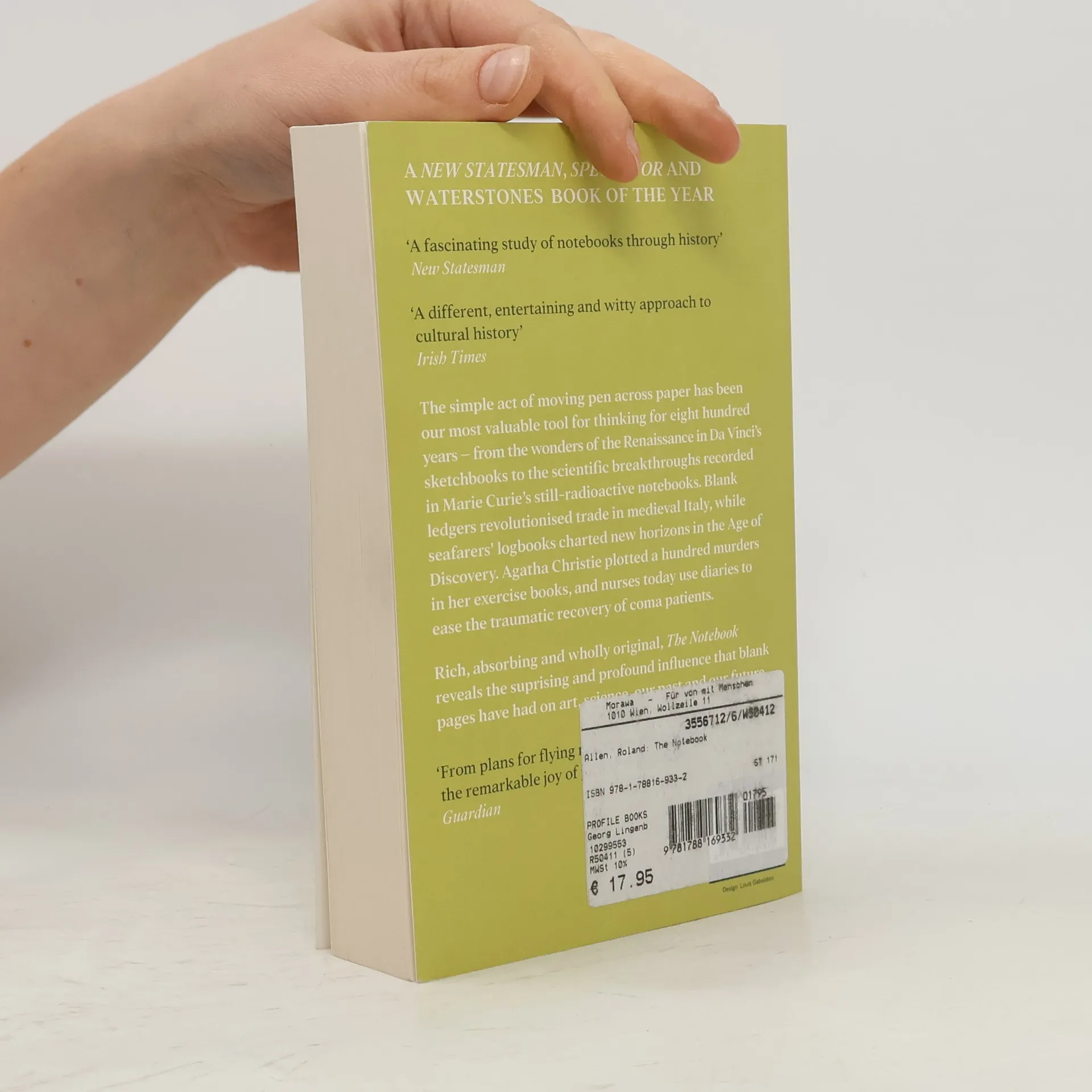
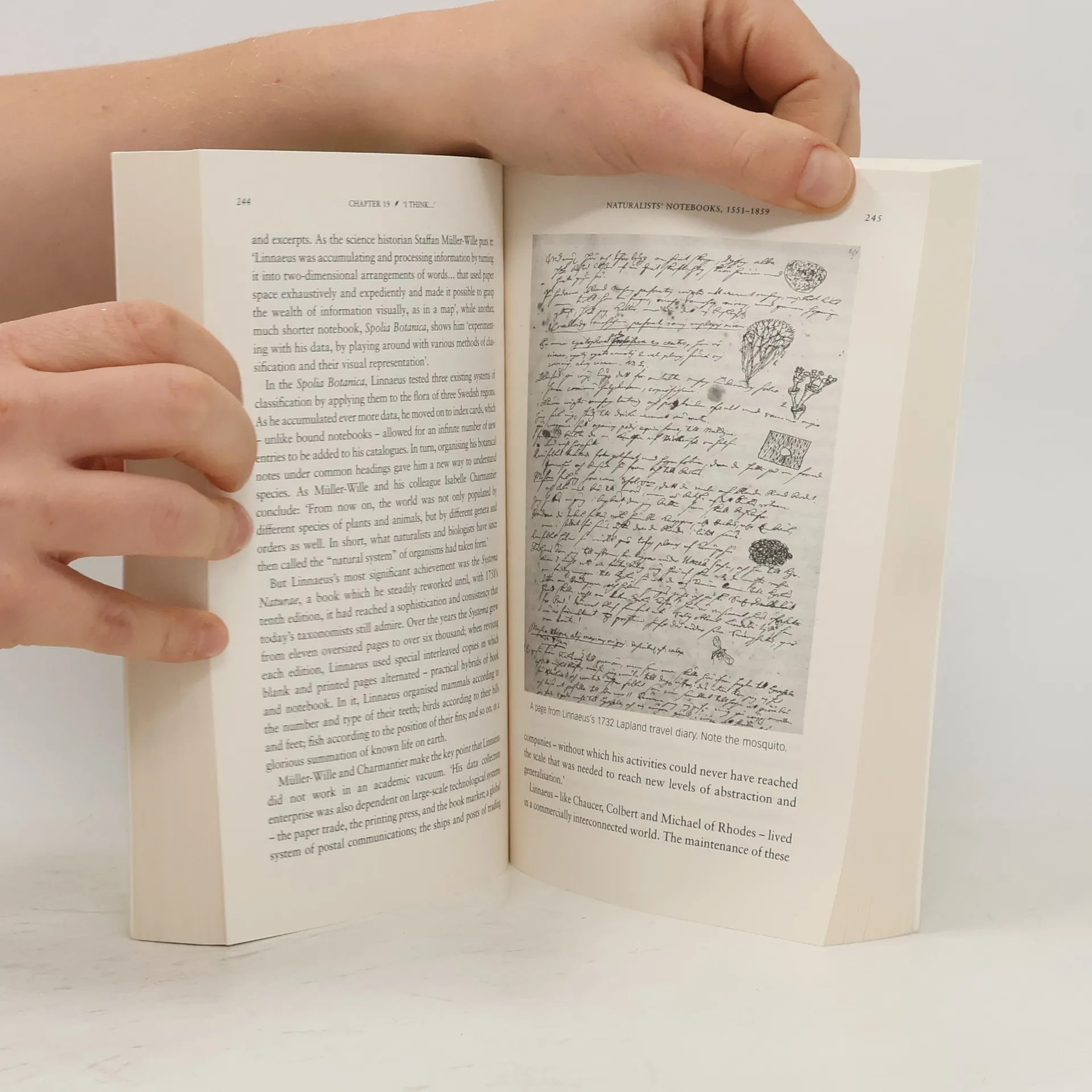
This history explores the origins and impact of the notebook, a seemingly simple invention that transformed how we think. Notebooks are ubiquitous, yet their journey from medieval Florence to modern creativity is fascinating. Roland Allen uncovers how they became essential tools for artists, scientists, and writers, showcasing figures like Leonardo, Frida Kahlo, Isaac Newton, and Agatha Christie. We witness Darwin's evolution theory sketched in pocketbooks and learn how Bruce Chatwin inspired the Moleskine. The narrative includes a diverse cast—cooks, kings, sailors, musicians, and mathematicians—who utilized notebooks as spaces for thought, shaping the modern world. In today's era of AI and digital distractions, the notebook remains vital. Allen illustrates how simple acts like bullet points can help manage ADHD, journals can alleviate PTSD, and diaries can ease the trauma of coma recovery. The act of writing by hand can profoundly influence our creativity, productivity, and overall happiness, highlighting the notebook's enduring relevance in fostering deeper thinking and emotional well-being.
Zakup książki
The Notebook, Howard Allen
- Język

- Rok wydania
- 2024
- Oprawa
- (miękka)
Metody płatności
Brakuje nam tutaj Twojej recenzji.
- Tytuł
- The Notebook
- Podtytuł
- A History of Thinking on Paper
- Język
- angielski
- Autorzy
- Howard Allen
- Wydawca
- Profile Books
- Rok wydania
- 2024
- Oprawa
- miękka
- Liczba stron
- 416
- ISBN10
- 1788169336
- ISBN13
- 9781788169332
- Seria
- Kategorie
- Ocena
- 4,25 z 5
- Opis
- This history explores the origins and impact of the notebook, a seemingly simple invention that transformed how we think. Notebooks are ubiquitous, yet their journey from medieval Florence to modern creativity is fascinating. Roland Allen uncovers how they became essential tools for artists, scientists, and writers, showcasing figures like Leonardo, Frida Kahlo, Isaac Newton, and Agatha Christie. We witness Darwin's evolution theory sketched in pocketbooks and learn how Bruce Chatwin inspired the Moleskine. The narrative includes a diverse cast—cooks, kings, sailors, musicians, and mathematicians—who utilized notebooks as spaces for thought, shaping the modern world. In today's era of AI and digital distractions, the notebook remains vital. Allen illustrates how simple acts like bullet points can help manage ADHD, journals can alleviate PTSD, and diaries can ease the trauma of coma recovery. The act of writing by hand can profoundly influence our creativity, productivity, and overall happiness, highlighting the notebook's enduring relevance in fostering deeper thinking and emotional well-being.