



Ocena książki
Więcej o książce
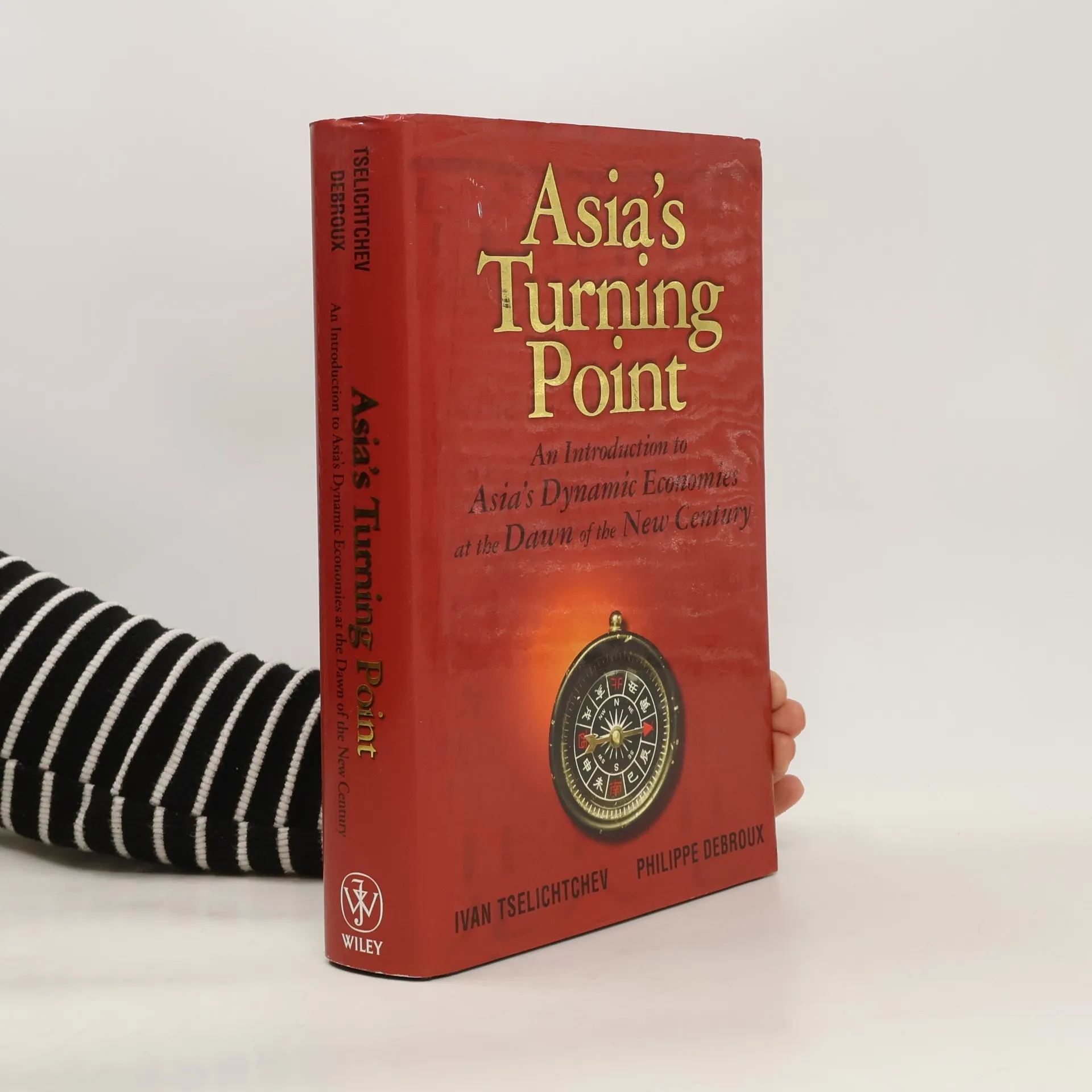
Asia emerged as a major economic force in the post-war decades, beginning with Japan's remarkable success, followed by the rise of the "four tigers," ASEAN founder states, and China. This phenomenon was termed the "Asian miracle." By the late 1970s and 1980s, the global balance of power shifted, prompting discussions about a "new Asia Pacific age" and an Asian economic model that was perceived as potentially superior to Western capitalism. However, the 1997-98 Asian economic crisis marked a turning point, with Japan entering a prolonged period of stagnation. Despite this setback, the region recovered surprisingly quickly. This raises critical questions about the current state of Asian capitalism post-miracle and post-crisis. What does the region's economic landscape look like today? While there is ample literature on the earlier successes and crises, few have tackled these pressing questions. The authors illustrate that Asian capitalism is experiencing a significant structural transformation, impacting key institutions such as governments, companies, and labor relations. Consequently, Asian economic systems are aligning more closely with Western, particularly Anglo-Saxon, capitalism, while still retaining unique cultural characteristics. This work is essential for business professionals, scholars, and anyone interested in understanding the evolving dynamics of the region as we enter the new century.
Zakup książki
Asia's Turning Point, Ivan Tselichtchev, Philippe Debroux
- Język

- Rok wydania
- 2009
- Oprawa
- (twarda)
Metody płatności
Brakuje nam tutaj Twojej recenzji.
- Tytuł
- Asia's Turning Point
- Podtytuł
- An Introduction to Asia's Dynamic Economies at the Dawn of the New Century
- Język
- angielski
- Autorzy
- Ivan Tselichtchev, Philippe Debroux
- Wydawca
- WILEY
- Rok wydania
- 2009
- Oprawa
- twarda
- Liczba stron
- 350
- ISBN10
- 0470823607
- ISBN13
- 9780470823606
- Seria
- Tagi
- Biznes
- Ocena
- 3,25 z 5
- Opis
- Asia emerged as a major economic force in the post-war decades, beginning with Japan's remarkable success, followed by the rise of the "four tigers," ASEAN founder states, and China. This phenomenon was termed the "Asian miracle." By the late 1970s and 1980s, the global balance of power shifted, prompting discussions about a "new Asia Pacific age" and an Asian economic model that was perceived as potentially superior to Western capitalism. However, the 1997-98 Asian economic crisis marked a turning point, with Japan entering a prolonged period of stagnation. Despite this setback, the region recovered surprisingly quickly. This raises critical questions about the current state of Asian capitalism post-miracle and post-crisis. What does the region's economic landscape look like today? While there is ample literature on the earlier successes and crises, few have tackled these pressing questions. The authors illustrate that Asian capitalism is experiencing a significant structural transformation, impacting key institutions such as governments, companies, and labor relations. Consequently, Asian economic systems are aligning more closely with Western, particularly Anglo-Saxon, capitalism, while still retaining unique cultural characteristics. This work is essential for business professionals, scholars, and anyone interested in understanding the evolving dynamics of the region as we enter the new century.