



Więcej o książce
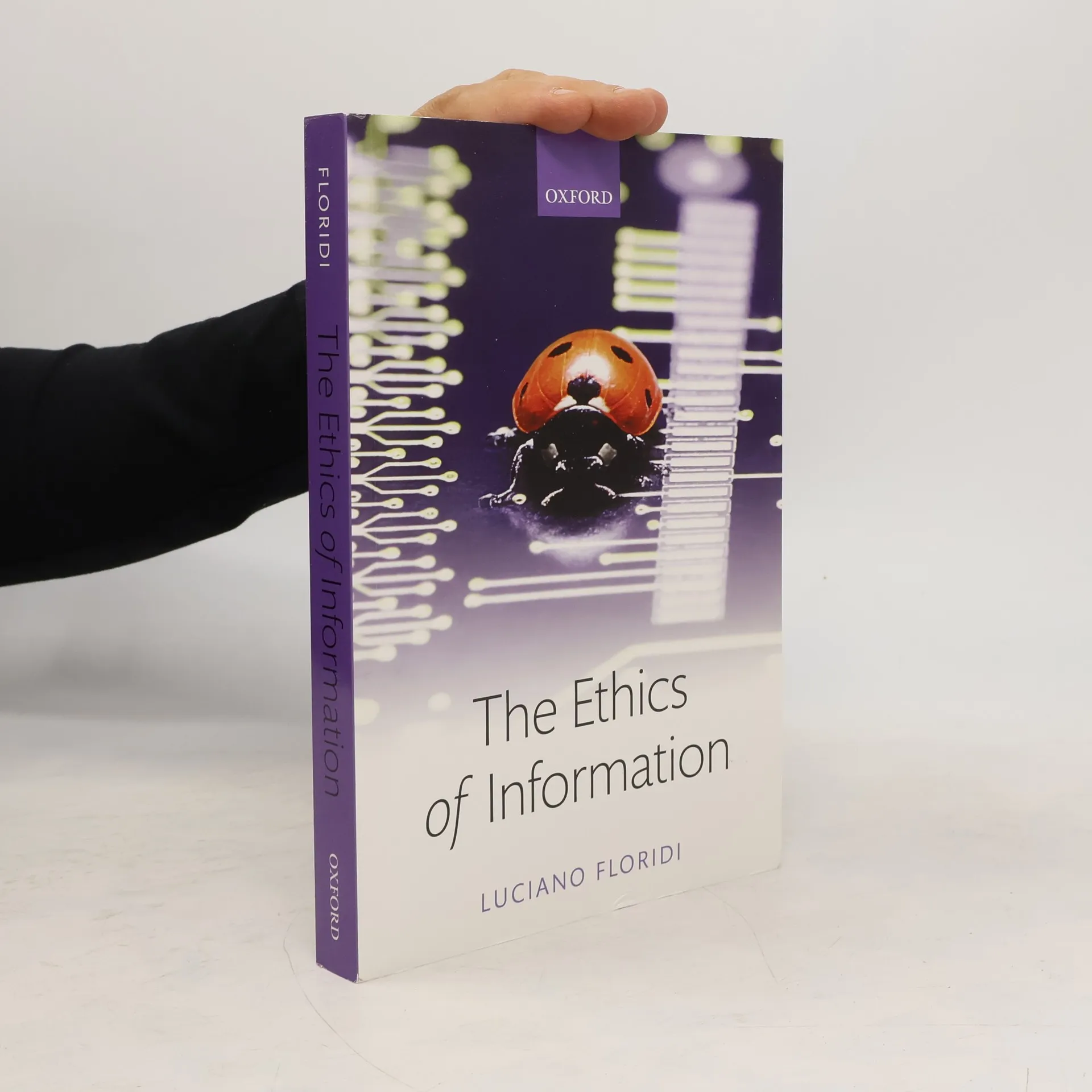
Luciano Floridi presents an original ethical framework for addressing the challenges posed by Information and Communication Technologies (ICTs), which have significantly transformed various aspects of life, including entertainment, work, communication, education, health care, and social relations. These changes have had a profound impact on our moral lives and contemporary ethical discussions, raising pressing issues such as privacy, ownership, freedom of speech, responsibility, and the digital divide. This ethical discourse is encapsulated in Information Ethics (IE), a new philosophical area that examines the ethical implications of ICTs on society. Since the 1970s, IE has been a prominent topic in academic curricula, leading to a surge of university courses, conferences, workshops, and research centers dedicated to the subject. However, most investigations have focused on professional and technical aspects, primarily addressing legal and social issues. This book is the first philosophical monograph solely devoted to IE, establishing its conceptual foundations. Floridi systematically pursues three goals: describing what IE is and its associated problems; providing an introduction to the complex nature of computer ethics; and addressing key theoretical questions regarding the ethical implications of ICTs. While independent of his previous work, this book complements it by further exploring the foundations of the philosophy of
Zakup książki
The Ethics of Information, Luciano Floridi
- Język

- Rok wydania
- 2015
- Oprawa
- (miękka)
Metody płatności
Brakuje nam tutaj Twojej recenzji.
- Tytuł
- The Ethics of Information
- Język
- angielski
- Autorzy
- Luciano Floridi
- Wydawca
- Oxford University Press
- Rok wydania
- 2015
- Oprawa
- miękka
- Liczba stron
- 384
- ISBN10
- 0198748051
- ISBN13
- 9780198748052
- Seria
- Kategorie
- Ocena
- 3,65 z 5
- Opis
- Luciano Floridi presents an original ethical framework for addressing the challenges posed by Information and Communication Technologies (ICTs), which have significantly transformed various aspects of life, including entertainment, work, communication, education, health care, and social relations. These changes have had a profound impact on our moral lives and contemporary ethical discussions, raising pressing issues such as privacy, ownership, freedom of speech, responsibility, and the digital divide. This ethical discourse is encapsulated in Information Ethics (IE), a new philosophical area that examines the ethical implications of ICTs on society. Since the 1970s, IE has been a prominent topic in academic curricula, leading to a surge of university courses, conferences, workshops, and research centers dedicated to the subject. However, most investigations have focused on professional and technical aspects, primarily addressing legal and social issues. This book is the first philosophical monograph solely devoted to IE, establishing its conceptual foundations. Floridi systematically pursues three goals: describing what IE is and its associated problems; providing an introduction to the complex nature of computer ethics; and addressing key theoretical questions regarding the ethical implications of ICTs. While independent of his previous work, this book complements it by further exploring the foundations of the philosophy of