



Więcej o książce
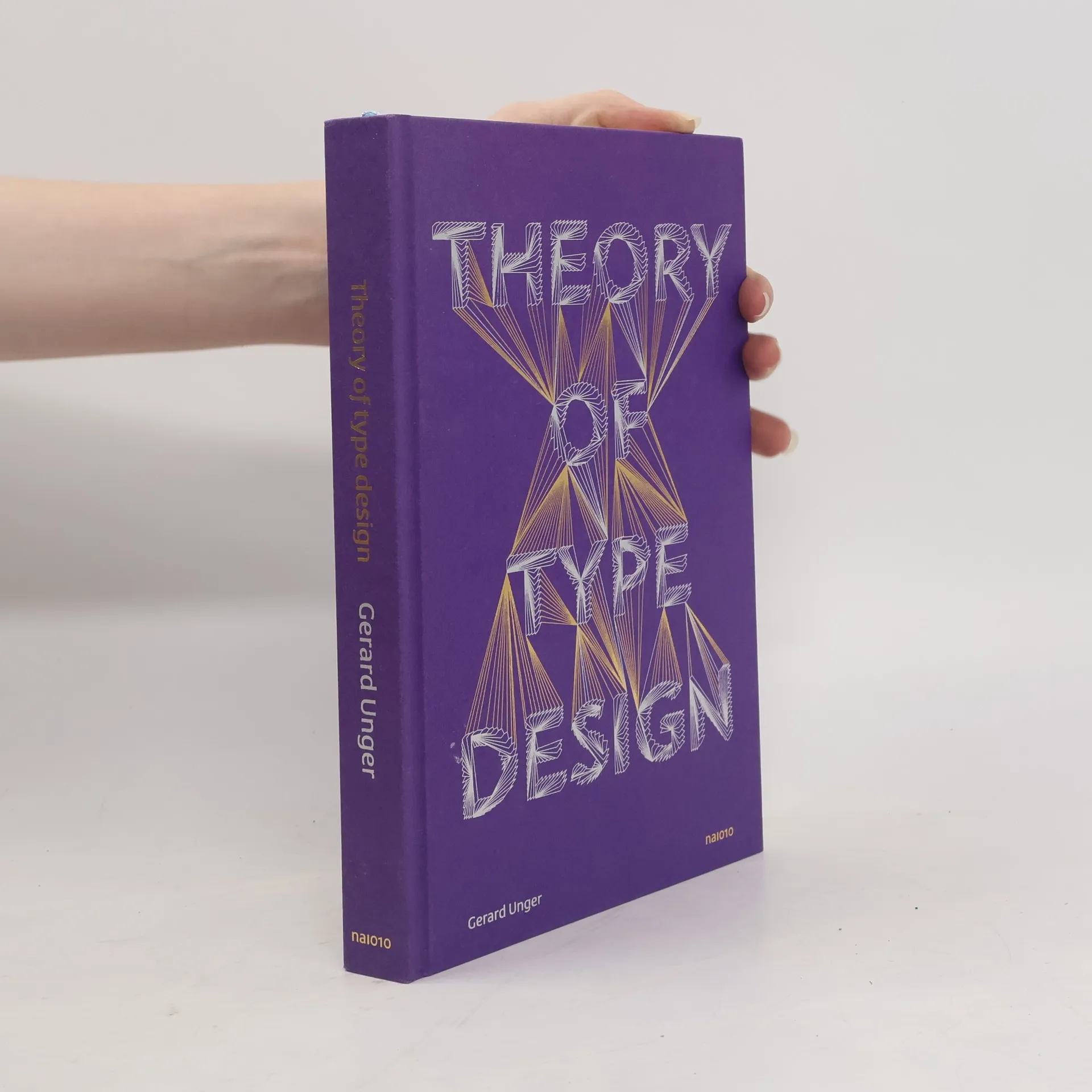
This work presents a comprehensive exploration of the diversity and creativity inherent in typography, emphasizing how design facilitates text communication. Renowned Dutch graphic designer and typographer Gerard Unger offers an accessible theory that delves into the vast field of typography, noting that letters are among the most ubiquitous designed objects. He highlights the remarkable variety in letterforms and the limitless potential for human creativity in their design. The study traces the evolution of typography from ancient cuneiform to contemporary digital innovations, examining how our visual perception influences text comprehension. Organized into 24 concise chapters, the book covers practical aspects such as spacing, legibility, and size, alongside more abstract themes like personality and preference. The theoretical insights are complemented by over 200 illustrations and practical examples, along with an extensive glossary that clarifies key terminology. With its international perspective and consideration of typography's past, present, and future, this resource serves as an essential guide for graphic design students, professionals, and anyone interested in the art of text and printed materials.
Zakup książki
Theory of Type Design, Gerard Unger
- Język

- Rok wydania
- 2018
- Oprawa
- (twarda)
Metody płatności
Brakuje nam tutaj Twojej recenzji.
- Tytuł
- Theory of Type Design
- Język
- angielski
- Autorzy
- Gerard Unger
- Wydawca
- Nai010 Publishers
- Rok wydania
- 2018
- Oprawa
- twarda
- Liczba stron
- 240
- ISBN10
- 9462084408
- ISBN13
- 9789462084407
- Seria
- Tagi
- Ocena
- 4 z 5
- Opis
- This work presents a comprehensive exploration of the diversity and creativity inherent in typography, emphasizing how design facilitates text communication. Renowned Dutch graphic designer and typographer Gerard Unger offers an accessible theory that delves into the vast field of typography, noting that letters are among the most ubiquitous designed objects. He highlights the remarkable variety in letterforms and the limitless potential for human creativity in their design. The study traces the evolution of typography from ancient cuneiform to contemporary digital innovations, examining how our visual perception influences text comprehension. Organized into 24 concise chapters, the book covers practical aspects such as spacing, legibility, and size, alongside more abstract themes like personality and preference. The theoretical insights are complemented by over 200 illustrations and practical examples, along with an extensive glossary that clarifies key terminology. With its international perspective and consideration of typography's past, present, and future, this resource serves as an essential guide for graphic design students, professionals, and anyone interested in the art of text and printed materials.