


Więcej o książce
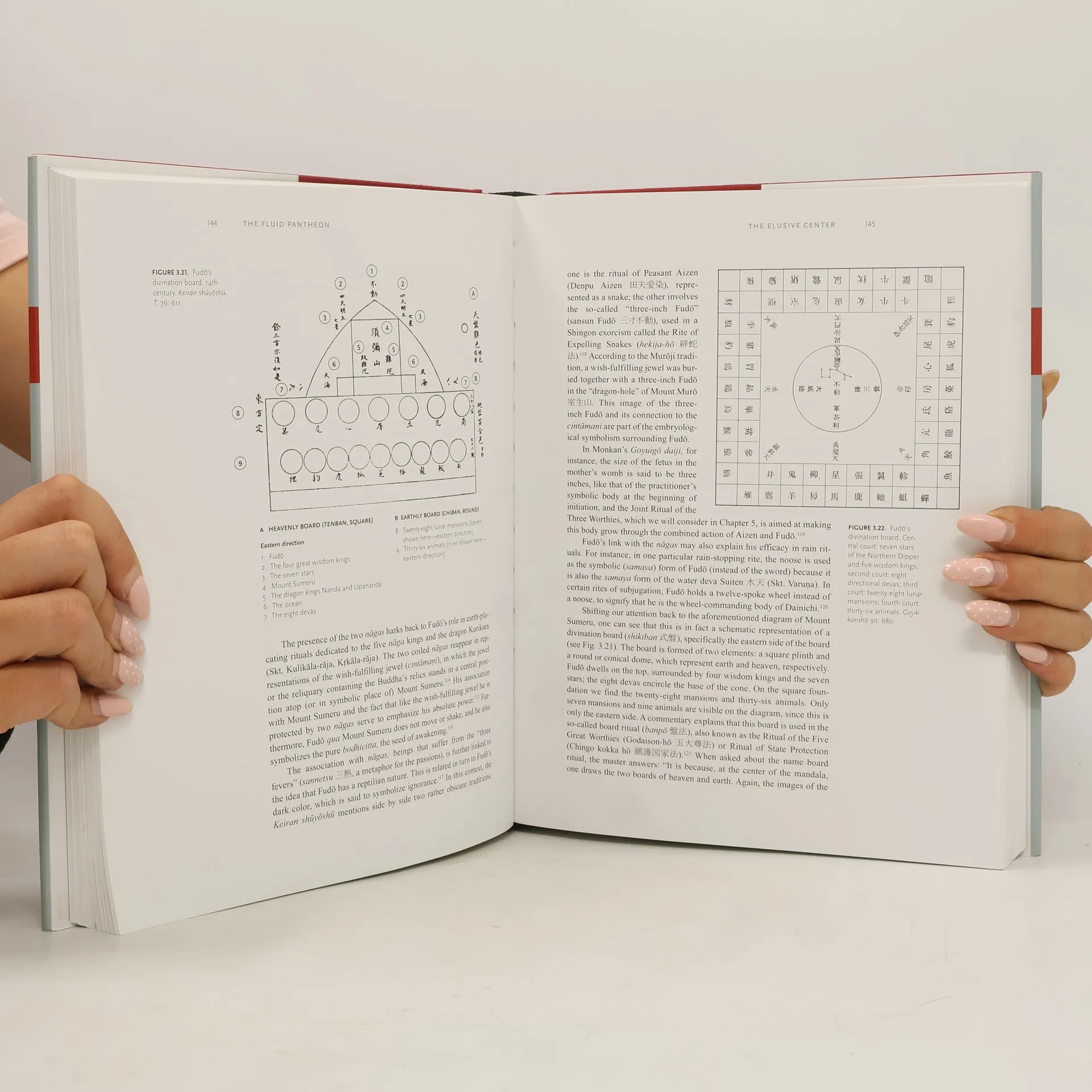
Written by a leading scholar of Japanese religion, this work is the first volume of a multivolume project that aims to significantly enhance our understanding of the mythico-ritual system of esoteric Buddhism, particularly the roles of deities in medieval Japan and beyond. The author introduces readers to medieval Japanese religiosity, emphasizing the centrality of gods in religious discourse and ritual, while moving away from conventional textual, historical, and sociological methods in religious studies. He treats gods (including buddhas and demons) as meaningful interlocutors rather than mere reflections of social groups or human psychology. Utilizing insights from structuralism, post-structuralism, and Actor-network theory, he explores the “implicit pantheon” of esoteric Japanese Buddhism (Mikkyō). Through various case studies, he analyzes the rich mythological and ritual developments of the medieval period, extending beyond the religious realm into political, artistic, and literary contexts. His extensive knowledge is evident as he presents largely unstudied material with theoretical depth, integrating a significant iconographic record with over 180 images. This focus on iconography is essential for a comprehensive understanding of medieval Japanese beliefs and practices, challenging the traditional separation of religious studies and art history. Ultimately, this volume argues for the centrality of gods in medieval Japan
Zakup książki
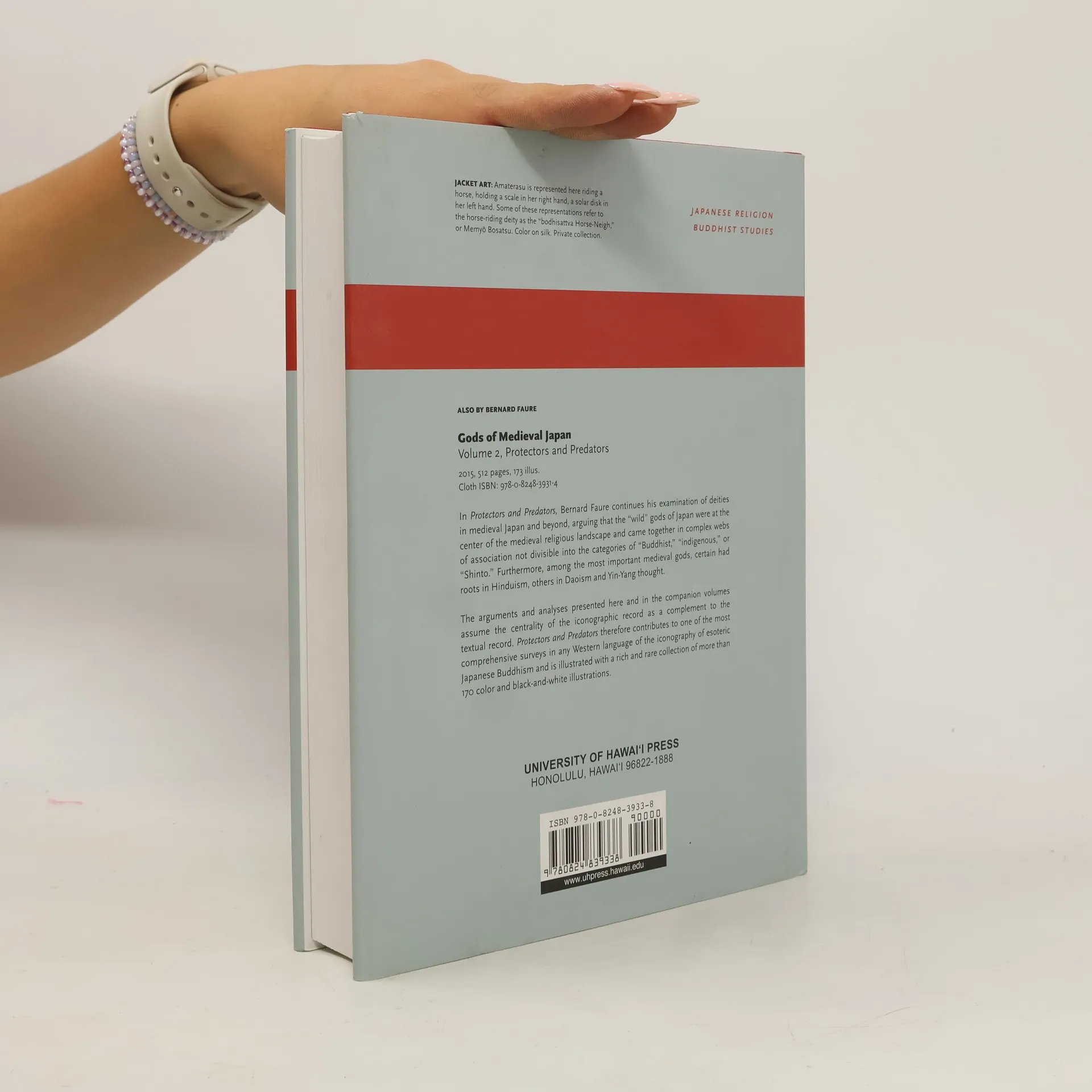
Gods of Medieval Japan - 1: The Fluid Pantheon, Bernard Faure
- Język

- Rok wydania
- 2015
- Oprawa
- (twarda)
Metody płatności
Brakuje nam tutaj Twojej recenzji.
- Tytuł
- Gods of Medieval Japan - 1: The Fluid Pantheon
- Język
- angielski
- Autorzy
- Bernard Faure
- Wydawca
- University of Hawaii Press
- Rok wydania
- 2015
- Oprawa
- twarda
- Liczba stron
- 496
- ISBN10
- 0824839331
- ISBN13
- 9780824839338
- Seria
- Kategorie
- Ocena
- 4,65 z 5
- Opis
- Written by a leading scholar of Japanese religion, this work is the first volume of a multivolume project that aims to significantly enhance our understanding of the mythico-ritual system of esoteric Buddhism, particularly the roles of deities in medieval Japan and beyond. The author introduces readers to medieval Japanese religiosity, emphasizing the centrality of gods in religious discourse and ritual, while moving away from conventional textual, historical, and sociological methods in religious studies. He treats gods (including buddhas and demons) as meaningful interlocutors rather than mere reflections of social groups or human psychology. Utilizing insights from structuralism, post-structuralism, and Actor-network theory, he explores the “implicit pantheon” of esoteric Japanese Buddhism (Mikkyō). Through various case studies, he analyzes the rich mythological and ritual developments of the medieval period, extending beyond the religious realm into political, artistic, and literary contexts. His extensive knowledge is evident as he presents largely unstudied material with theoretical depth, integrating a significant iconographic record with over 180 images. This focus on iconography is essential for a comprehensive understanding of medieval Japanese beliefs and practices, challenging the traditional separation of religious studies and art history. Ultimately, this volume argues for the centrality of gods in medieval Japan