



Parametry
- 298 stron
- 11 godzin czytania
Więcej o książce
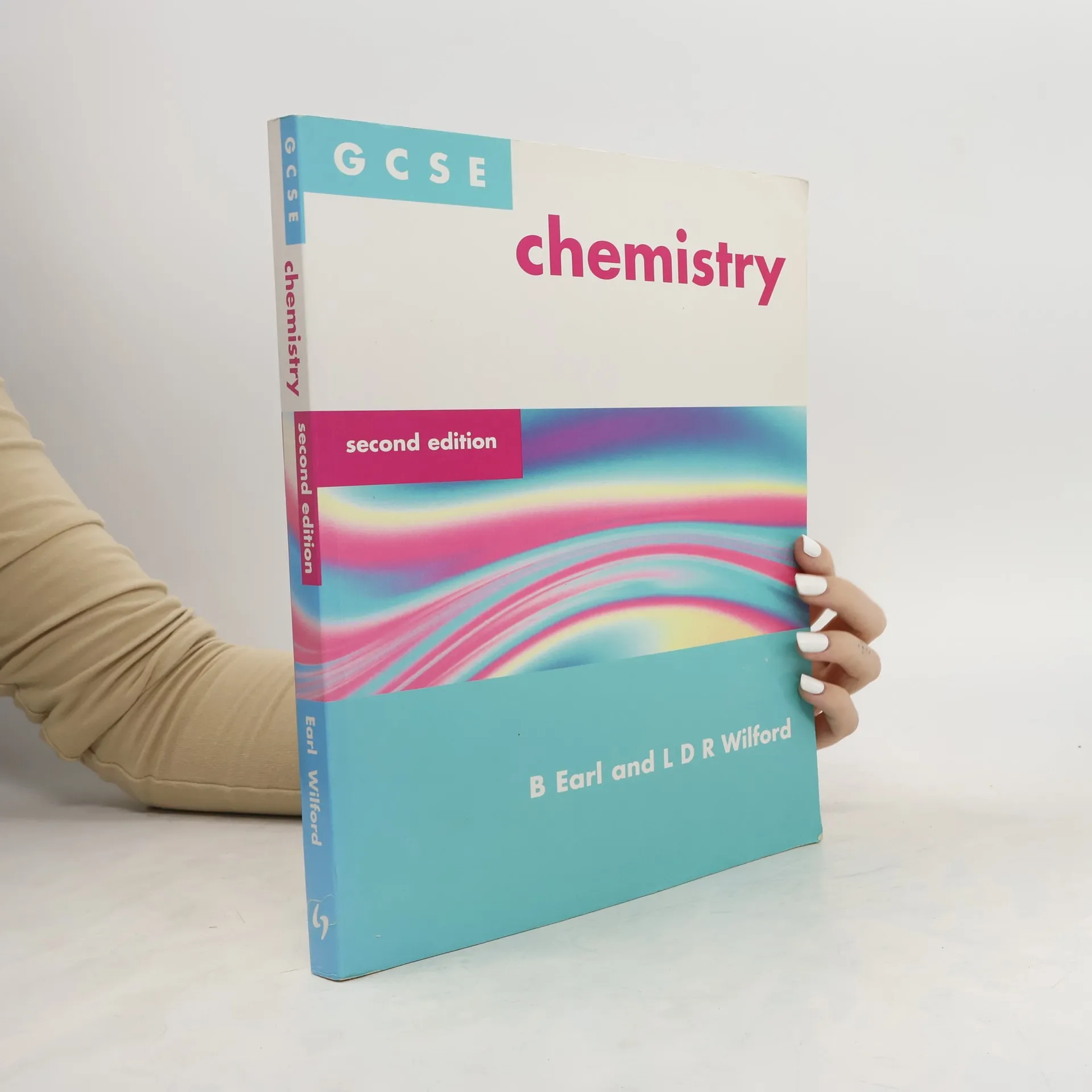
The second edition of "GCSE Chemistry" has been produced to reflect the revised GCSE specifications and to ensure that it is thoroughly up to date. In the development of scientific ideas has been expanded with additional material on the discovery of the periodic table and theories of acids and bases; further information has been provided on topics such as instrumental techniques for identifying elements and compounds, the effects of plate tectonics, colloids and carboxylic acids, specifically aspirin, ascorbic acid and citric acid; there is additional material on the technological applications of chemistry including the extraction and use of titanium and industrial uses of enzymes; Internet research activities have been included; many of the questions within the text at the end of each chapter have been updated; and questions from recent past papers have been used for the GCSE exam questions.
Zakup książki
GCSE Chemistry, Bryan Earl, L. D. R. Wilford
- Język

- Rok wydania
- 2001
- Oprawa
- (miękka)
Metody płatności
Brakuje nam tutaj Twojej recenzji.
- Tytuł
- GCSE Chemistry
- Podtytuł
- Second Edition
- Język
- angielski
- Autorzy
- Bryan Earl, L. D. R. Wilford
- Wydawca
- Hodder Murray
- Rok wydania
- 2001
- Oprawa
- miękka
- Liczba stron
- 298
- ISBN10
- 071958616X
- ISBN13
- 9780719586163
- Seria
- Kategorie
- Tagi
- Podręczniki, Nauki przyrodnicze, Inne podręczniki, Podręczniki dla szkół średnich, Edukacja & Szkolnictwo, Podręczniki chemii
- Ocena
- 5 z 5
- Opis
- The second edition of "GCSE Chemistry" has been produced to reflect the revised GCSE specifications and to ensure that it is thoroughly up to date. In the development of scientific ideas has been expanded with additional material on the discovery of the periodic table and theories of acids and bases; further information has been provided on topics such as instrumental techniques for identifying elements and compounds, the effects of plate tectonics, colloids and carboxylic acids, specifically aspirin, ascorbic acid and citric acid; there is additional material on the technological applications of chemistry including the extraction and use of titanium and industrial uses of enzymes; Internet research activities have been included; many of the questions within the text at the end of each chapter have been updated; and questions from recent past papers have been used for the GCSE exam questions.