

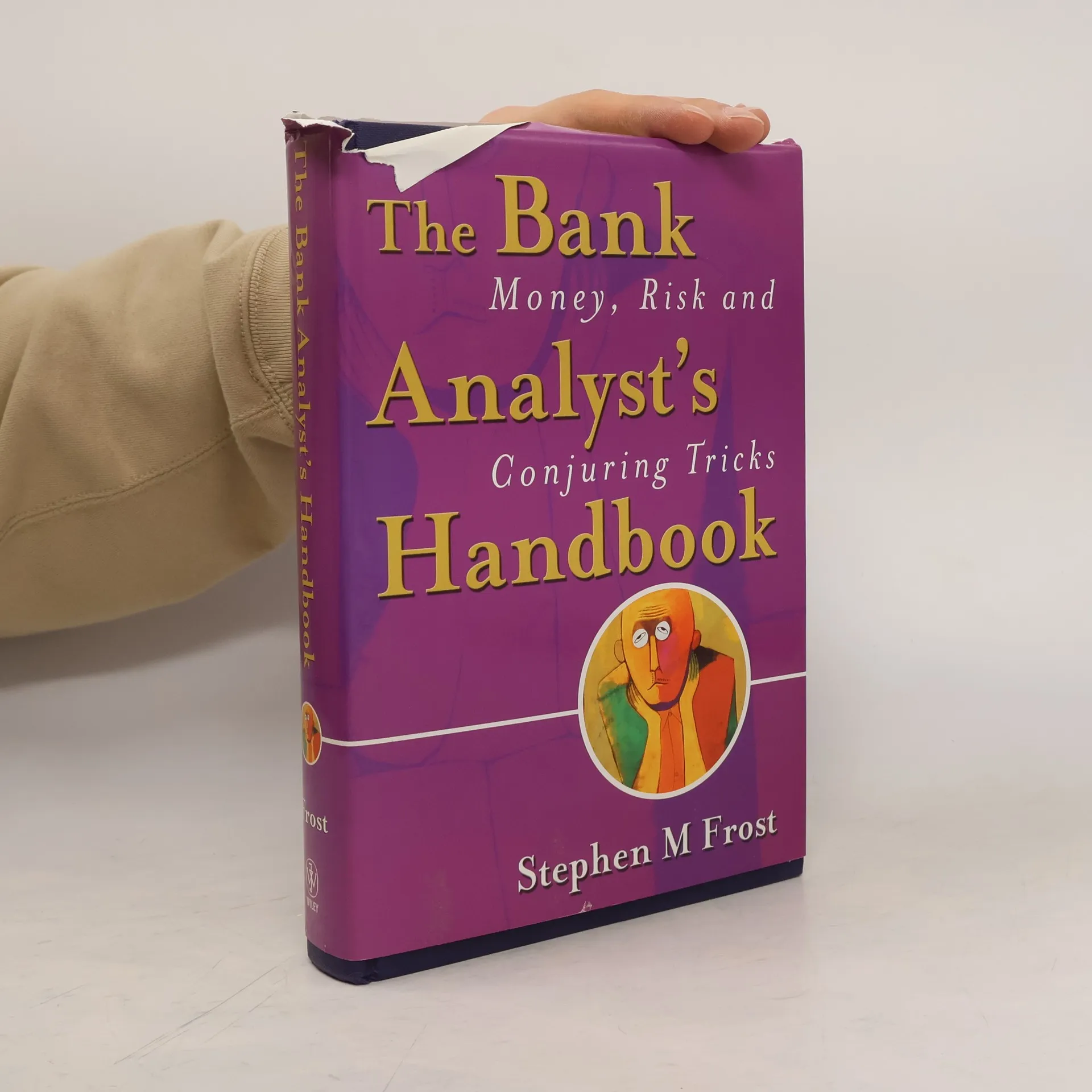
Więcej o książce
It is common for financial services professionals to have only a vague understanding of their colleagues' roles due to specialization and the jargon that facilitates communication among specialists but alienates others. This Handbook offers a modern introduction to financial markets and intermediation, covering individual topics in a clear and concise manner. The author's extensive experience as a sell-side bank analyst effectively weaves together various elements to create a coherent framework for analyzing financial markets in both advanced and developing economies. The writing is accessible and builds on traditional financial theory while addressing the challenges of applying that theory in real-world scenarios. Its appeal spans various levels of expertise, making it suitable for a broad audience. The Handbook is highly recommended for professionals entering the banking industry, as it clearly elucidates topics that even seasoned bankers may find confusing. It is considered essential reading for anyone involved in financial sector consulting and offers valuable insights into the complex world of banking, making it compulsory for analysts and investors alike.
Zakup książki
The Bank Analyst's Handbook, Stephen M. Frost
- Język

- Rok wydania
- 2004
- Oprawa
- (twarda)
Metody płatności
Brakuje nam tutaj Twojej recenzji.
- Tytuł
- The Bank Analyst's Handbook
- Podtytuł
- Money, Risk and Conjuring Tricks
- Język
- angielski
- Autorzy
- Stephen M. Frost
- Wydawca
- WILEY
- Rok wydania
- 2004
- Oprawa
- twarda
- Liczba stron
- 546
- ISBN10
- 0470091185
- ISBN13
- 9780470091180
- Seria
- Kategorie
- Ocena
- 3,75 z 5
- Opis
- It is common for financial services professionals to have only a vague understanding of their colleagues' roles due to specialization and the jargon that facilitates communication among specialists but alienates others. This Handbook offers a modern introduction to financial markets and intermediation, covering individual topics in a clear and concise manner. The author's extensive experience as a sell-side bank analyst effectively weaves together various elements to create a coherent framework for analyzing financial markets in both advanced and developing economies. The writing is accessible and builds on traditional financial theory while addressing the challenges of applying that theory in real-world scenarios. Its appeal spans various levels of expertise, making it suitable for a broad audience. The Handbook is highly recommended for professionals entering the banking industry, as it clearly elucidates topics that even seasoned bankers may find confusing. It is considered essential reading for anyone involved in financial sector consulting and offers valuable insights into the complex world of banking, making it compulsory for analysts and investors alike.