

Więcej o książce
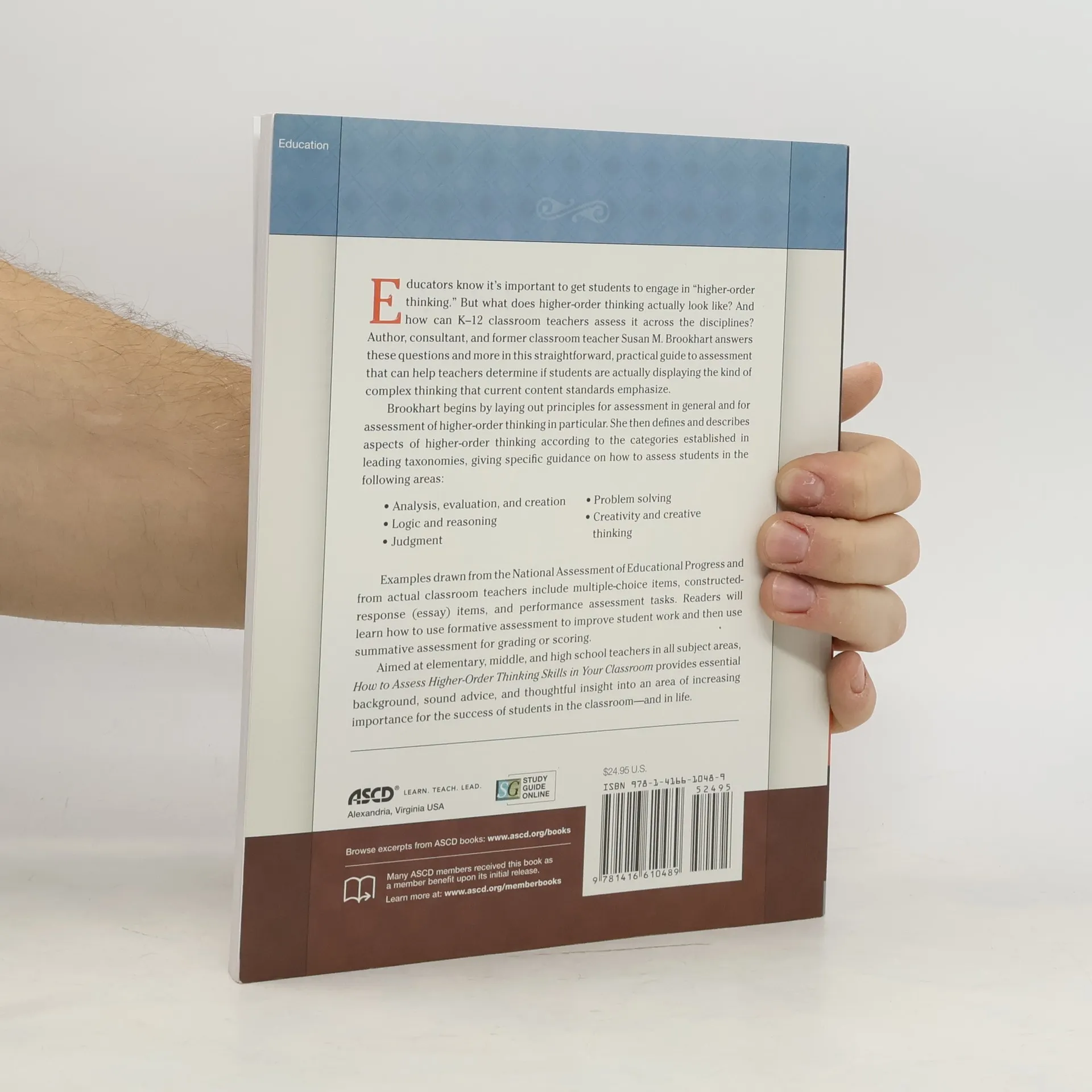
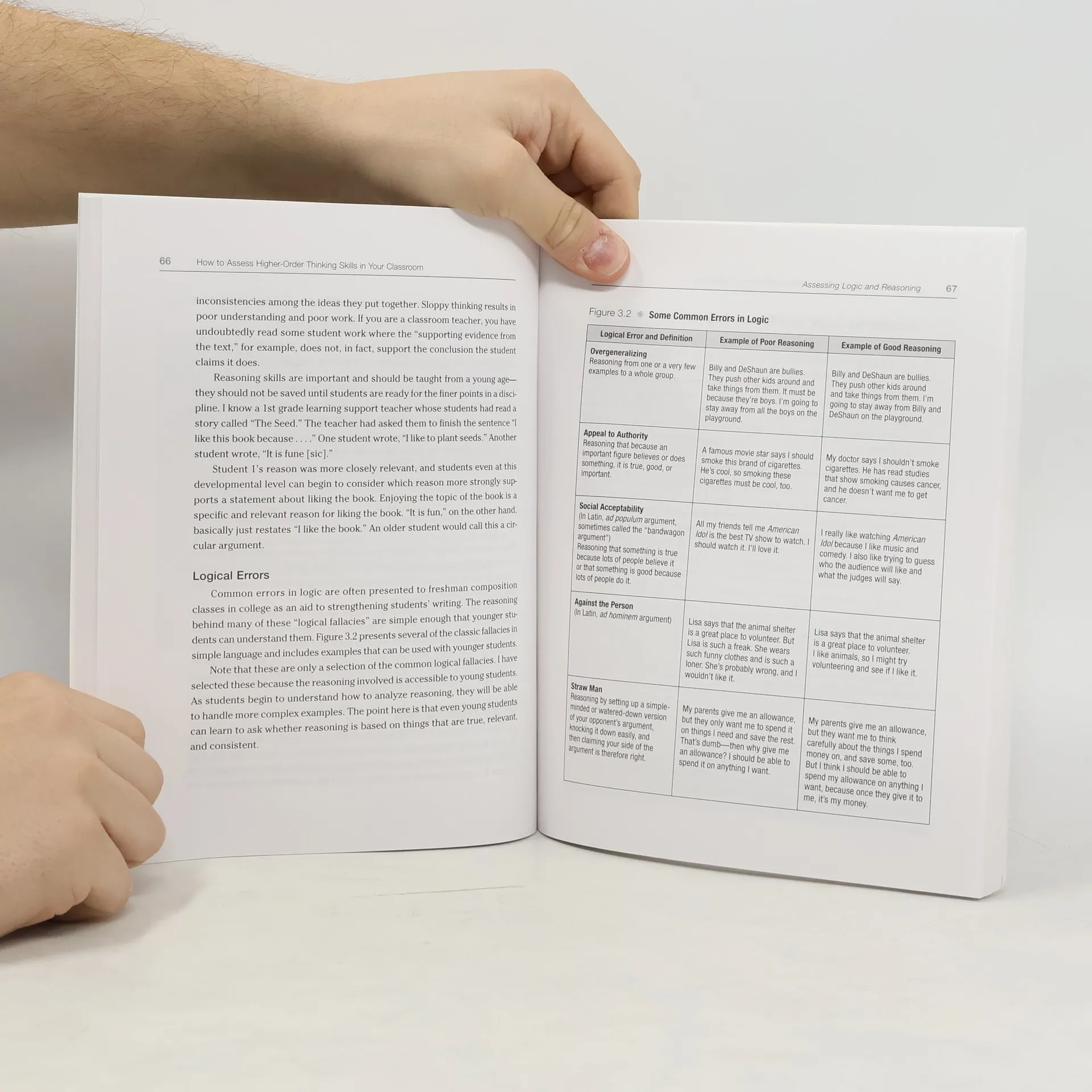
Educators recognize the significance of engaging students in higher-order thinking, but what does it truly entail, and how can K-12 teachers effectively assess it across various subjects? In this practical guide, author and former teacher Susan M. Brookhart addresses these critical questions. She outlines assessment principles and delves into the specifics of higher-order thinking, referencing established taxonomies. Brookhart provides concrete guidance on assessing key areas, including analysis, evaluation, creation, logic, reasoning, judgment, problem solving, and creativity. The book features examples from the National Assessment of Educational Progress and real classroom scenarios, showcasing multiple-choice items, constructed-response tasks, and performance assessments. Readers will discover how to utilize formative assessments to enhance student work and implement summative assessments for grading purposes. Targeted at elementary, middle, and high school teachers across all disciplines, this resource offers essential insights and practical advice, emphasizing the growing importance of higher-order thinking for student success both in the classroom and beyond.
Zakup książki
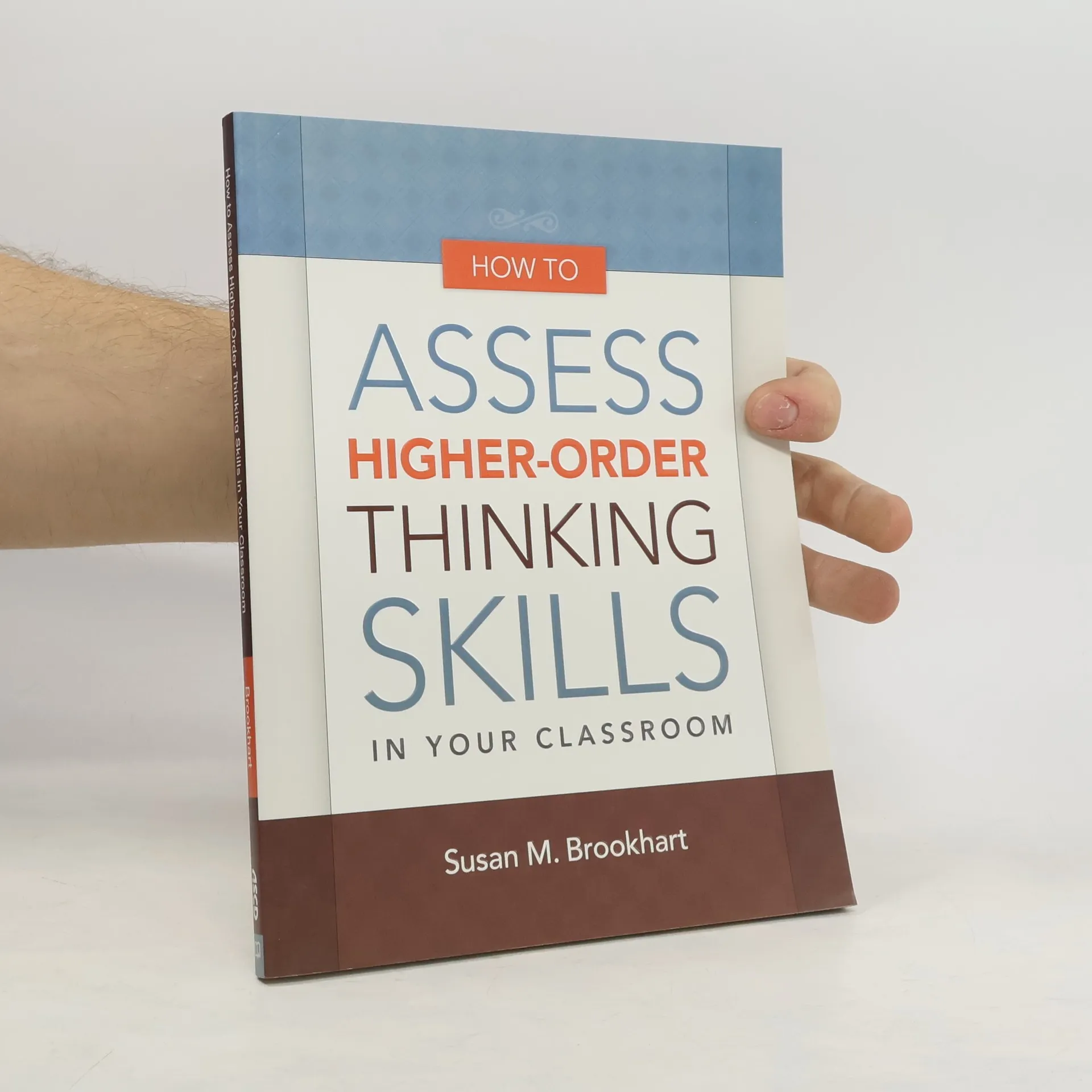
How to Assess Higher-Order Thinking Skills in Your Classroom, Susan M. Brookhart
- Język

- Rok wydania
- 2010
- Oprawa
- (miękka)
Metody płatności
Brakuje nam tutaj Twojej recenzji.
- Tytuł
- How to Assess Higher-Order Thinking Skills in Your Classroom
- Język
- angielski
- Autorzy
- Susan M. Brookhart
- Wydawca
- ASCD
- Rok wydania
- 2010
- Oprawa
- miękka
- Liczba stron
- 159
- ISBN10
- 1416610480
- ISBN13
- 9781416610489
- Seria
- Kategorie
- Ocena
- 3,7 z 5
- Opis
- Educators recognize the significance of engaging students in higher-order thinking, but what does it truly entail, and how can K-12 teachers effectively assess it across various subjects? In this practical guide, author and former teacher Susan M. Brookhart addresses these critical questions. She outlines assessment principles and delves into the specifics of higher-order thinking, referencing established taxonomies. Brookhart provides concrete guidance on assessing key areas, including analysis, evaluation, creation, logic, reasoning, judgment, problem solving, and creativity. The book features examples from the National Assessment of Educational Progress and real classroom scenarios, showcasing multiple-choice items, constructed-response tasks, and performance assessments. Readers will discover how to utilize formative assessments to enhance student work and implement summative assessments for grading purposes. Targeted at elementary, middle, and high school teachers across all disciplines, this resource offers essential insights and practical advice, emphasizing the growing importance of higher-order thinking for student success both in the classroom and beyond.