

Więcej o książce
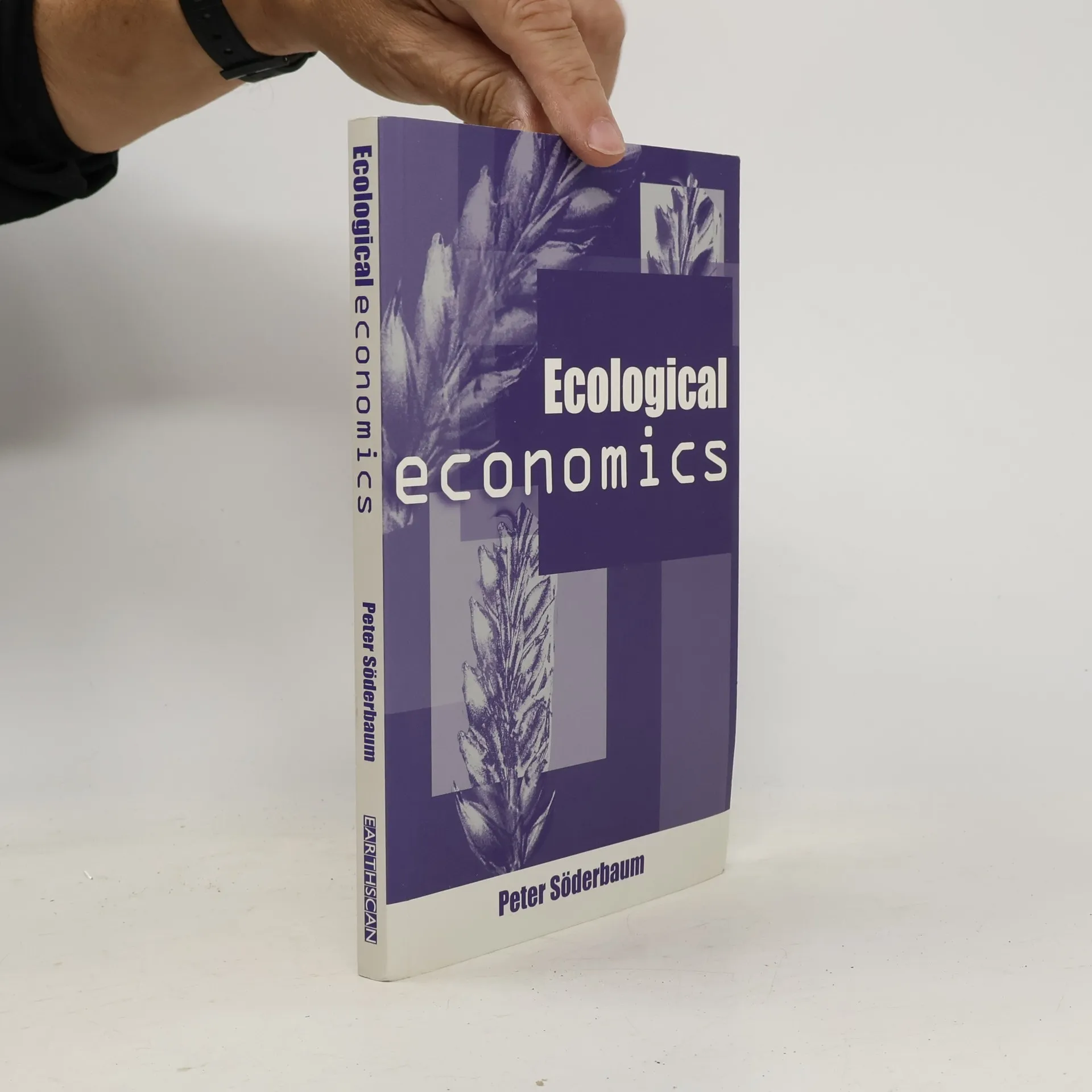
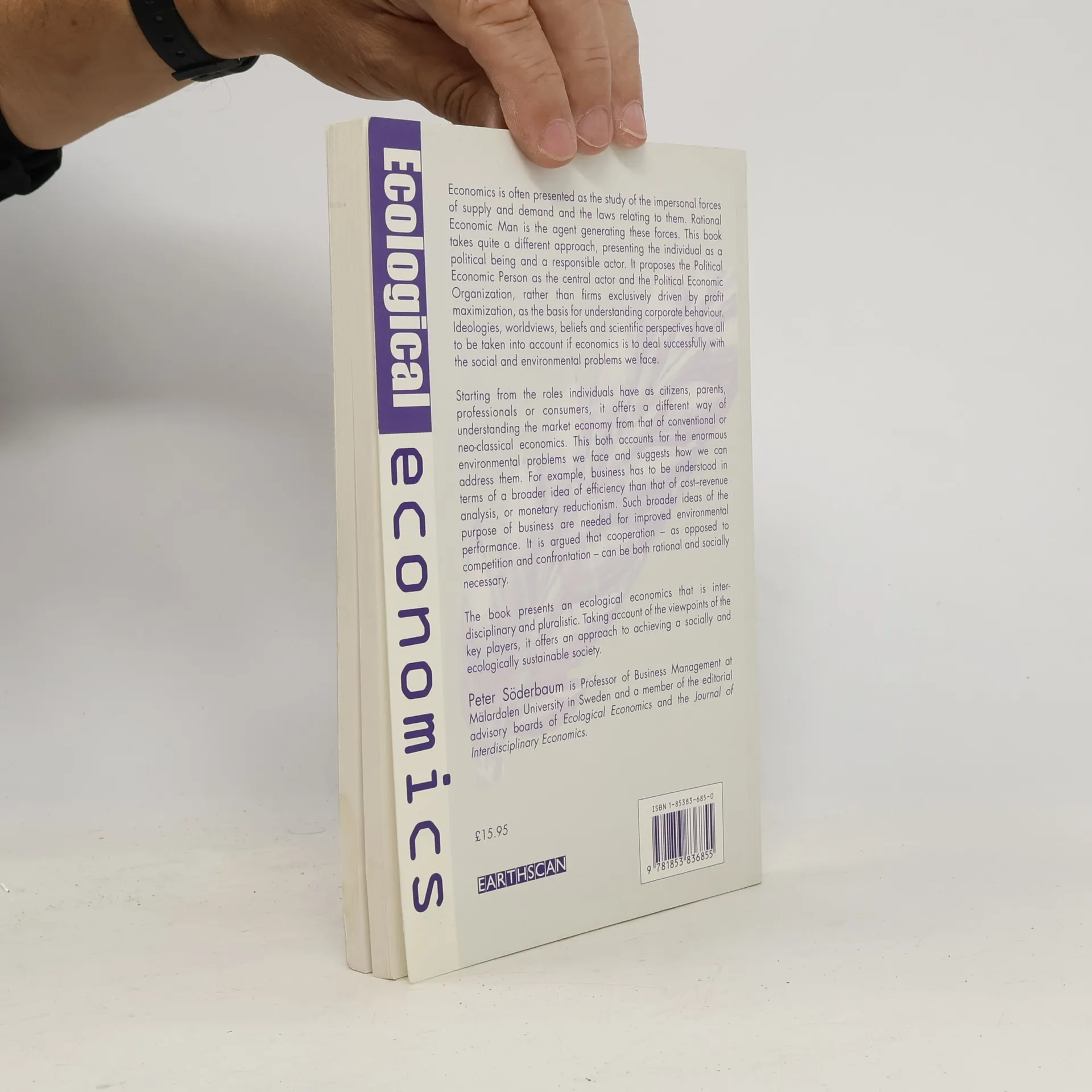
Ecological economics seeks to socially construct a political economics which will deal successfully with environmental problems and make the individual more visible in economic analysis. The author describes the principles, strategies and instruments of social change for key players - governmental agencies, business corporations, environmental and religious organizations and universities - and underlines their responsibilities in the market economy. Peter Soderbaum emphasizes the need to articulate ideologies, worldviews, ethics and related scientific perspectives as part of economics, and the importance of pluralism and democratic decision making. His account of the theories and means that will brings us closer to a sustainable society consider tools such as environmental impact assessment (EIA) and describes success indicators such as environmental labelling and environmental management systems (EMS). It highlights strategies and policies that facilitate social change and sets out future agendas for the individual actors in political economics.
Zakup książki
Ecological Economics, Peter Söderbaum
- Język

- Rok wydania
- 2000
- Oprawa
- (miękka)
Metody płatności
Brakuje nam tutaj Twojej recenzji.
- Tytuł
- Ecological Economics
- Język
- angielski
- Autorzy
- Peter Söderbaum
- Wydawca
- Routledge
- Rok wydania
- 2000
- Oprawa
- miękka
- Liczba stron
- 224
- ISBN10
- 1853836850
- ISBN13
- 9781853836855
- Seria
- Tagi
- Biznes
- Ocena
- 4 z 5
- Opis
- Ecological economics seeks to socially construct a political economics which will deal successfully with environmental problems and make the individual more visible in economic analysis. The author describes the principles, strategies and instruments of social change for key players - governmental agencies, business corporations, environmental and religious organizations and universities - and underlines their responsibilities in the market economy. Peter Soderbaum emphasizes the need to articulate ideologies, worldviews, ethics and related scientific perspectives as part of economics, and the importance of pluralism and democratic decision making. His account of the theories and means that will brings us closer to a sustainable society consider tools such as environmental impact assessment (EIA) and describes success indicators such as environmental labelling and environmental management systems (EMS). It highlights strategies and policies that facilitate social change and sets out future agendas for the individual actors in political economics.