

Więcej o książce
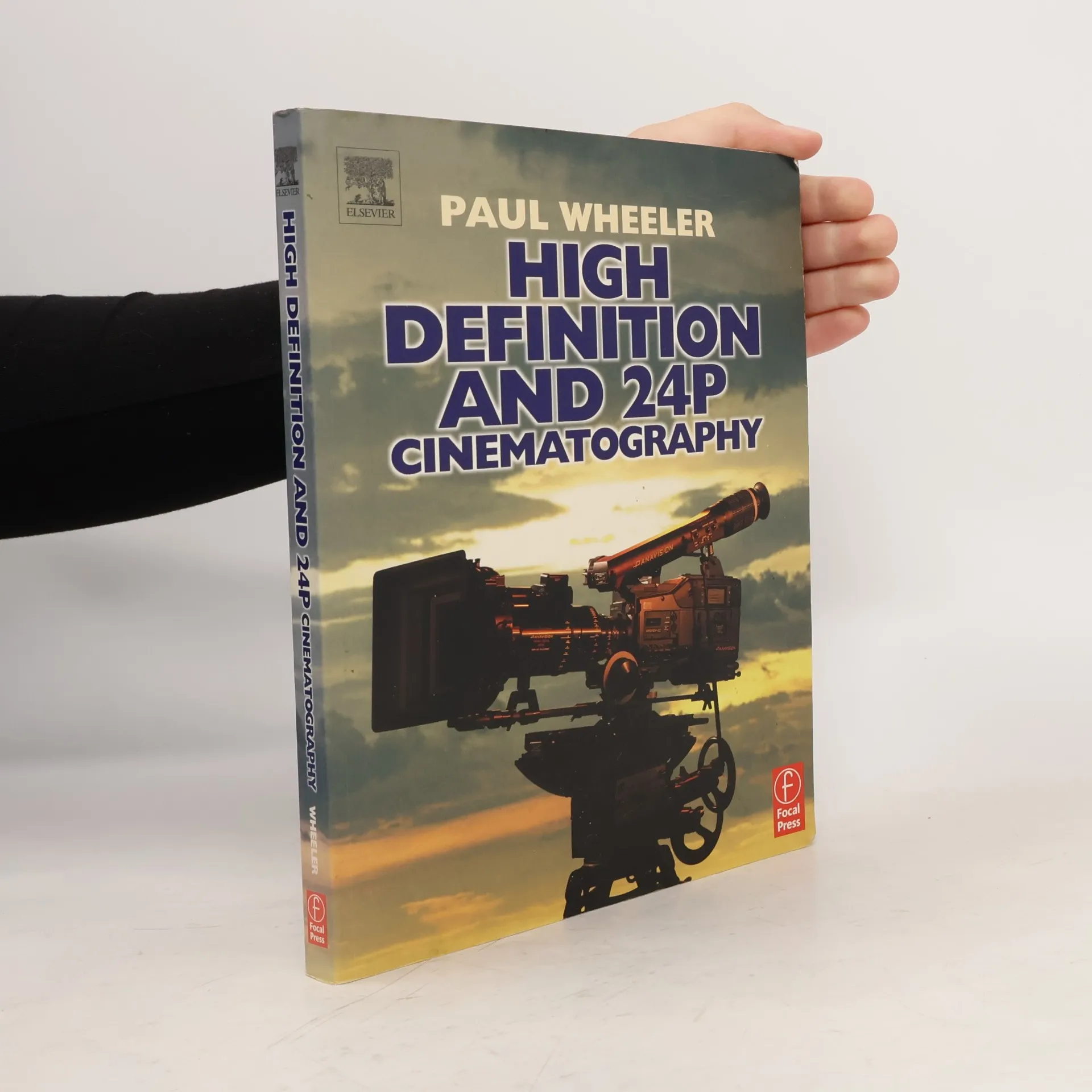
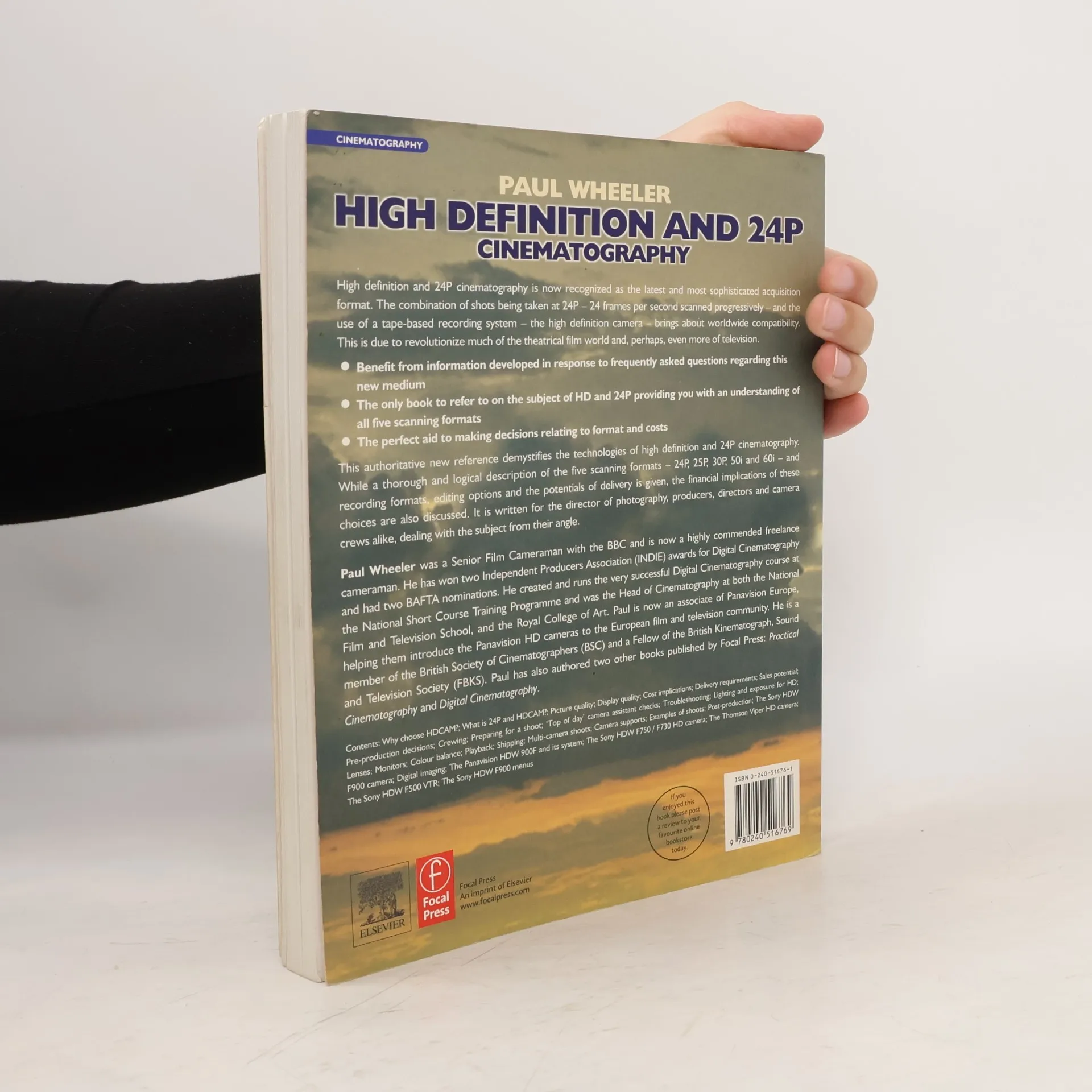
This authoritative new reference demystifies the technologies of high definition and 24P cinematography. It is written for the director of photography, camera crew and producer or director and deals with the subject from their point of view. It provides a thorough and logical description of the five scanning formats 24P, 25P, 30P, 50i and 60i as well as recording formats, editing options, delivery potential and discussions on the financial implications theses decisions might have.It looks at comparative costs between different decisions surrounding camera formats, such as 16mm to 35mm shooting for different examples, such as a 100-minute low budget movie or 30 second commercial. There is also considerable discussion on the advantages and disadvantages of using HD versus film, seen from a producer's perspective and what the impact is on all those involved in making a movie. Different delivery systems and camera equipment are discussed as well as editing.Filled with practical advice for tackling everyday decisions and choices, this is a must-have guide for anyone using or considering using high definition technology.
Zakup książki
High Definition and 24P Cinematography, Paul Wheeler
- Język

- Rok wydania
- 2003
- Oprawa
- (miękka),
- Stan książki
- Dobry
- Cena
- 8,79 zł
Metody płatności
Brakuje nam tutaj Twojej recenzji.
- Tytuł
- High Definition and 24P Cinematography
- Język
- angielski
- Autorzy
- Paul Wheeler
- Wydawca
- Focal Press
- Rok wydania
- 2003
- Oprawa
- miękka
- Liczba stron
- 240
- ISBN10
- 0240516761
- ISBN13
- 9780240516769
- Seria
- Ocena
- 3,9 z 5
- Opis
- This authoritative new reference demystifies the technologies of high definition and 24P cinematography. It is written for the director of photography, camera crew and producer or director and deals with the subject from their point of view. It provides a thorough and logical description of the five scanning formats 24P, 25P, 30P, 50i and 60i as well as recording formats, editing options, delivery potential and discussions on the financial implications theses decisions might have.It looks at comparative costs between different decisions surrounding camera formats, such as 16mm to 35mm shooting for different examples, such as a 100-minute low budget movie or 30 second commercial. There is also considerable discussion on the advantages and disadvantages of using HD versus film, seen from a producer's perspective and what the impact is on all those involved in making a movie. Different delivery systems and camera equipment are discussed as well as editing.Filled with practical advice for tackling everyday decisions and choices, this is a must-have guide for anyone using or considering using high definition technology.