


Więcej o książce
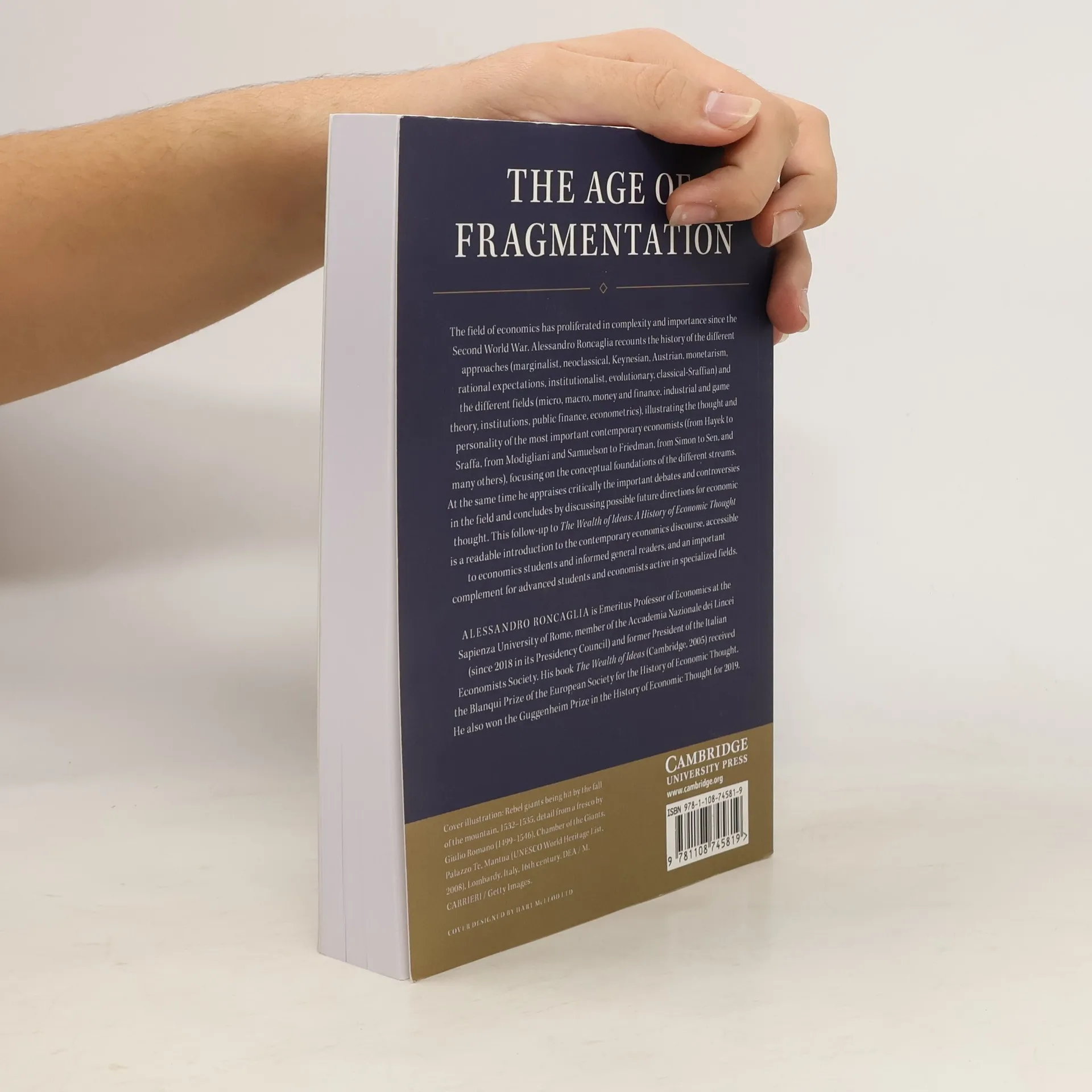
The field of economics has proliferated in complexity and importance since the Second World War. Alessandro Roncaglia recounts the history of the different approaches (marginalist, neoclassical, Keynesian, Austrian, monetarism, rational expectations, institutionalist, evolutionary, classical-Sraffian) and the different fields (micro, macro, money and finance, industrial and game theory, institutions, public finance, econometrics), illustrating the thought and personality of the most important contemporary economists (from Hayek to Sraffa, from Modigliani and Samuelson to Friedman, from Simon to Sen, and many others), focusing on the conceptual foundations of the different streams. At the same time he appraises critically the important debates and controversies in the field and concludes by discussing possible future directions for economic thought. This follow-up to The Wealth of Ideas: A History of Contemporary Economic Thought is a readable introduction to the contemporary economics discourse, accessible to economics students and informed general readers, and an important complement for advanced students and economists active in specialized fields.
Zakup książki
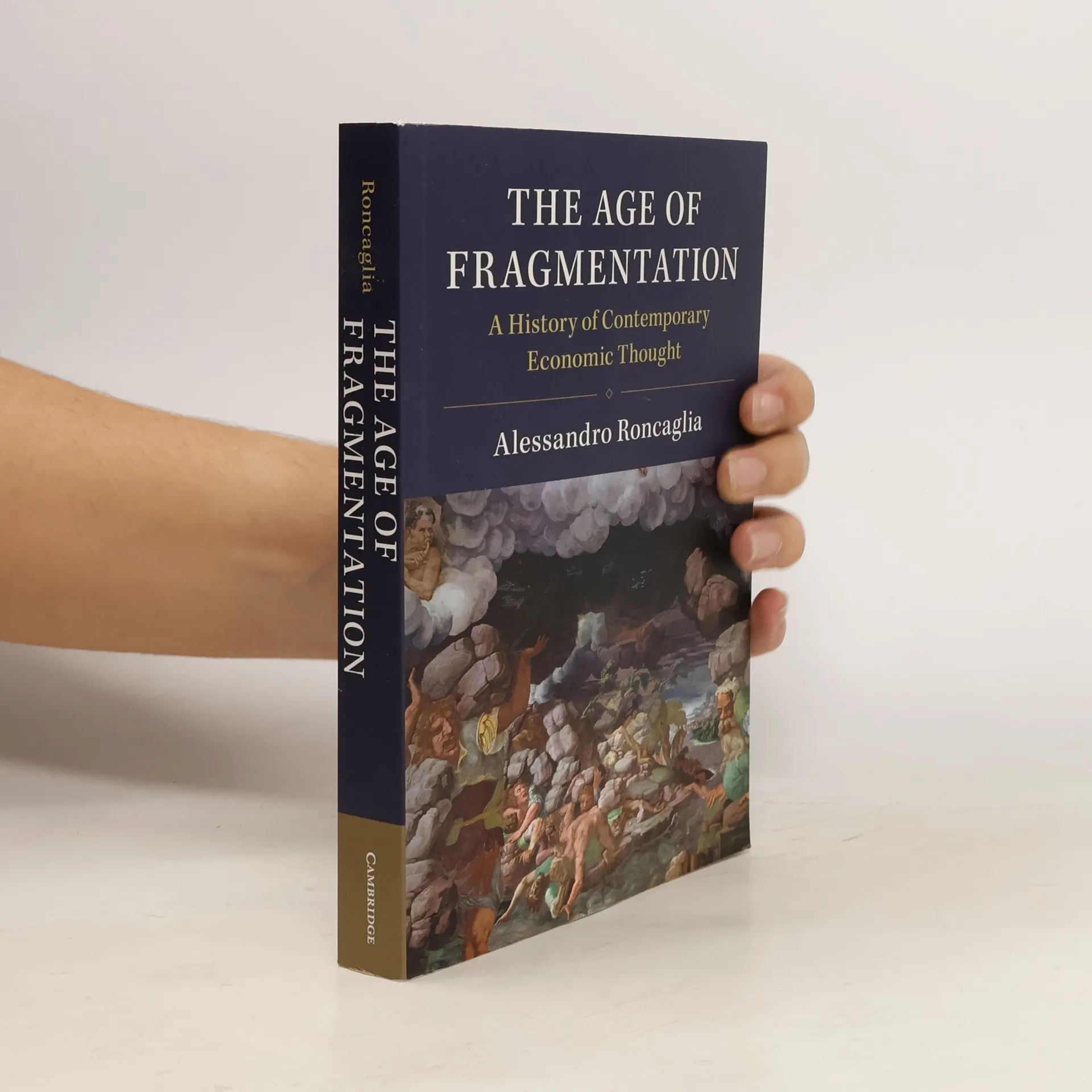
The Age of Fragmentation, Alessandro Roncaglia
- Język

- Rok wydania
- 2019
- Oprawa
- (miękka)
Metody płatności
Nikt jeszcze nie ocenił.
- Tytuł
- The Age of Fragmentation
- Podtytuł
- A History of Contemporary Economic Thought
- Język
- angielski
- Autorzy
- Alessandro Roncaglia
- Wydawca
- Cambridge University Press
- Rok wydania
- 2019
- Oprawa
- miękka
- Liczba stron
- 442
- ISBN10
- 1108745814
- ISBN13
- 9781108745819
- Seria
- Tagi
- Biznes
- Opis
- The field of economics has proliferated in complexity and importance since the Second World War. Alessandro Roncaglia recounts the history of the different approaches (marginalist, neoclassical, Keynesian, Austrian, monetarism, rational expectations, institutionalist, evolutionary, classical-Sraffian) and the different fields (micro, macro, money and finance, industrial and game theory, institutions, public finance, econometrics), illustrating the thought and personality of the most important contemporary economists (from Hayek to Sraffa, from Modigliani and Samuelson to Friedman, from Simon to Sen, and many others), focusing on the conceptual foundations of the different streams. At the same time he appraises critically the important debates and controversies in the field and concludes by discussing possible future directions for economic thought. This follow-up to The Wealth of Ideas: A History of Contemporary Economic Thought is a readable introduction to the contemporary economics discourse, accessible to economics students and informed general readers, and an important complement for advanced students and economists active in specialized fields.