

Więcej o książce
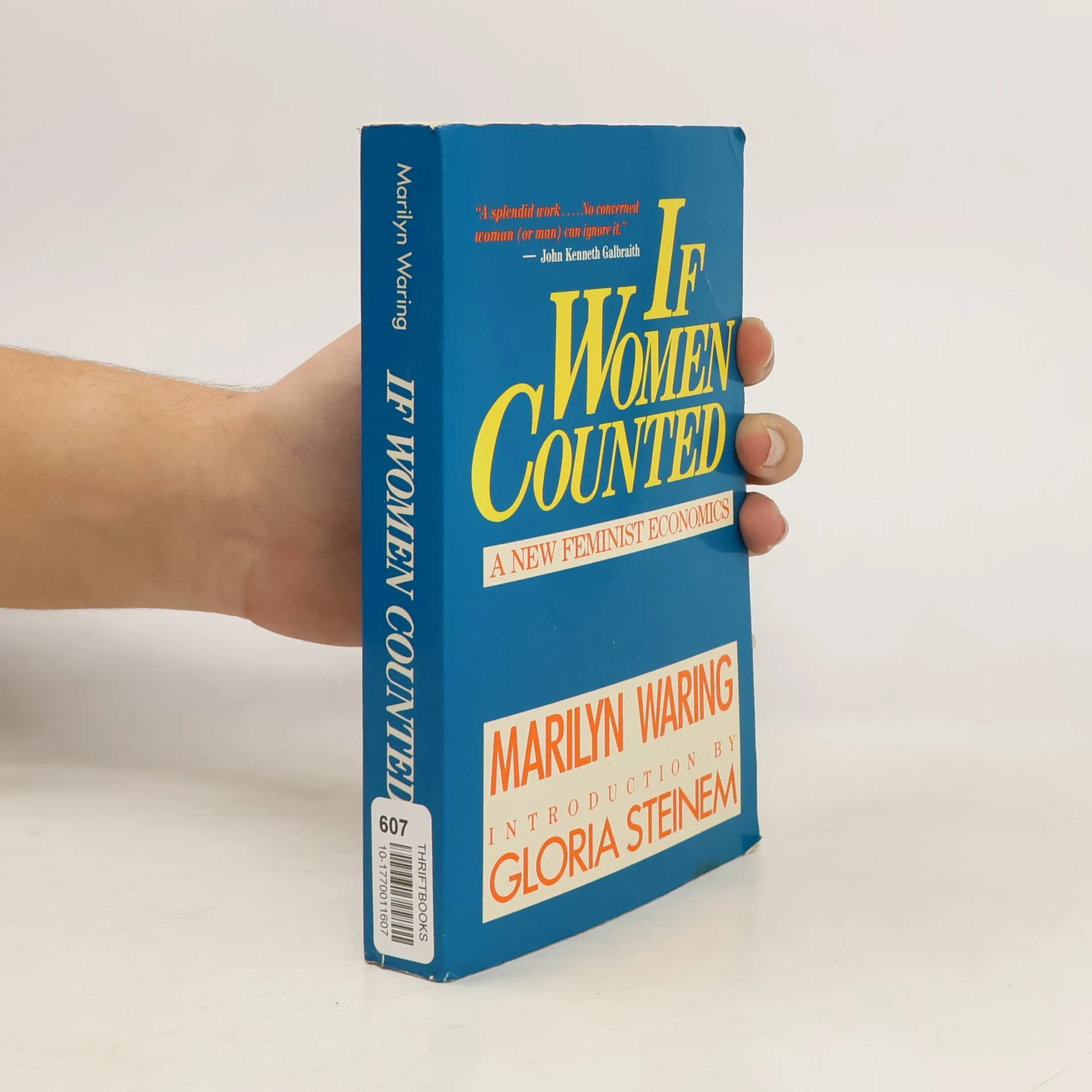
Safe drinking water and a pollution-free environment hold little value in the current economic accounting system, which also marginalizes women as 'non-producers.' Marilyn Waring, a former New Zealand M.P. and now a professor and development consultant, critiques this gender bias in the calculation of national wealth. She highlights how issues like nuclear warfare, environmental conservation, and poverty are excluded from traditional economic value assessments. Consequently, public policy, shaped by these flawed accounting methods, often neglects the environment and half of the global population. Originally published in 1988, this classic feminist analysis has been updated in this reprinted edition, featuring a new introduction by Waring. In her introduction, she revisits and expands upon the original chapters, providing updated information and examples. With an accessible and often humorous tone, Waring explains the shortcomings of current economic systems and outlines strategies to ensure that both environmental significance and women's labor contributions are recognized and valued.
Zakup książki
If Women Counted, Marilyn Waring, Gloria Steinem
- Język

- Rok wydania
- 1990
- Oprawa
- (miękka)
Metody płatności
Brakuje nam tutaj Twojej recenzji.
- Tytuł
- If Women Counted
- Podtytuł
- A New Feminist Economics
- Język
- angielski
- Autorzy
- Marilyn Waring, Gloria Steinem
- Wydawca
- HarperCollins
- Rok wydania
- 1990
- Oprawa
- miękka
- ISBN10
- 0062509403
- ISBN13
- 9780062509406
- Seria
- Ocena
- 4,6 z 5
- Opis
- Safe drinking water and a pollution-free environment hold little value in the current economic accounting system, which also marginalizes women as 'non-producers.' Marilyn Waring, a former New Zealand M.P. and now a professor and development consultant, critiques this gender bias in the calculation of national wealth. She highlights how issues like nuclear warfare, environmental conservation, and poverty are excluded from traditional economic value assessments. Consequently, public policy, shaped by these flawed accounting methods, often neglects the environment and half of the global population. Originally published in 1988, this classic feminist analysis has been updated in this reprinted edition, featuring a new introduction by Waring. In her introduction, she revisits and expands upon the original chapters, providing updated information and examples. With an accessible and often humorous tone, Waring explains the shortcomings of current economic systems and outlines strategies to ensure that both environmental significance and women's labor contributions are recognized and valued.