

Więcej o książce
Winner of the 1994 Nobel Prize for Literature, Kenzaburō Ōe is a significant international voice. In this narrative, Ōe explores how our real and imagined pasts shape our lives, taking readers from the forests of southern Japan to the streets of Berlin. The story centers on Kogito Choko, a writer in his sixties who reconnects with his estranged brother-in-law, filmmaker Goro Hanawa. Their correspondence includes a trunk of tapes Goro recorded, reflecting on their youth and estrangement. One evening, Kogito hears Goro say, "I'm going to head over to the Other Side now," followed by a thud, before Goro reassures him that he will continue to communicate. Later, Kogito learns that Goro has jumped to his death from his production company's rooftop, an event that profoundly impacts Kogito and propels him on a quest to understand his late brother-in-law. This journey takes him from Japan to Berlin and back to the rural island of his youth, where he and Goro were involved in a right-wing paramilitary group during the early Occupation of Japan. Their ill-fated plot against an American military base forever alters their friendship. This richly textured work weaves together themes of brotherhood, loss, and artistic ambition, solidifying Ōe's status as a defining talent of our age.
Zakup książki
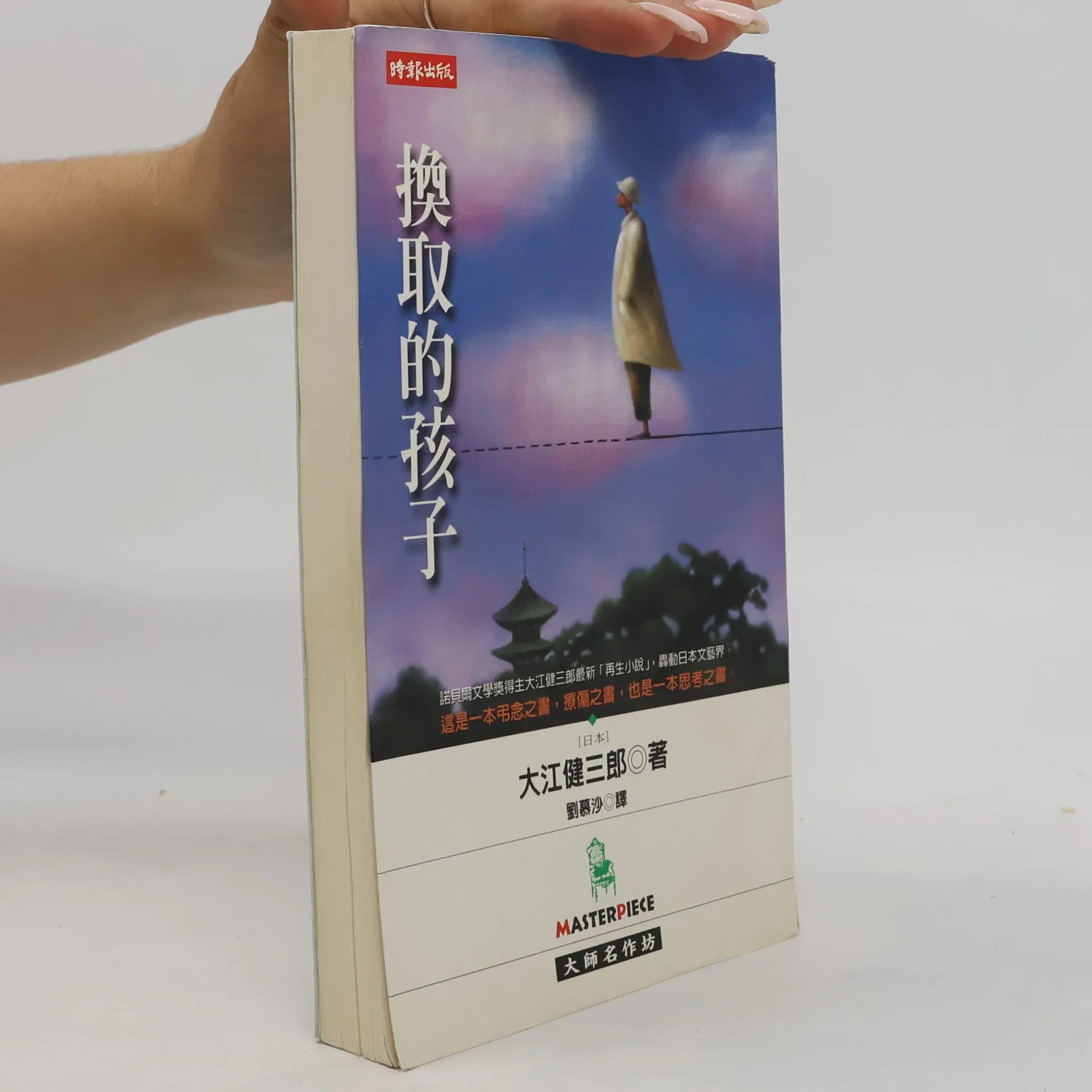
換取的孩子, Kenzaburó Óe, Liu Musha
- Język

- Rok wydania
- 2002
- Oprawa
- (miękka)
Metody płatności
Brakuje nam tutaj Twojej recenzji.
- Tytuł
- 換取的孩子
- Język
- chiński
- Autorzy
- Kenzaburó Óe, Liu Musha
- Wydawca
- 時報文化出版企業股份有限公司
- Rok wydania
- 2002
- Oprawa
- miękka
- Liczba stron
- 320
- ISBN10
- 9571336459
- ISBN13
- 9789571336459
- Seria
- Kategorie
- Ocena
- 3,75 z 5
- Opis
- Winner of the 1994 Nobel Prize for Literature, Kenzaburō Ōe is a significant international voice. In this narrative, Ōe explores how our real and imagined pasts shape our lives, taking readers from the forests of southern Japan to the streets of Berlin. The story centers on Kogito Choko, a writer in his sixties who reconnects with his estranged brother-in-law, filmmaker Goro Hanawa. Their correspondence includes a trunk of tapes Goro recorded, reflecting on their youth and estrangement. One evening, Kogito hears Goro say, "I'm going to head over to the Other Side now," followed by a thud, before Goro reassures him that he will continue to communicate. Later, Kogito learns that Goro has jumped to his death from his production company's rooftop, an event that profoundly impacts Kogito and propels him on a quest to understand his late brother-in-law. This journey takes him from Japan to Berlin and back to the rural island of his youth, where he and Goro were involved in a right-wing paramilitary group during the early Occupation of Japan. Their ill-fated plot against an American military base forever alters their friendship. This richly textured work weaves together themes of brotherhood, loss, and artistic ambition, solidifying Ōe's status as a defining talent of our age.