



Więcej o książce
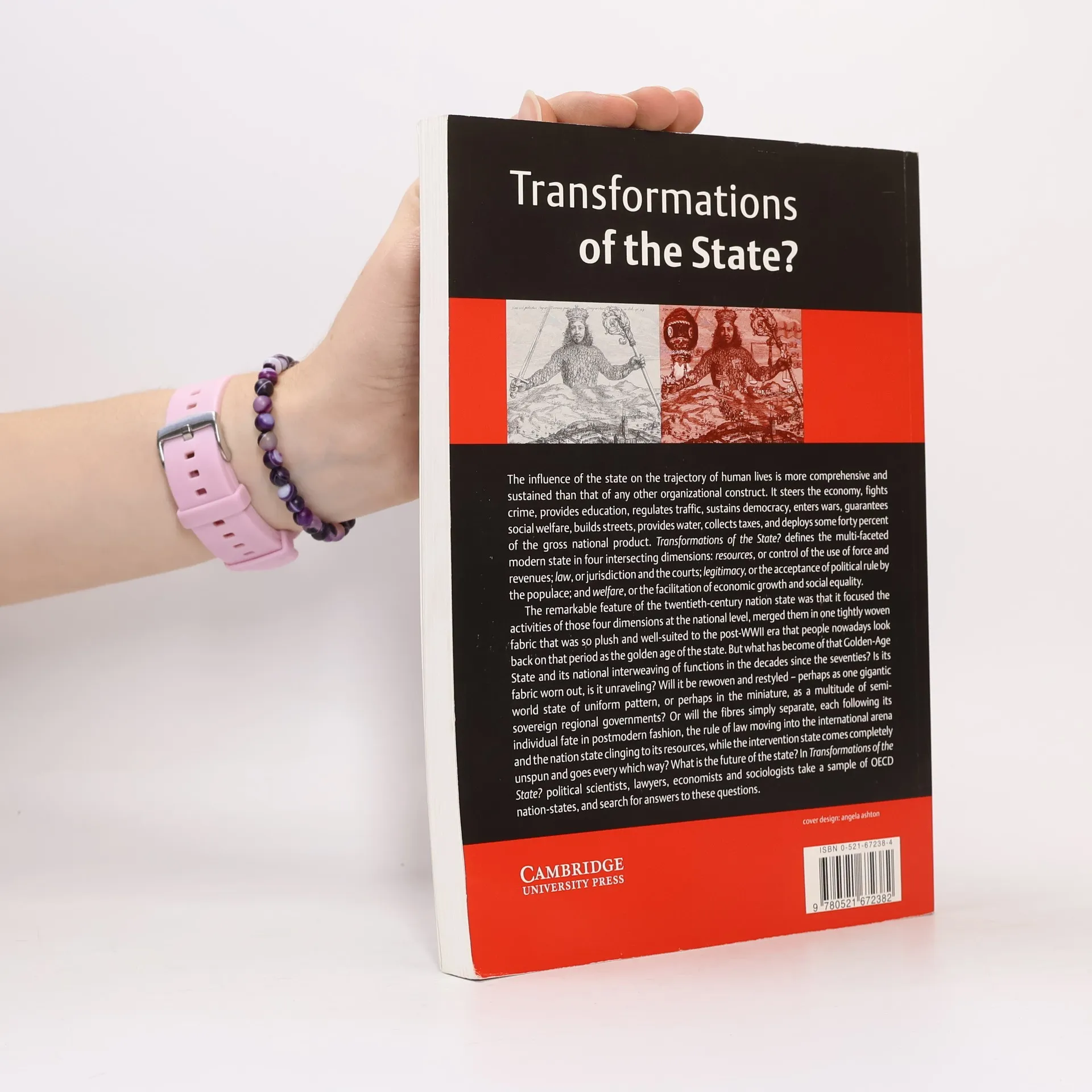
The influence of the state on human lives is more comprehensive and sustained than that of any other organizational construct. It steers the economy, fights crime, provides education, sustains democracy, enters wars, guarantees social welfare, collects taxes, and deploys some forty percent of the gross national product. Transformations of the State? defines the multi-faceted modern state in four intersecting resources, or control of the use of force and revenues; law, or jurisdiction and the courts; legitimacy, or the acceptance of political rule by the populace; and welfare, or the facilitation of economic growth and social equality. The twentieth-century nation-state blended those dimensions and turned the post-WWII era into the golden age of the state. What has become of that state and its functions and what is its future? Political scientists, lawyers, economists and sociologists have examined a sample of OECD nation-states in the search for answers to these questions.
Zakup książki
Transformations of the State?, Stephan Leibfried, Michael Zürn
- Język

- Rok wydania
- 2005
- Oprawa
- (miękka)
Metody płatności
Nikt jeszcze nie ocenił.
- Tytuł
- Transformations of the State?
- Język
- angielski
- Autorzy
- Stephan Leibfried, Michael Zürn
- Wydawca
- Cambridge University Press
- Rok wydania
- 2005
- Oprawa
- miękka
- Liczba stron
- 232
- ISBN10
- 0521672384
- ISBN13
- 9780521672382
- Seria
- Tagi
- Biznes
- Opis
- The influence of the state on human lives is more comprehensive and sustained than that of any other organizational construct. It steers the economy, fights crime, provides education, sustains democracy, enters wars, guarantees social welfare, collects taxes, and deploys some forty percent of the gross national product. Transformations of the State? defines the multi-faceted modern state in four intersecting resources, or control of the use of force and revenues; law, or jurisdiction and the courts; legitimacy, or the acceptance of political rule by the populace; and welfare, or the facilitation of economic growth and social equality. The twentieth-century nation-state blended those dimensions and turned the post-WWII era into the golden age of the state. What has become of that state and its functions and what is its future? Political scientists, lawyers, economists and sociologists have examined a sample of OECD nation-states in the search for answers to these questions.