

Więcej o książce
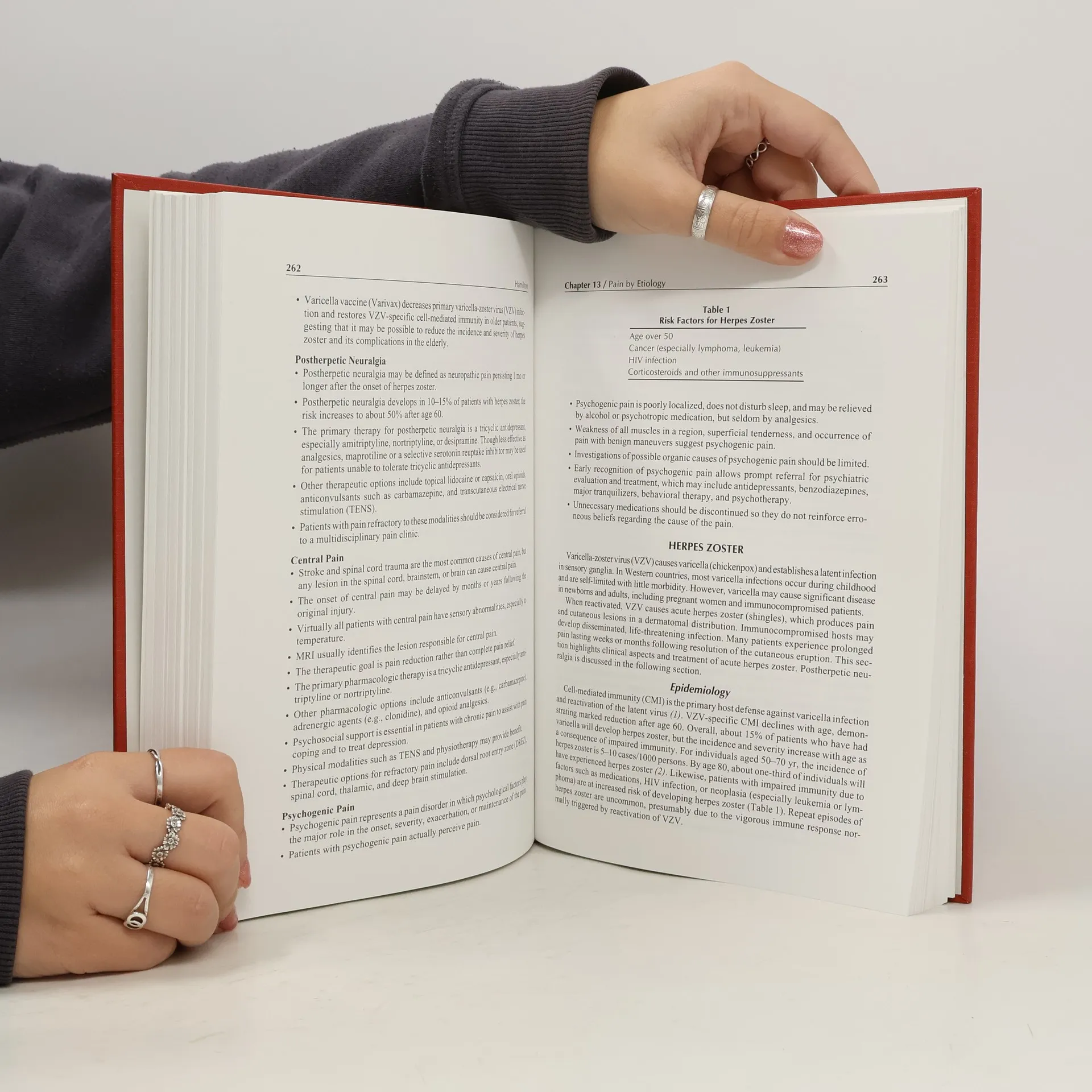
Those who do not feel pain seldom think that it is felt. SAMUEL JoHNSON, The Rambler, no. 48 (September 1, 1750) Who among us has not experienced the suffering of a patient with chronic disease, who in addition to the vicissitudes of fatigue, anxiety, and frustration, must also deal with the suffering of pain? Who among us has not considered, and then reconsidered, whether a patient's complaints are worthy of a narcotic and thence worried about the social and legal implications of chronic use? Who among us has not refused pain medications to our patients for fear that use was turning into abuse? Finally, who among us would not have liked a clinical guide to a myriad of syndromes, all of which have pain as their common denominator, in the hopes of developing some strategy to prioritize treatment. Our purpose in preparing The Pain Management Handbook is to provide the informa tion needed by clinicians to develop strategies that optimize pain management. It is the goal of the editors and authors that the present handbook, above all else, will be clinically useful. Its aim is to provide practical information regarding the diagnosis and treatment of disorders causing pain, along with tables and graphics to provide the busy practitioner with rapid access to relevant data.
Zakup książki
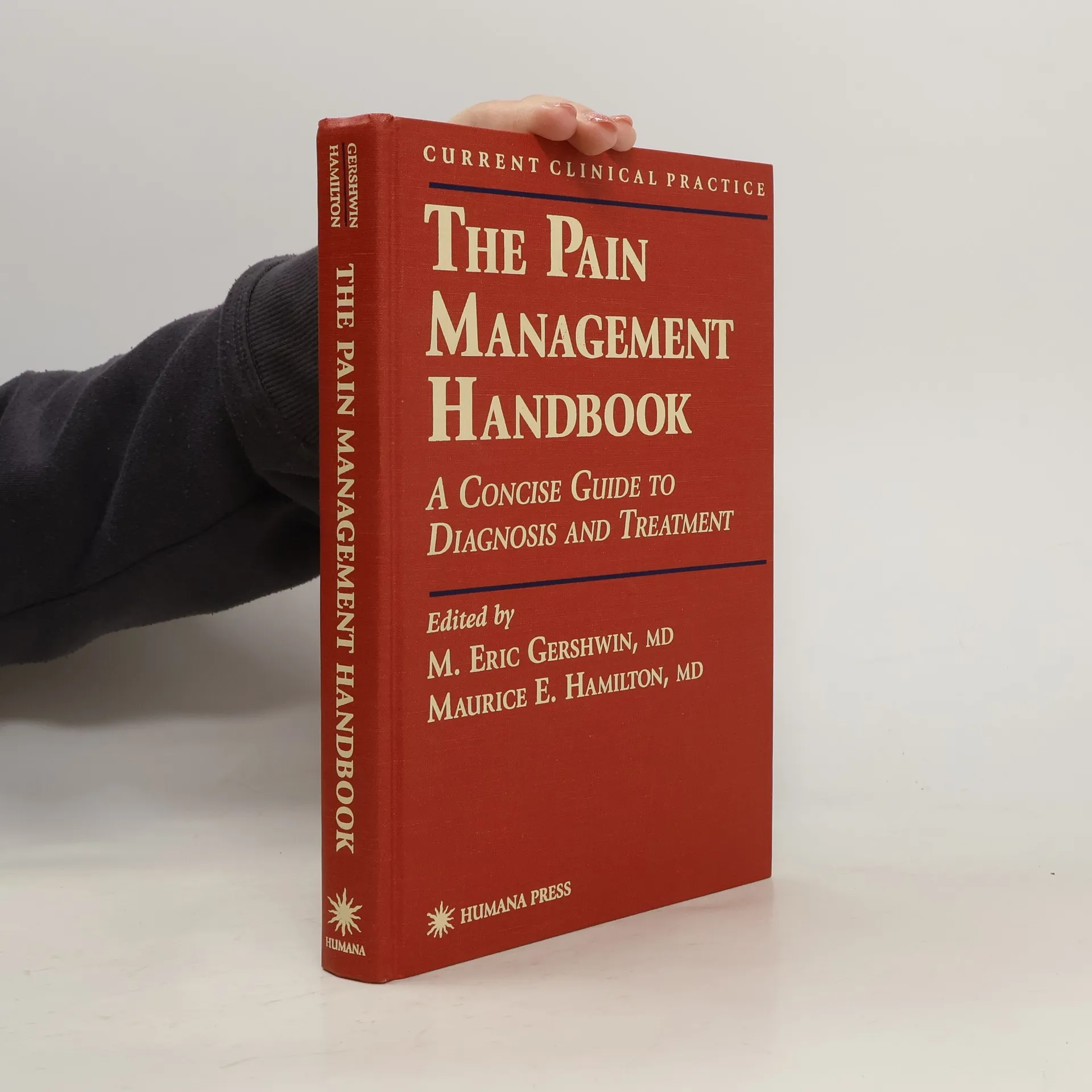
The Pain Management Handbook, M. Eric Gershwin, Maurice E. Hamilton
- Język

- Rok wydania
- 1998
- Oprawa
- (twarda)
Metody płatności
Nikt jeszcze nie ocenił.
- Tytuł
- The Pain Management Handbook
- Podtytuł
- A Concise Guide to Diagnosis and Treatment
- Język
- angielski
- Autorzy
- M. Eric Gershwin, Maurice E. Hamilton
- Wydawca
- Humana Press
- Rok wydania
- 1998
- Oprawa
- twarda
- Liczba stron
- 379
- ISBN10
- 0896034232
- ISBN13
- 9780896034235
- Seria
- Kategorie
- Opis
- Those who do not feel pain seldom think that it is felt. SAMUEL JoHNSON, The Rambler, no. 48 (September 1, 1750) Who among us has not experienced the suffering of a patient with chronic disease, who in addition to the vicissitudes of fatigue, anxiety, and frustration, must also deal with the suffering of pain? Who among us has not considered, and then reconsidered, whether a patient's complaints are worthy of a narcotic and thence worried about the social and legal implications of chronic use? Who among us has not refused pain medications to our patients for fear that use was turning into abuse? Finally, who among us would not have liked a clinical guide to a myriad of syndromes, all of which have pain as their common denominator, in the hopes of developing some strategy to prioritize treatment. Our purpose in preparing The Pain Management Handbook is to provide the informa tion needed by clinicians to develop strategies that optimize pain management. It is the goal of the editors and authors that the present handbook, above all else, will be clinically useful. Its aim is to provide practical information regarding the diagnosis and treatment of disorders causing pain, along with tables and graphics to provide the busy practitioner with rapid access to relevant data.