

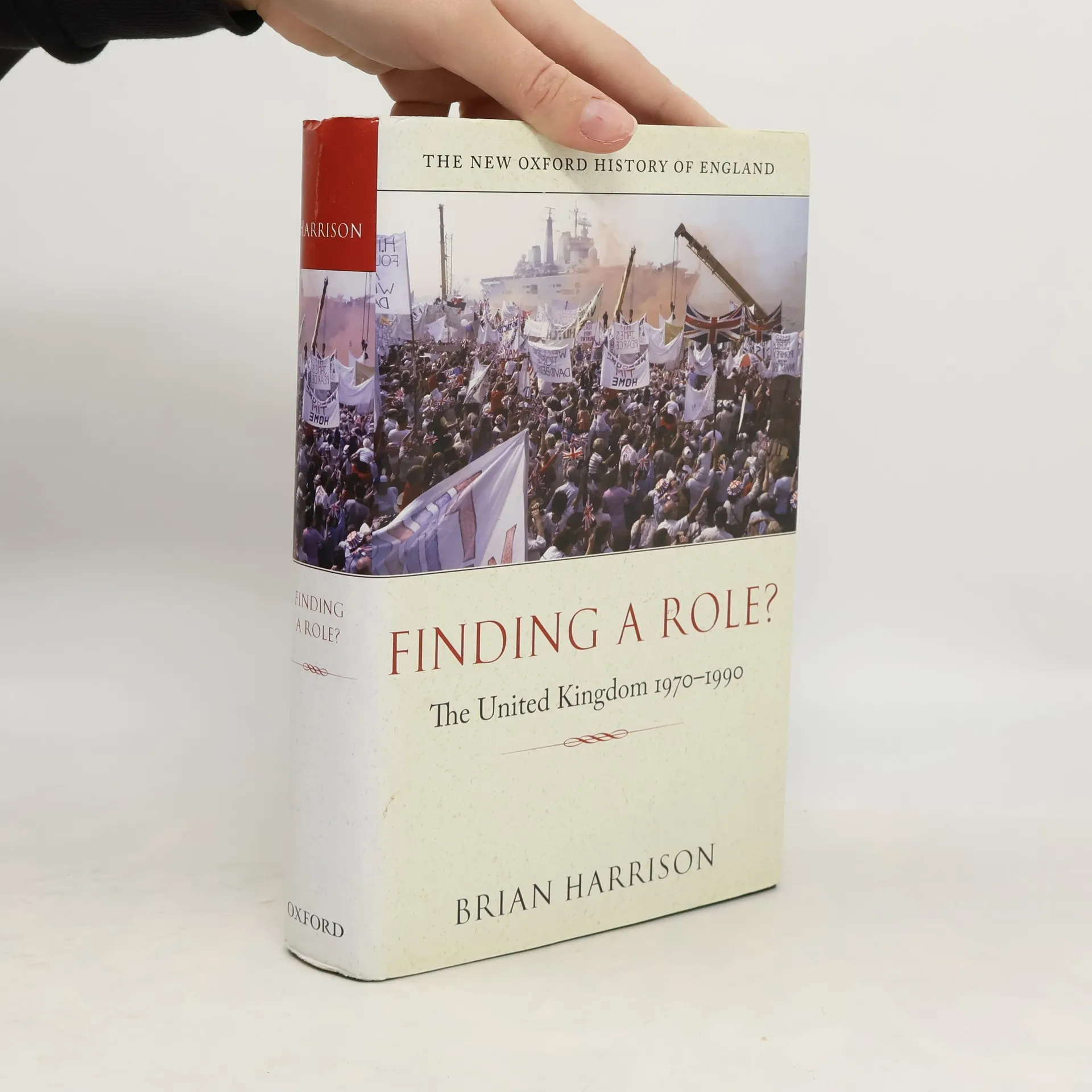
Więcej o książce
In 1970, the 'cold war' remained cold, Northern Ireland faced escalating troubles, the UK's relationship with the EEC was uncertain, and corporatist economic approaches lingered. By 1990, Communism was collapsing globally, Thatcher's economic revolution had transformed the landscape, terrorism in Northern Ireland was declining, multiculturalism had emerged, family structures were rapidly evolving, and British political institutions were under scrutiny. The book features seven analytical chapters that explore these shifts, providing detailed insights into international relations, social frameworks, family and welfare structures, economic policies, culture, and governance. The concluding chapter takes a broader chronological view to highlight the interplay between past and present, questioning how well the UK had defined its global role by 1990. Similar to Harrison's previous work covering 1951-1970, this volume includes a comprehensive chronological table and an extensive index of names and themes. It serves as the first thorough and wide-ranging study of the UK during this transformative period, aiming to illustrate the evolution of British institutions and the changing hopes, values, and experiences of its people. Ultimately, it equips readers to comprehend events post-1990 and consider the future direction of the UK.
Zakup książki
Finding a Role?, Brian Howard Harrison
- Język

- Rok wydania
- 2010
- Oprawa
- (twarda)
Metody płatności
Brakuje nam tutaj Twojej recenzji.
- Tytuł
- Finding a Role?
- Podtytuł
- The United Kingdom 1970-1990
- Język
- angielski
- Autorzy
- Brian Howard Harrison
- Wydawca
- Oxford University Press
- Rok wydania
- 2010
- Oprawa
- twarda
- Liczba stron
- 708
- ISBN10
- 0199548757
- ISBN13
- 9780199548750
- Seria
- Kategorie
- Tagi
- Tematy historyczne, Biznes, Polityka
- Ocena
- 4,65 z 5
- Opis
- In 1970, the 'cold war' remained cold, Northern Ireland faced escalating troubles, the UK's relationship with the EEC was uncertain, and corporatist economic approaches lingered. By 1990, Communism was collapsing globally, Thatcher's economic revolution had transformed the landscape, terrorism in Northern Ireland was declining, multiculturalism had emerged, family structures were rapidly evolving, and British political institutions were under scrutiny. The book features seven analytical chapters that explore these shifts, providing detailed insights into international relations, social frameworks, family and welfare structures, economic policies, culture, and governance. The concluding chapter takes a broader chronological view to highlight the interplay between past and present, questioning how well the UK had defined its global role by 1990. Similar to Harrison's previous work covering 1951-1970, this volume includes a comprehensive chronological table and an extensive index of names and themes. It serves as the first thorough and wide-ranging study of the UK during this transformative period, aiming to illustrate the evolution of British institutions and the changing hopes, values, and experiences of its people. Ultimately, it equips readers to comprehend events post-1990 and consider the future direction of the UK.