

Więcej o książce
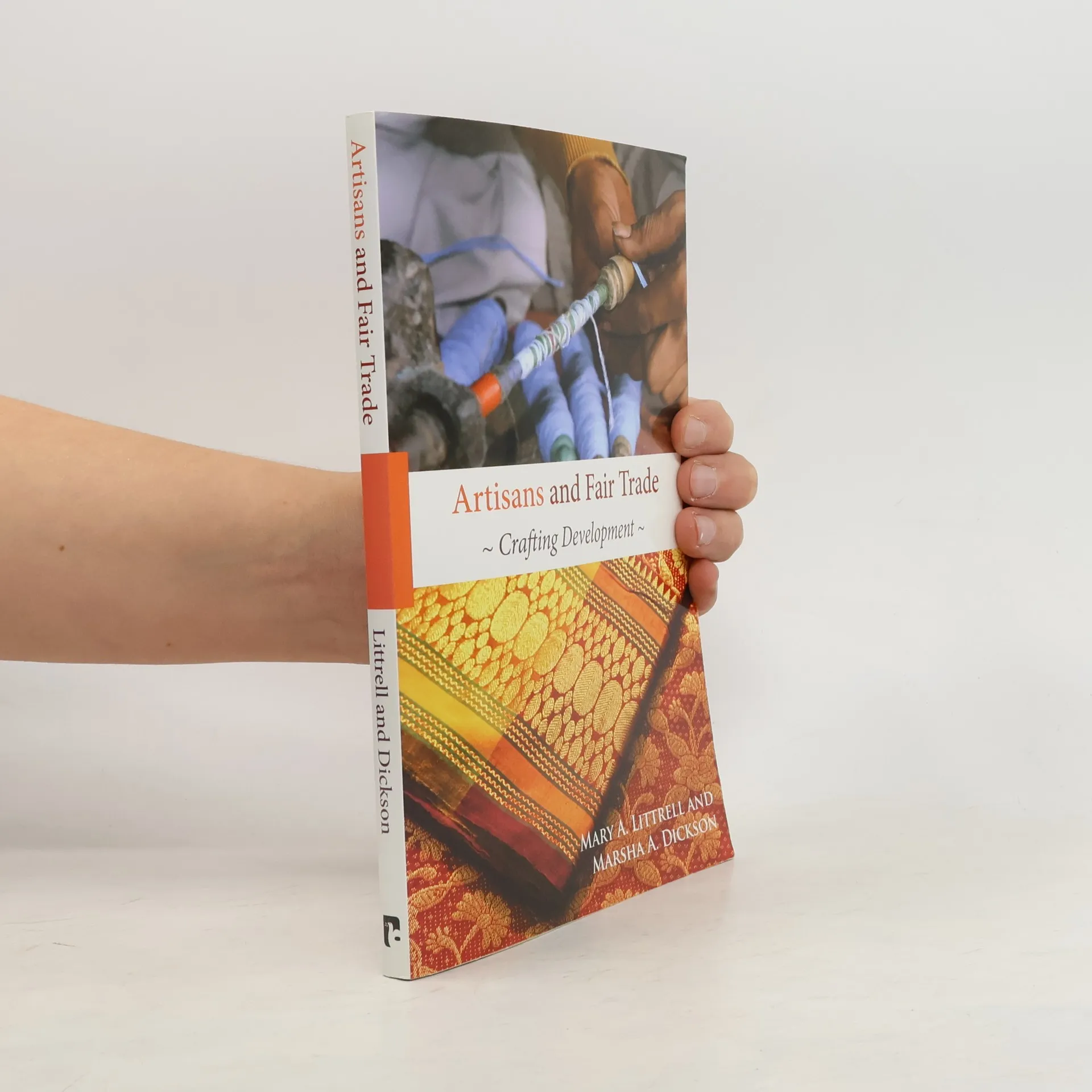
* Addresses the cultural conditions under which artisan work provides a feasible income alternative to other employment options* Offers a methodology for assessing the socio-economic impacts of fair trade artisan workAfter agriculture and tourism, artisan work provides the next most significant source of income in many developing countries. Yet because of its image as a “soft” or frivolous industry, some politicians and development professionals question whether the handcraft sector is worthy of investment. An opposing view holds that the creation of sustainable employment opportunities for poor people and a positive alternative to mass production outweighs the costs. Until now, the debate has been hampered by a lack of industry data.The apparel group Handwork of India serves as the perfect case study to provide this missing information. Like many fair trade companies, it has dual to generate income in the global marketplace and foster the empowerment of the low-income workers who run and staff the business. In conducting interviews with MarketPlace’s artisans, managers, and founders, Littrell and Dickson produced an in-depth socio-economic audit of the group over time. The result, Artisans and Fair Trade , provides a quantitatively and qualitatively illuminating study of fair trade impacts and a methodology that is sure to inform current assessment practices in social entrepreneurship and business social responsibility.
Zakup książki
Artisans and Fair Trade, Mary Ann Littrell, Marsha Ann Dickson
- Język

- Rok wydania
- 2010
- Oprawa
- (miękka)
Metody płatności
Brakuje nam tutaj Twojej recenzji.
- Tytuł
- Artisans and Fair Trade
- Podtytuł
- Crafting Development
- Język
- angielski
- Autorzy
- Mary Ann Littrell, Marsha Ann Dickson
- Wydawca
- Kumarian Press
- Rok wydania
- 2010
- Oprawa
- miękka
- Liczba stron
- 230
- ISBN10
- 1565493214
- ISBN13
- 9781565493216
- Seria
- Tagi
- Biznes
- Ocena
- 3,5 z 5
- Opis
- * Addresses the cultural conditions under which artisan work provides a feasible income alternative to other employment options* Offers a methodology for assessing the socio-economic impacts of fair trade artisan workAfter agriculture and tourism, artisan work provides the next most significant source of income in many developing countries. Yet because of its image as a “soft” or frivolous industry, some politicians and development professionals question whether the handcraft sector is worthy of investment. An opposing view holds that the creation of sustainable employment opportunities for poor people and a positive alternative to mass production outweighs the costs. Until now, the debate has been hampered by a lack of industry data.The apparel group Handwork of India serves as the perfect case study to provide this missing information. Like many fair trade companies, it has dual to generate income in the global marketplace and foster the empowerment of the low-income workers who run and staff the business. In conducting interviews with MarketPlace’s artisans, managers, and founders, Littrell and Dickson produced an in-depth socio-economic audit of the group over time. The result, Artisans and Fair Trade , provides a quantitatively and qualitatively illuminating study of fair trade impacts and a methodology that is sure to inform current assessment practices in social entrepreneurship and business social responsibility.