



Więcej o książce
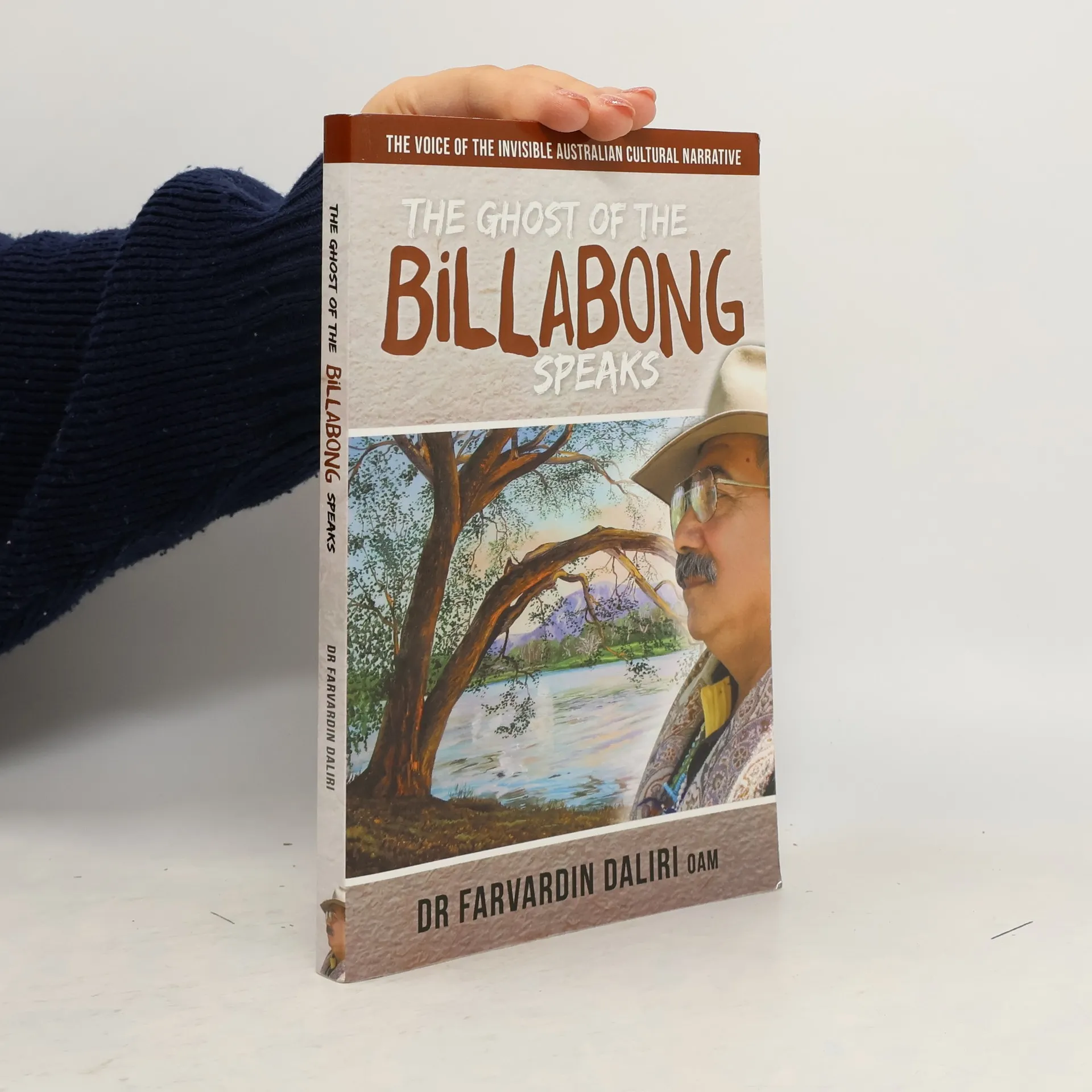
In 1984, Dr. Farvardin Daliri, OAM, chose Australia as a refuge for his family, embracing its values of social justice, equality, human rights, and democracy. This book reflects on his four decades of work in social cohesion, multiculturalism, and reconciliation, particularly in regional Australia, and highlights Townsville's Cultural Fest, an annual celebration of unity in diversity. Dr. Daliri argues for recognition of Australia's inherently inclusive culture, which he believes is often overshadowed by media and political narratives. He connects this ethos to Banjo Paterson's song, suggesting that its message embodies a unifying spirit for all who call Australia home. He critiques the current model of multiculturalism, asserting that it lacks a commitment to reconciliation and has allowed divisions to fester. By identifying gaps in contemporary multicultural discourse and policies, he offers a fresh perspective aimed at fostering common ground. Acknowledging that his views may be controversial, he feels compelled to share his insights, stating, "I love this country and will not stand by and watch the social ills I left behind emerge around my neighbourhood. Writing this book is the least that I can do."
Zakup książki
The Ghost of the Billabong Speaks, Dr Farvardin Daliri OAM
- Język

- Rok wydania
- 2016
- Oprawa
- (miękka)
Metody płatności
Nikt jeszcze nie ocenił.
- Tytuł
- The Ghost of the Billabong Speaks
- Podtytuł
- The Voice of Invisible Australian Cultural Narrative
- Język
- angielski
- Autorzy
- Dr Farvardin Daliri OAM
- Wydawca
- Vivid Publishing
- Rok wydania
- 2016
- Oprawa
- miękka
- Liczba stron
- 240
- ISBN10
- 1925515176
- ISBN13
- 9781925515176
- Seria
- Kategorie
- Tagi
- Opis
- In 1984, Dr. Farvardin Daliri, OAM, chose Australia as a refuge for his family, embracing its values of social justice, equality, human rights, and democracy. This book reflects on his four decades of work in social cohesion, multiculturalism, and reconciliation, particularly in regional Australia, and highlights Townsville's Cultural Fest, an annual celebration of unity in diversity. Dr. Daliri argues for recognition of Australia's inherently inclusive culture, which he believes is often overshadowed by media and political narratives. He connects this ethos to Banjo Paterson's song, suggesting that its message embodies a unifying spirit for all who call Australia home. He critiques the current model of multiculturalism, asserting that it lacks a commitment to reconciliation and has allowed divisions to fester. By identifying gaps in contemporary multicultural discourse and policies, he offers a fresh perspective aimed at fostering common ground. Acknowledging that his views may be controversial, he feels compelled to share his insights, stating, "I love this country and will not stand by and watch the social ills I left behind emerge around my neighbourhood. Writing this book is the least that I can do."