

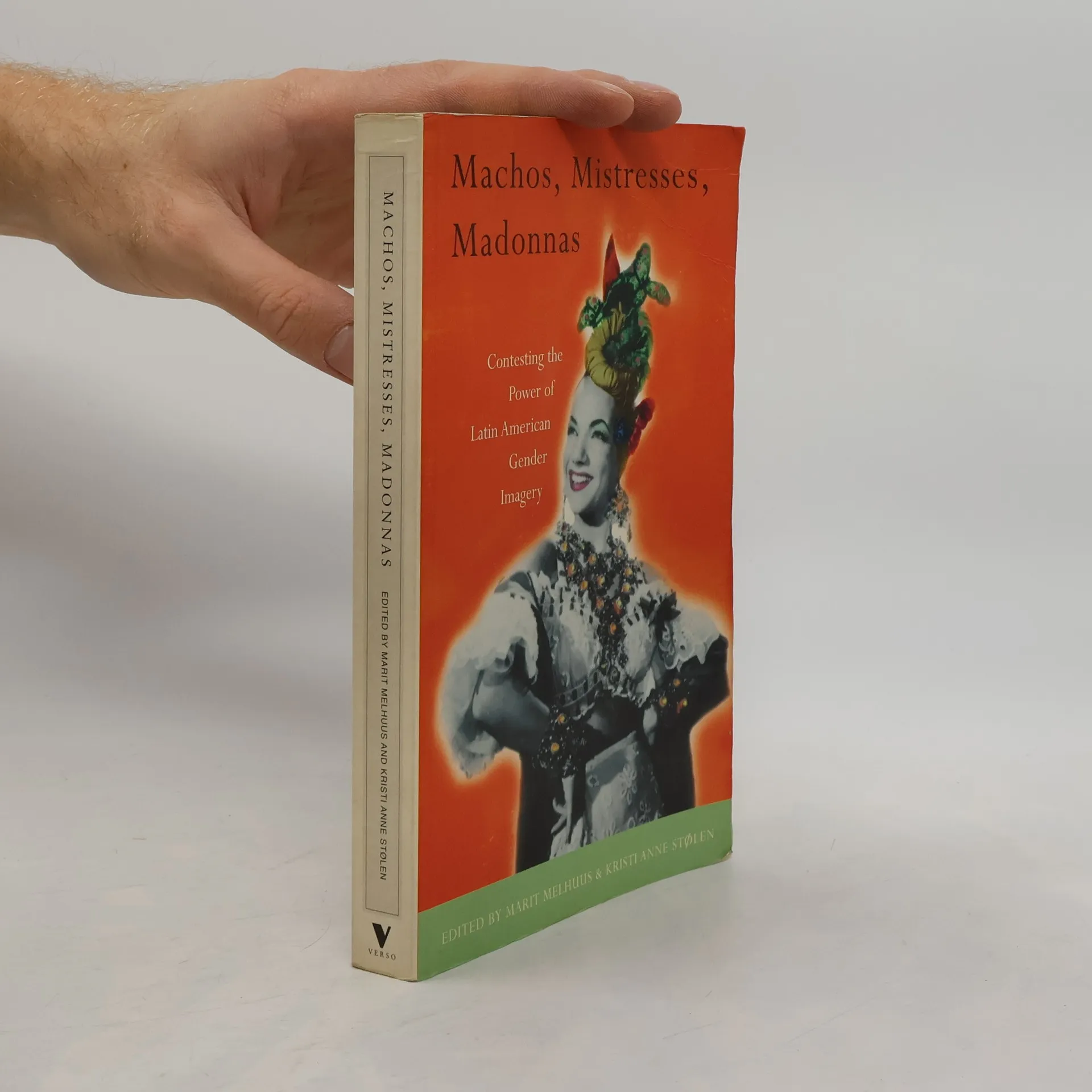
Critical Studies in Latin American and Iberian Cultures: Machos, Mistresses, Madonnas
Contesting the Power of Latin American Gender Imagery
Ocena książki
Więcej o książce
Challenging the stereotypical images of the dominating male and the subservient woman, Machos, Mistresses, Madonnas addresses the variety of representations of gender in Latin American culture. Ranging across homosexuality, prostitution, football, politics and ethnic relations, this fascinating study analyzes the many potent images of gender, from Maradona, the child trickster of Argentinian football, to La Malinche, mistress of a conquistador and traitor to her nation. Based on social anthropological fieldwork, the essays in Machos, Mistresses, Madonnas present rich ethnographic material drawn from a variety of locations in Latin America, from Mexico City to the highlands of Ecuador. Paying particular attention to the cultural and symbolic meanings of gender research in the region, together the essays reveal the central role of gender differences in the making of ethnic, national, political and economic divisions.
Zakup książki
Critical Studies in Latin American and Iberian Cultures: Machos, Mistresses, Madonnas, Marit Melhuus, Kristi Anne Stølen
- Język

- Rok wydania
- 1996
- Oprawa
- (miękka)
Metody płatności
Brakuje nam tutaj Twojej recenzji.
- Tytuł
- Critical Studies in Latin American and Iberian Cultures: Machos, Mistresses, Madonnas
- Podtytuł
- Contesting the Power of Latin American Gender Imagery
- Język
- angielski
- Autorzy
- Marit Melhuus, Kristi Anne Stølen
- Wydawca
- Verso
- Rok wydania
- 1996
- Oprawa
- miękka
- Liczba stron
- 288
- ISBN10
- 1859841600
- ISBN13
- 9781859841600
- Seria
- Ocena
- 2,6 z 5
- Opis
- Challenging the stereotypical images of the dominating male and the subservient woman, Machos, Mistresses, Madonnas addresses the variety of representations of gender in Latin American culture. Ranging across homosexuality, prostitution, football, politics and ethnic relations, this fascinating study analyzes the many potent images of gender, from Maradona, the child trickster of Argentinian football, to La Malinche, mistress of a conquistador and traitor to her nation. Based on social anthropological fieldwork, the essays in Machos, Mistresses, Madonnas present rich ethnographic material drawn from a variety of locations in Latin America, from Mexico City to the highlands of Ecuador. Paying particular attention to the cultural and symbolic meanings of gender research in the region, together the essays reveal the central role of gender differences in the making of ethnic, national, political and economic divisions.