

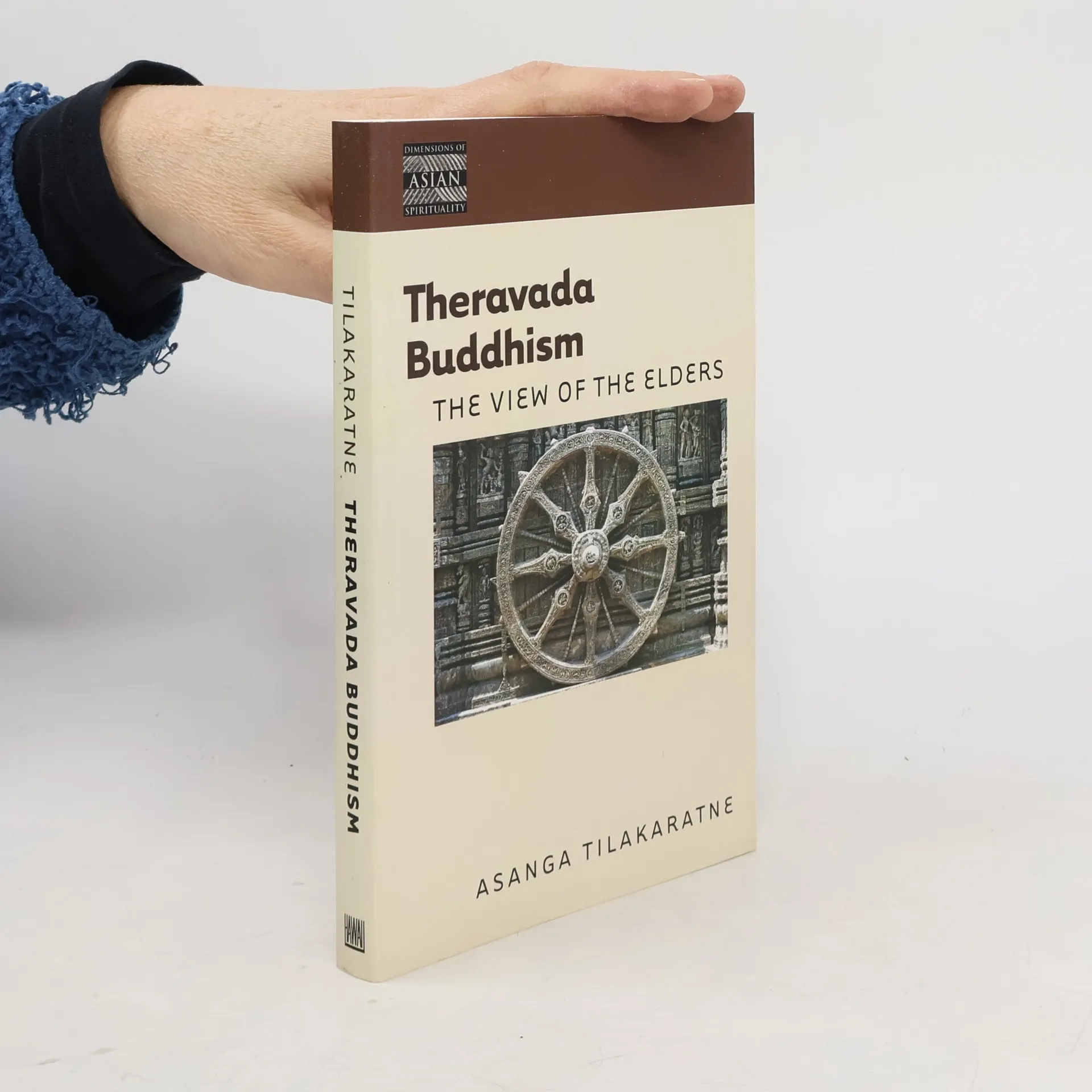


Więcej o książce
This book brings to life the age-old religious tradition of Theravada (literally, "view of the elders") Buddhism as it is found in ancient texts and understood and practiced today in South and Southeast Asia. Following a brief introduction to the life of the historical Buddha and the beginning of his mission, the book examines the Triple Gem (the Buddha, his teachings, and the community of monastic followers) and the basic teachings of the Buddha in the earliest available Pali sources. Basic Buddhist concepts such as dependent co-origination, the four noble truths, the three trainings, and karma and its result are discussed in non-technical language, along with the Buddha's message on social wellbeing. The author goes on to chronicle his own involvement as an observer-participant in "the Theravada world," where he was born and raised. His is a rare first-hand account of living Theravada Buddhism not only in its traditional habitats, but also in the world at large at the dawn of the twenty-first century. He concludes with a discussion on what is happening to Theravada today across the globe, covering issues such as diaspora Buddhism, women's Buddhism, and engaged Buddhism. The book's accessible language and clear explication of Theravada doctrine and texts make this an ideal introduction for the student and general reader.
Zakup książki
Theravada Buddhism, Asanga Tilakaratne
- Język

- Rok wydania
- 2012
- Oprawa
- (miękka)
Metody płatności
Brakuje nam tutaj Twojej recenzji.
- Tytuł
- Theravada Buddhism
- Podtytuł
- The View of the Elders
- Język
- angielski
- Autorzy
- Asanga Tilakaratne
- Wydawca
- University of Hawaii Press
- Rok wydania
- 2012
- Oprawa
- miękka
- Liczba stron
- 224
- ISBN10
- 0824836731
- ISBN13
- 9780824836733
- Seria
- Kategorie
- Tagi
- Tematy religijne
- Ocena
- 4,4 z 5
- Opis
- This book brings to life the age-old religious tradition of Theravada (literally, "view of the elders") Buddhism as it is found in ancient texts and understood and practiced today in South and Southeast Asia. Following a brief introduction to the life of the historical Buddha and the beginning of his mission, the book examines the Triple Gem (the Buddha, his teachings, and the community of monastic followers) and the basic teachings of the Buddha in the earliest available Pali sources. Basic Buddhist concepts such as dependent co-origination, the four noble truths, the three trainings, and karma and its result are discussed in non-technical language, along with the Buddha's message on social wellbeing. The author goes on to chronicle his own involvement as an observer-participant in "the Theravada world," where he was born and raised. His is a rare first-hand account of living Theravada Buddhism not only in its traditional habitats, but also in the world at large at the dawn of the twenty-first century. He concludes with a discussion on what is happening to Theravada today across the globe, covering issues such as diaspora Buddhism, women's Buddhism, and engaged Buddhism. The book's accessible language and clear explication of Theravada doctrine and texts make this an ideal introduction for the student and general reader.