

Więcej o książce
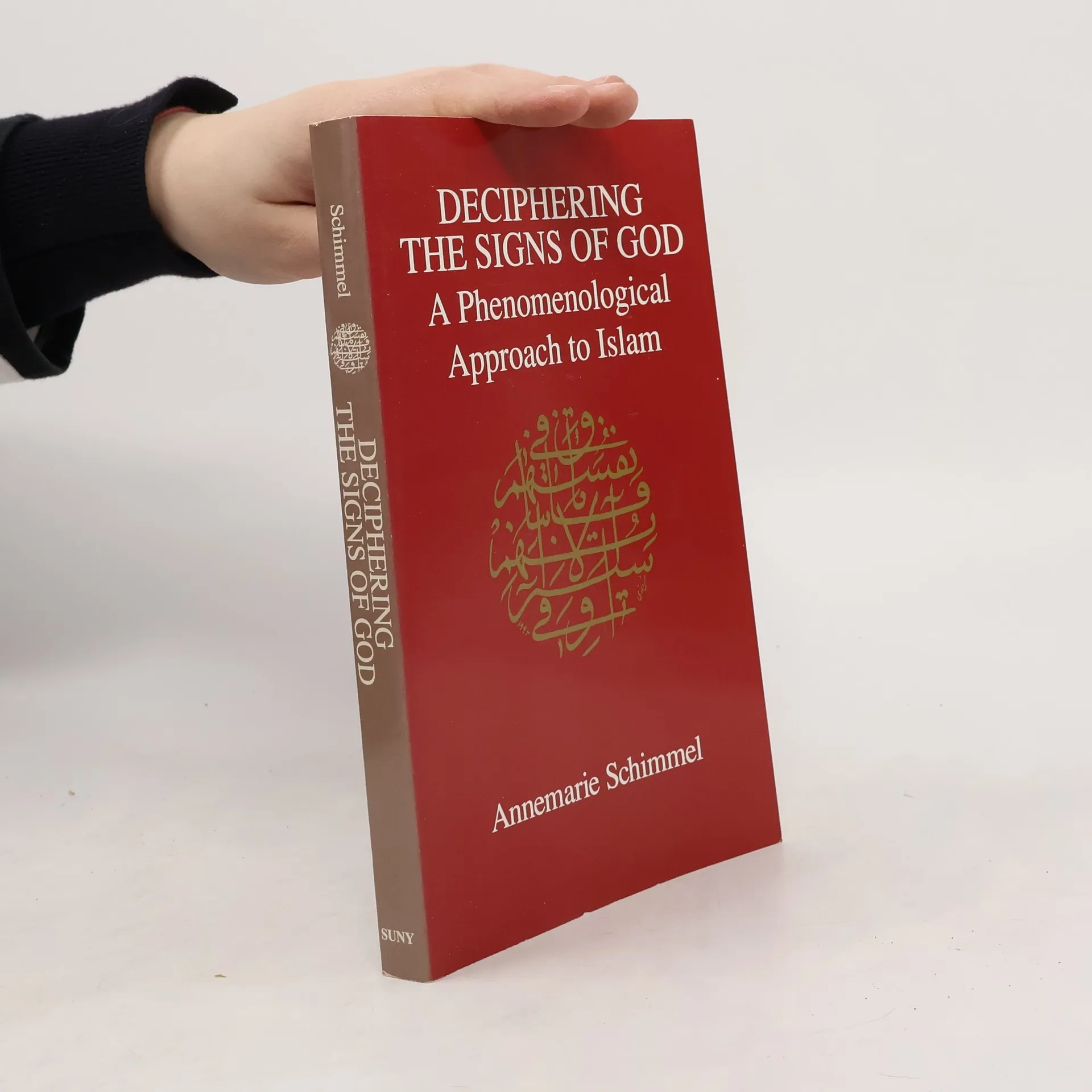
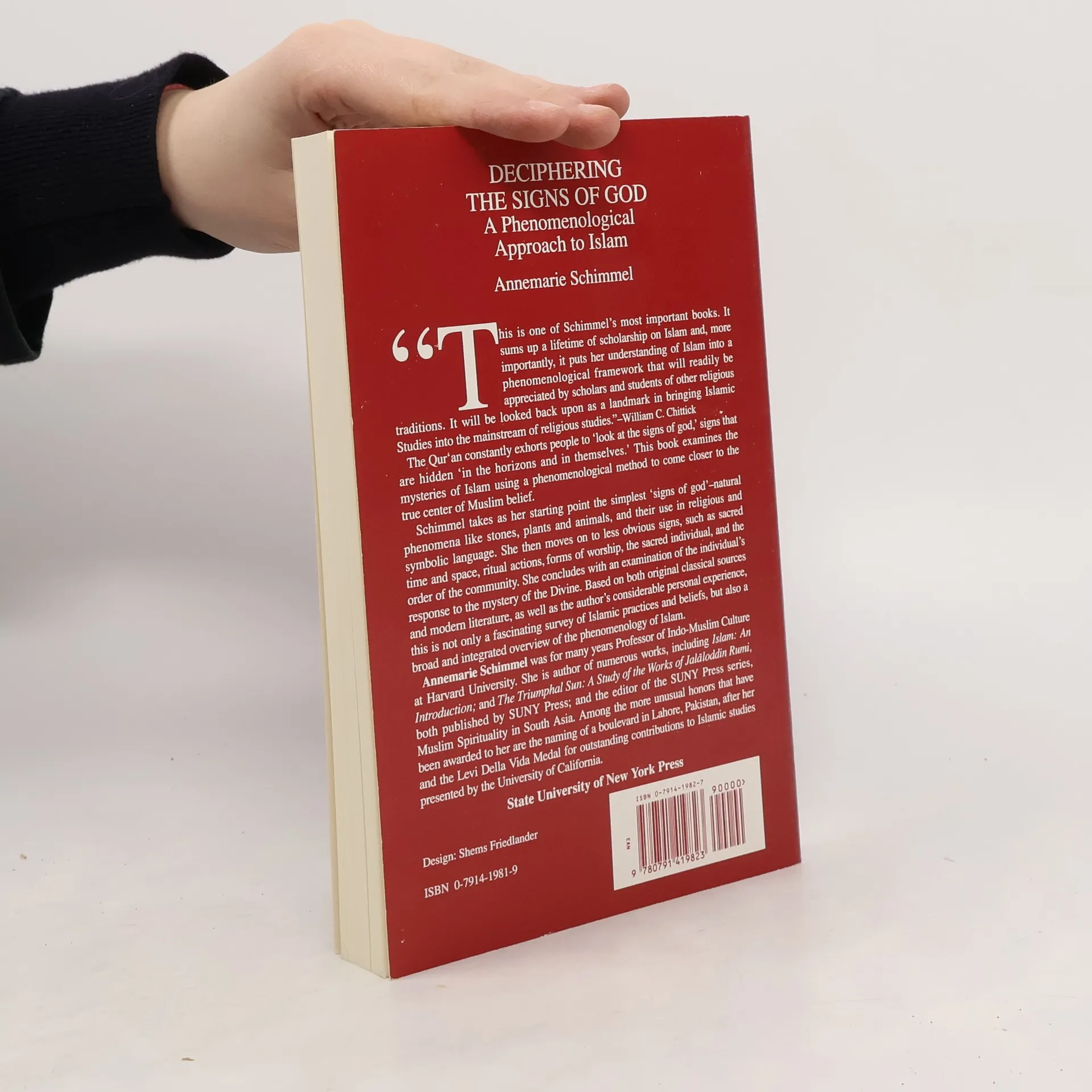
The Qur'an constantly exhorts people to 'look at the signs of god,' signs that are hidden 'in the horizons and in themselves.' This book examines the mysteries of Islam using a phenomenological method to come closer to the true center of Muslim belief.Schimmel takes as her starting point the simplest 'signs of god'— natural phenomena like stones, plants and animals, and their use in religious and symbolic language. She then moves on to less obvious signs, such as sacred time and space, ritual actions, forms of worship, the sacred individual, and the order of the community. She concludes with an examination of the individual's response to the mystery of the Divine. Based on both original classical sources and modern literature, as well as the author's considerable personal experience, this is not only a fascinating survey of Islamic practices and beliefs, but also a broad and integrated overview of the phenomenology of Islam.
Zakup książki
Deciphering the Signs of God, Annemarie Schimmel
- Język

- Rok wydania
- 1994
- Oprawa
- (miękka)
Metody płatności
Brakuje nam tutaj Twojej recenzji.
- Tytuł
- Deciphering the Signs of God
- Podtytuł
- A Phenomenological Approach to Islam
- Język
- angielski
- Autorzy
- Annemarie Schimmel
- Rok wydania
- 1994
- Oprawa
- miękka
- Liczba stron
- 324
- ISBN10
- 0791419827
- ISBN13
- 9780791419823
- Seria
- Ocena
- 4,25 z 5
- Opis
- The Qur'an constantly exhorts people to 'look at the signs of god,' signs that are hidden 'in the horizons and in themselves.' This book examines the mysteries of Islam using a phenomenological method to come closer to the true center of Muslim belief.Schimmel takes as her starting point the simplest 'signs of god'— natural phenomena like stones, plants and animals, and their use in religious and symbolic language. She then moves on to less obvious signs, such as sacred time and space, ritual actions, forms of worship, the sacred individual, and the order of the community. She concludes with an examination of the individual's response to the mystery of the Divine. Based on both original classical sources and modern literature, as well as the author's considerable personal experience, this is not only a fascinating survey of Islamic practices and beliefs, but also a broad and integrated overview of the phenomenology of Islam.