


Więcej o książce
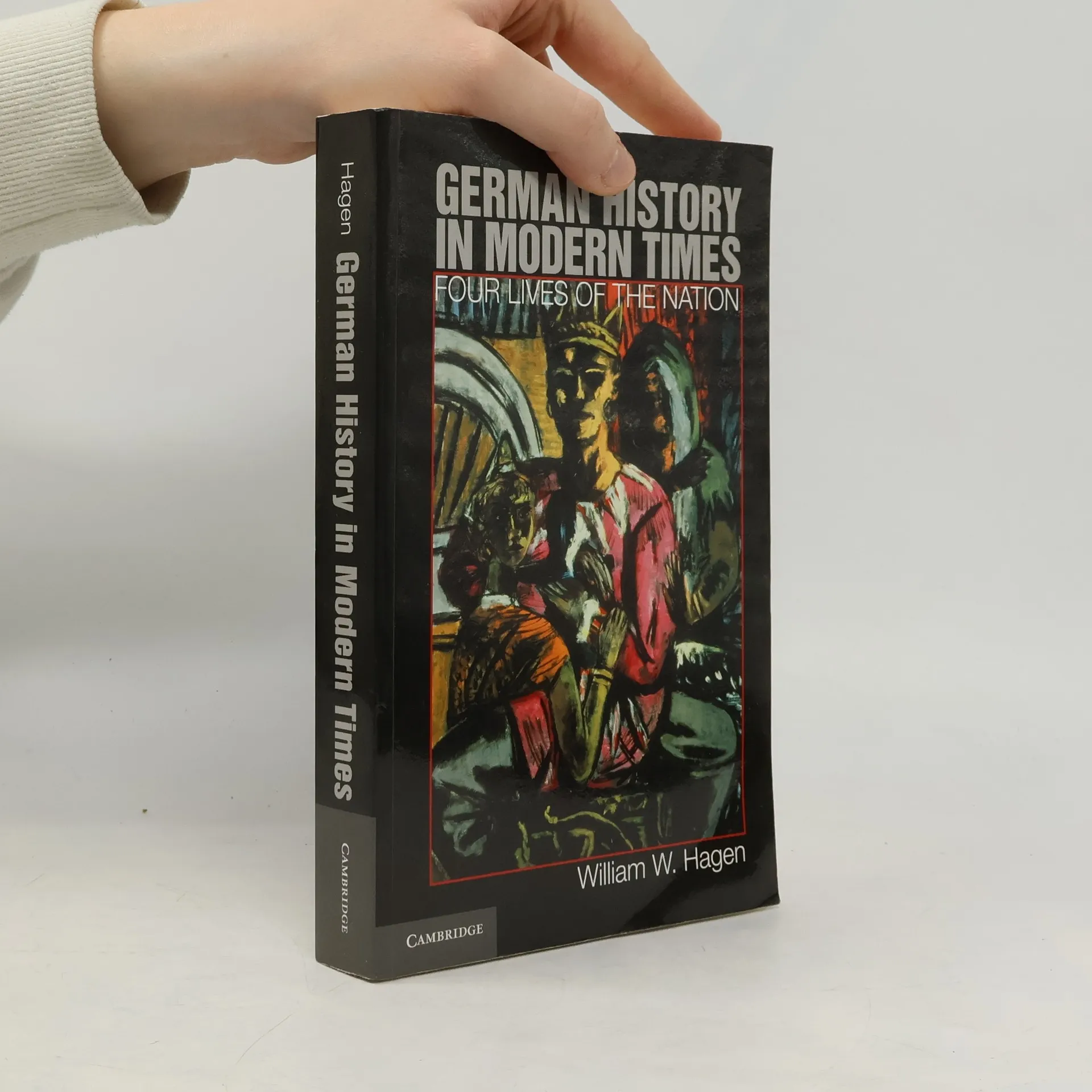
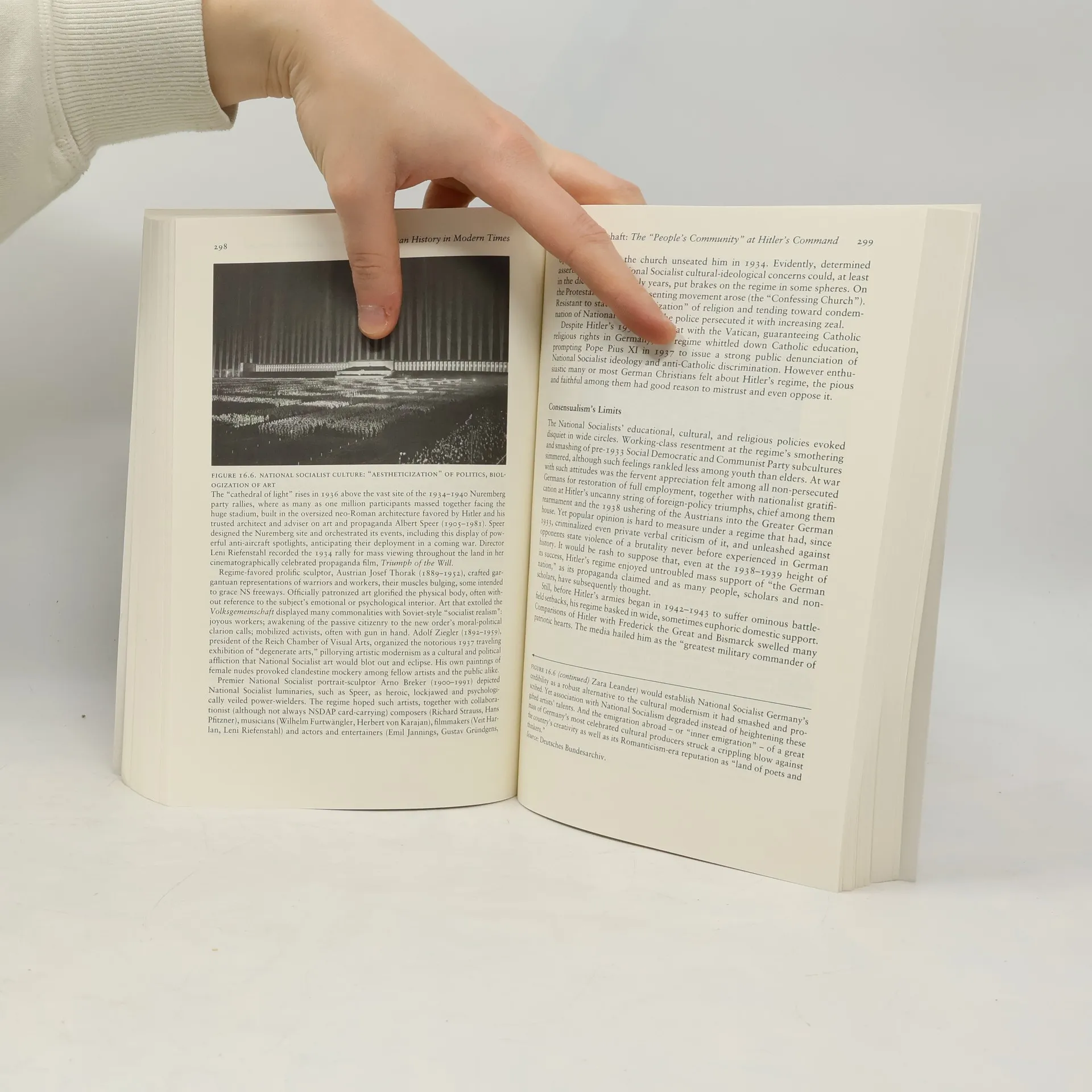
This history of German-speaking central Europe offers a very wide perspective, emphasizing a succession of many-layered communal identities. It highlights the interplay of individual, society, culture, and political power, contrasting German with western patterns. Rather than treating "the Germans" as a collective whole whose national history amounts to a cumulative biography, the book presents the pre-modern era of the Holy Roman Empire; the nineteenth century; the 1914-1945 era of war, dictatorship, and genocide; and the Cold War and post-Cold War eras since 1945 as successive worlds of German life, thought, and mentality. The book sets forth the differences between them, even as it traces paths leading from one to the other. This book's "Germany" is polycentric and multicultural, including the multi-national Austrian Habsburg Empire and the German Jews. Its approach to National Socialism offers a conceptually new understanding of the Holocaust. The book's numerous illustrations reveal German self-presentations and styles of life, which often contrast with western ideas of Germany.
Zakup książki
German History in Modern Times, William W. Hagen
- Język

- Rok wydania
- 2012
- Oprawa
- (miękka)
Metody płatności
Brakuje nam tutaj Twojej recenzji.
- Tytuł
- German History in Modern Times
- Podtytuł
- Four Lives of the Nation
- Język
- angielski
- Autorzy
- William W. Hagen
- Wydawca
- Cambridge University Press
- Rok wydania
- 2012
- Oprawa
- miękka
- Liczba stron
- 482
- ISBN10
- 0521175216
- ISBN13
- 9780521175210
- Seria
- Tagi
- Tematy historyczne, Niemcy
- Ocena
- 3,95 z 5
- Opis
- This history of German-speaking central Europe offers a very wide perspective, emphasizing a succession of many-layered communal identities. It highlights the interplay of individual, society, culture, and political power, contrasting German with western patterns. Rather than treating "the Germans" as a collective whole whose national history amounts to a cumulative biography, the book presents the pre-modern era of the Holy Roman Empire; the nineteenth century; the 1914-1945 era of war, dictatorship, and genocide; and the Cold War and post-Cold War eras since 1945 as successive worlds of German life, thought, and mentality. The book sets forth the differences between them, even as it traces paths leading from one to the other. This book's "Germany" is polycentric and multicultural, including the multi-national Austrian Habsburg Empire and the German Jews. Its approach to National Socialism offers a conceptually new understanding of the Holocaust. The book's numerous illustrations reveal German self-presentations and styles of life, which often contrast with western ideas of Germany.