

Parametry
- 269 stron
- 10 godzin czytania
Więcej o książce
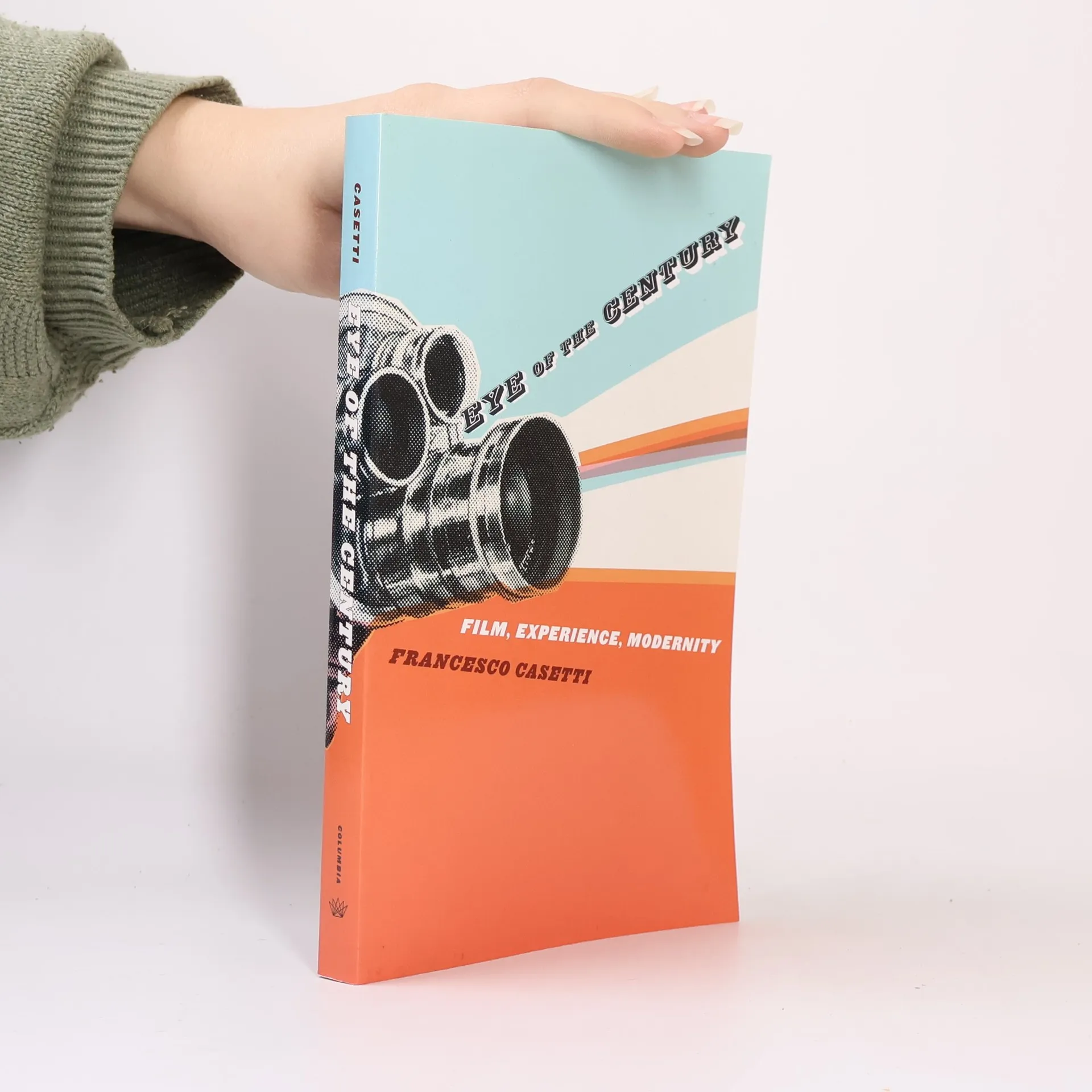
Did film in the twentieth century experiment with vision more than any other art form? Acclaimed film scholar Francesco Casetti explores this question by situating cinema within the discourses of modernity. He argues that film defined a unique gaze, capturing significant events and shaping their reception. Casetti begins by analyzing film's nature as a medium focused on immediacy, nearness, and accessibility. He discusses the myths and rituals created on screen and in theaters, which offered new images and behaviors in response to evolving social concerns and ideas. Film adeptly addressed the diverse needs of modernity, uniting conflicting stimuli and providing solace in a fragmented world while fulfilling a desire for everyday experiences. The medium's ability to communicate, inform, and negotiate defined its relevance. Casetti identifies several types of gaze cultivated by film: a personal gaze linked to point of view; a complex gaze merging reality and imagination; a piercing gaze, machine-generated yet anthropomorphic; an excited gaze rich in stimuli while remaining spectator-oriented; and an immersive gaze that balances engagement with distance. Each gaze combines contrasting qualities, resulting in a synthesis that embraces contradictions. Casetti demonstrates that film's vision, characterized by its oxymoronic nature, serves as a crucial lens for understanding the modern experience.
Zakup książki
Eye of the Century, Francesco Casetti, Jennifer Pranolo, Erin Larkin
- Język

- Rok wydania
- 2008
- Oprawa
- (miękka)
Metody płatności
Nikt jeszcze nie ocenił.
- Tytuł
- Eye of the Century
- Podtytuł
- Film, Experience, Modernity
- Język
- angielski
- Autorzy
- Francesco Casetti, Jennifer Pranolo, Erin Larkin
- Wydawca
- Columbia University Press
- Rok wydania
- 2008
- Oprawa
- miękka
- Liczba stron
- 269
- ISBN10
- 0231139950
- ISBN13
- 9780231139953
- Tagi
- Tematy historyczne, USA, Tematyka filmowa, Sztuki performatywne, Aspekty społeczne, Film dokumentalny, Krytyka filmowa
- Opis
- Did film in the twentieth century experiment with vision more than any other art form? Acclaimed film scholar Francesco Casetti explores this question by situating cinema within the discourses of modernity. He argues that film defined a unique gaze, capturing significant events and shaping their reception. Casetti begins by analyzing film's nature as a medium focused on immediacy, nearness, and accessibility. He discusses the myths and rituals created on screen and in theaters, which offered new images and behaviors in response to evolving social concerns and ideas. Film adeptly addressed the diverse needs of modernity, uniting conflicting stimuli and providing solace in a fragmented world while fulfilling a desire for everyday experiences. The medium's ability to communicate, inform, and negotiate defined its relevance. Casetti identifies several types of gaze cultivated by film: a personal gaze linked to point of view; a complex gaze merging reality and imagination; a piercing gaze, machine-generated yet anthropomorphic; an excited gaze rich in stimuli while remaining spectator-oriented; and an immersive gaze that balances engagement with distance. Each gaze combines contrasting qualities, resulting in a synthesis that embraces contradictions. Casetti demonstrates that film's vision, characterized by its oxymoronic nature, serves as a crucial lens for understanding the modern experience.