



Parametry
- 475 stron
- 17 godzin czytania
Więcej o książce
This book offers a concise yet thorough overview of computer and Internet security, ideal for a one-term introductory course for undergraduates or first-year graduate students. It also serves as a self-study resource for software developers, computing professionals, technical managers, and government staff. The focus is on brevity while covering core topics and technical details within approximately 350 pages. Selected content is designated as optional to further prioritize learning. Academic concepts are reinforced with specifics and examples, linking them to real-world problems and incidents. The first chapter introduces a gentle overview and 20 design principles for security, while the subsequent ten chapters provide a framework for understanding security, regularly referencing these principles with supporting examples. These principles correspond to recurring security-related error patterns in software and system designs over the past 50 years. The book is accessible, assuming no prior background in security, yet it delves into low-level details for key topics to illustrate concepts effectively. It remains technically rigorous without mathematical proofs or lengthy code examples that can alienate general audiences. While knowledge of basic operating systems and networking is beneficial, review sections summarize essential background. Graduate students will find inline exercises and supplemental references useful for furthe
Zakup książki
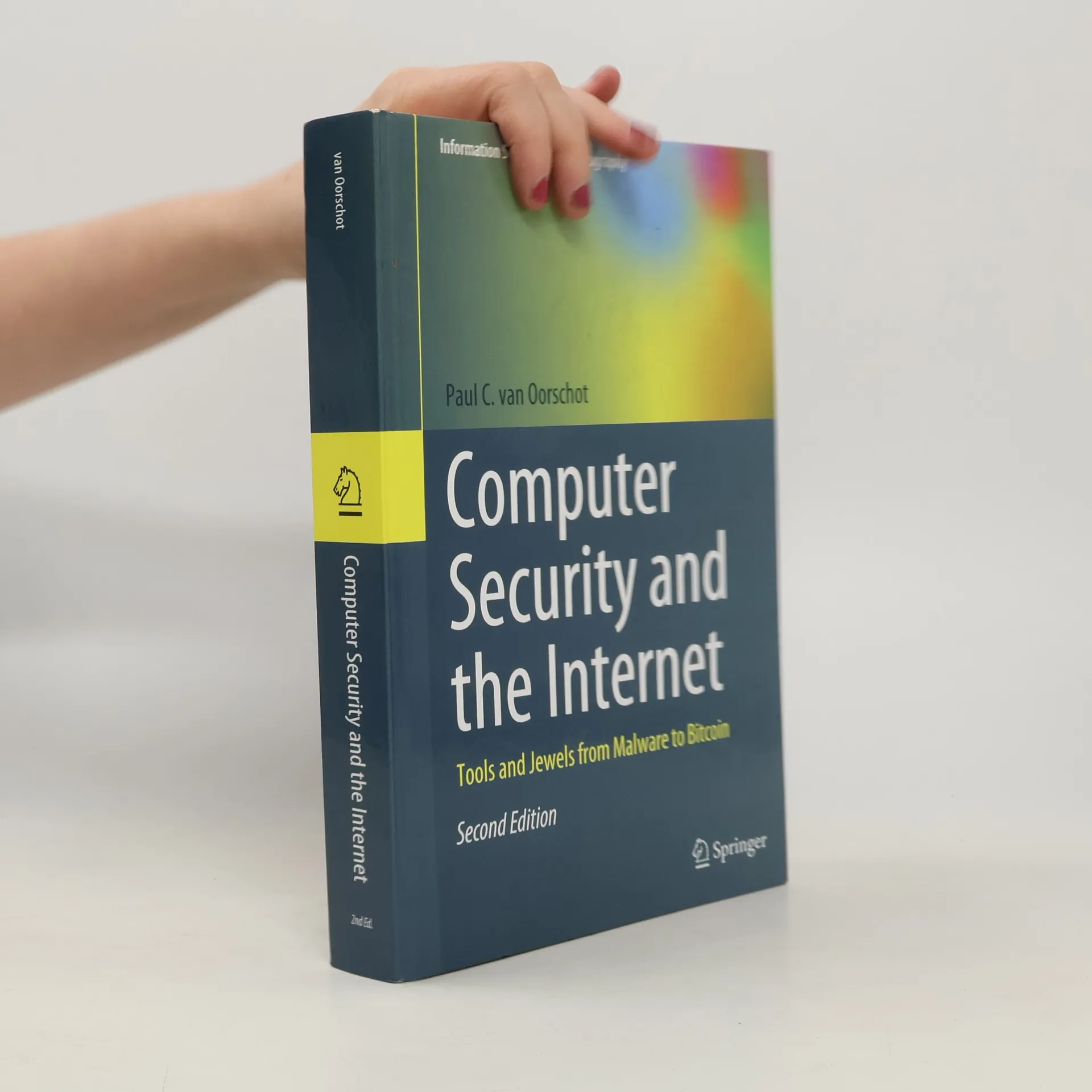
Computer Security and the Internet, Paul C. van Oorschot
- Język

- Rok wydania
- 2021
- Oprawa
- (twarda)
Metody płatności
Nikt jeszcze nie ocenił.
- Tytuł
- Computer Security and the Internet
- Podtytuł
- Tools and Jewels from Malware to Bitcoin - Second Edition
- Język
- angielski
- Autorzy
- Paul C. van Oorschot
- Wydawca
- Springer
- Rok wydania
- 2021
- Oprawa
- twarda
- Liczba stron
- 475
- ISBN10
- 3030834107
- ISBN13
- 9783030834104
- Seria
- Kategorie
- Tagi
- Nauki przyrodnicze, Nauka, Technologia, Literatura fachowa, Bezpieczeństwo, Sprzęt komputerowy, Zapory sieciowe
- Opis
- This book offers a concise yet thorough overview of computer and Internet security, ideal for a one-term introductory course for undergraduates or first-year graduate students. It also serves as a self-study resource for software developers, computing professionals, technical managers, and government staff. The focus is on brevity while covering core topics and technical details within approximately 350 pages. Selected content is designated as optional to further prioritize learning. Academic concepts are reinforced with specifics and examples, linking them to real-world problems and incidents. The first chapter introduces a gentle overview and 20 design principles for security, while the subsequent ten chapters provide a framework for understanding security, regularly referencing these principles with supporting examples. These principles correspond to recurring security-related error patterns in software and system designs over the past 50 years. The book is accessible, assuming no prior background in security, yet it delves into low-level details for key topics to illustrate concepts effectively. It remains technically rigorous without mathematical proofs or lengthy code examples that can alienate general audiences. While knowledge of basic operating systems and networking is beneficial, review sections summarize essential background. Graduate students will find inline exercises and supplemental references useful for furthe