


Parametry
- 278 stron
- 10 godzin czytania
Więcej o książce
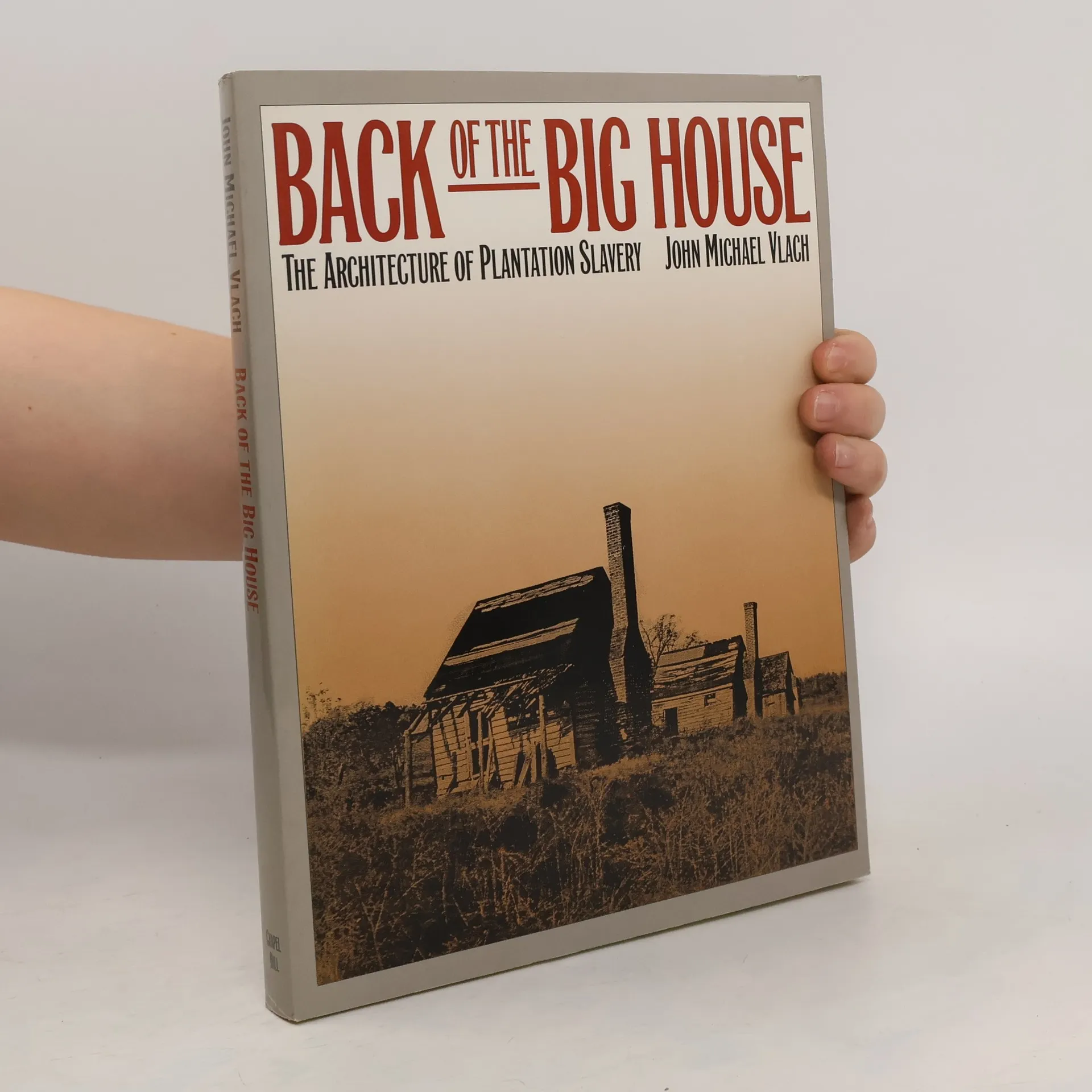
Behind the "Big Houses" of the antebellum South existed a different world, socially and architecturally, where slaves lived and worked. John Michael Vlach explores the structures and spaces that formed the slaves' environment. Through photographs and the words of former slaves, he portrays the plantation landscape from the slaves' own point of view.The plantation landscape was chiefly the creation of slaveholders, but Vlach argues convincingly that slaves imbued this landscape with their own meanings. Their subtle acts of appropriation constituted one of the more effective strategies of slave resistance and one that provided a locus for the formation of a distinctive African American culture in the South.Vlach has chosen more than 200 photographs and drawings from the Historic American Buildings Survey--an archive that has been mined many times for its images of the planters' residences but rarely for those of slave dwellings. In a dramatic photographic tour, Vlach leads readers through kitchens, smokehouses, dairies, barns and stables, and overseers' houses, finally reaching the slave quarters. To evoke a firsthand sense of what it was like to live and work in these spaces, he includes excerpts from the moving testimonies of former slaves drawn from the Federal Writers' Project collections.
Zakup książki
Back of the Big House, John Michael Vlach
- Język

- Rok wydania
- 1993
- Oprawa
- (miękka)
Metody płatności
Brakuje nam tutaj Twojej recenzji.
- Tytuł
- Back of the Big House
- Podtytuł
- The Architecture of Plantation Slavery
- Język
- angielski
- Autorzy
- John Michael Vlach
- Rok wydania
- 1993
- Oprawa
- miękka
- Liczba stron
- 278
- ISBN10
- 0807844128
- ISBN13
- 9780807844120
- Kategorie
- Tagi
- Tematy historyczne, Poradniki, Tematy prawne, Sztuka, Architektura, USA, XIX wiek, Literatura afroamerykańska, Historia społeczna, Niewolnictwo, Niewolnicy, Warunki Społeczne
- Ocena
- 4,05 z 5
- Opis
- Behind the "Big Houses" of the antebellum South existed a different world, socially and architecturally, where slaves lived and worked. John Michael Vlach explores the structures and spaces that formed the slaves' environment. Through photographs and the words of former slaves, he portrays the plantation landscape from the slaves' own point of view.The plantation landscape was chiefly the creation of slaveholders, but Vlach argues convincingly that slaves imbued this landscape with their own meanings. Their subtle acts of appropriation constituted one of the more effective strategies of slave resistance and one that provided a locus for the formation of a distinctive African American culture in the South.Vlach has chosen more than 200 photographs and drawings from the Historic American Buildings Survey--an archive that has been mined many times for its images of the planters' residences but rarely for those of slave dwellings. In a dramatic photographic tour, Vlach leads readers through kitchens, smokehouses, dairies, barns and stables, and overseers' houses, finally reaching the slave quarters. To evoke a firsthand sense of what it was like to live and work in these spaces, he includes excerpts from the moving testimonies of former slaves drawn from the Federal Writers' Project collections.