

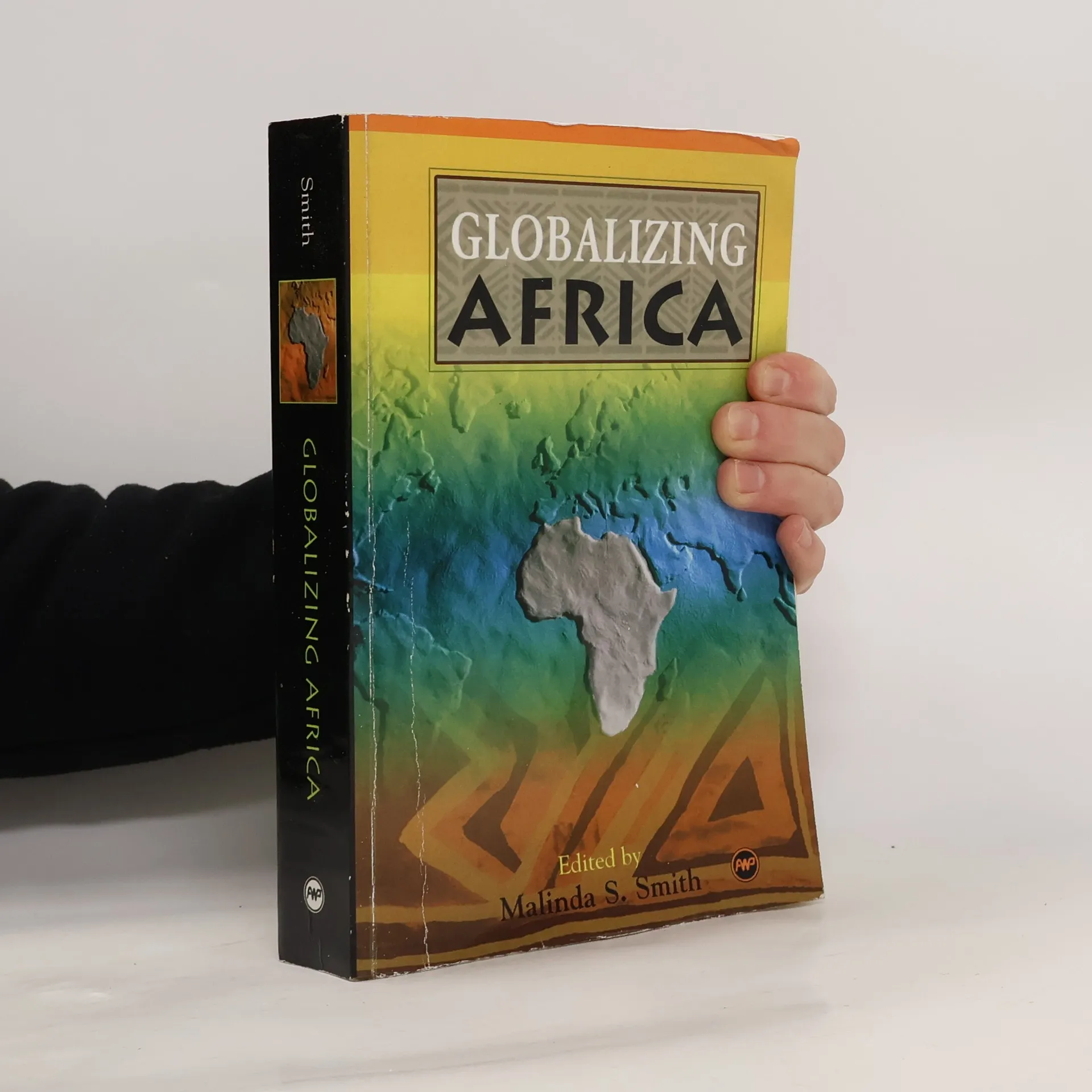
Więcej o książce
At the outset of the twenty-first century, Afropessimism dominates discussions about Africa, often depicting the continent as "hopeless" and marginalized within the global economy. This interdisciplinary volume challenges these interpretations while critiquing neoliberal globalization and its uneven effects on Africa. The essays explore the constraints and opportunities within Africa's political economy, civil societies, and cultural production amid intensifying globalization. Despite diverse perspectives, all contributors are committed to critically examining globalization's implications for Africa and enhancing research and teaching in African studies. This collection features thirty essays that provide a comprehensive analysis of the political, economic, and cultural impacts of globalization on the continent. The book is organized into three parts: Part I analyzes Africa's representation and its struggles for democracy, governance, peace, and human rights from slavery to the postcolonial era. Part II assesses the challenges of economic development in postcolonial Africa and the factors influencing its marginalization in the global economy. Part III reflects on African indigenous knowledge, universities, cultural industries, and themes of memory and reconciliation in postconflict societies.
Zakup książki
Globalizing Africa, Malinda S. Smith
- Język

- Rok wydania
- 2003
- Oprawa
- (miękka)
Metody płatności
Nikt jeszcze nie ocenił.
- Tytuł
- Globalizing Africa
- Język
- angielski
- Autorzy
- Malinda S. Smith
- Wydawca
- Africa World Press
- Rok wydania
- 2003
- Oprawa
- miękka
- Liczba stron
- 593
- ISBN10
- 0865438706
- ISBN13
- 9780865438705
- Seria
- Opis
- At the outset of the twenty-first century, Afropessimism dominates discussions about Africa, often depicting the continent as "hopeless" and marginalized within the global economy. This interdisciplinary volume challenges these interpretations while critiquing neoliberal globalization and its uneven effects on Africa. The essays explore the constraints and opportunities within Africa's political economy, civil societies, and cultural production amid intensifying globalization. Despite diverse perspectives, all contributors are committed to critically examining globalization's implications for Africa and enhancing research and teaching in African studies. This collection features thirty essays that provide a comprehensive analysis of the political, economic, and cultural impacts of globalization on the continent. The book is organized into three parts: Part I analyzes Africa's representation and its struggles for democracy, governance, peace, and human rights from slavery to the postcolonial era. Part II assesses the challenges of economic development in postcolonial Africa and the factors influencing its marginalization in the global economy. Part III reflects on African indigenous knowledge, universities, cultural industries, and themes of memory and reconciliation in postconflict societies.