

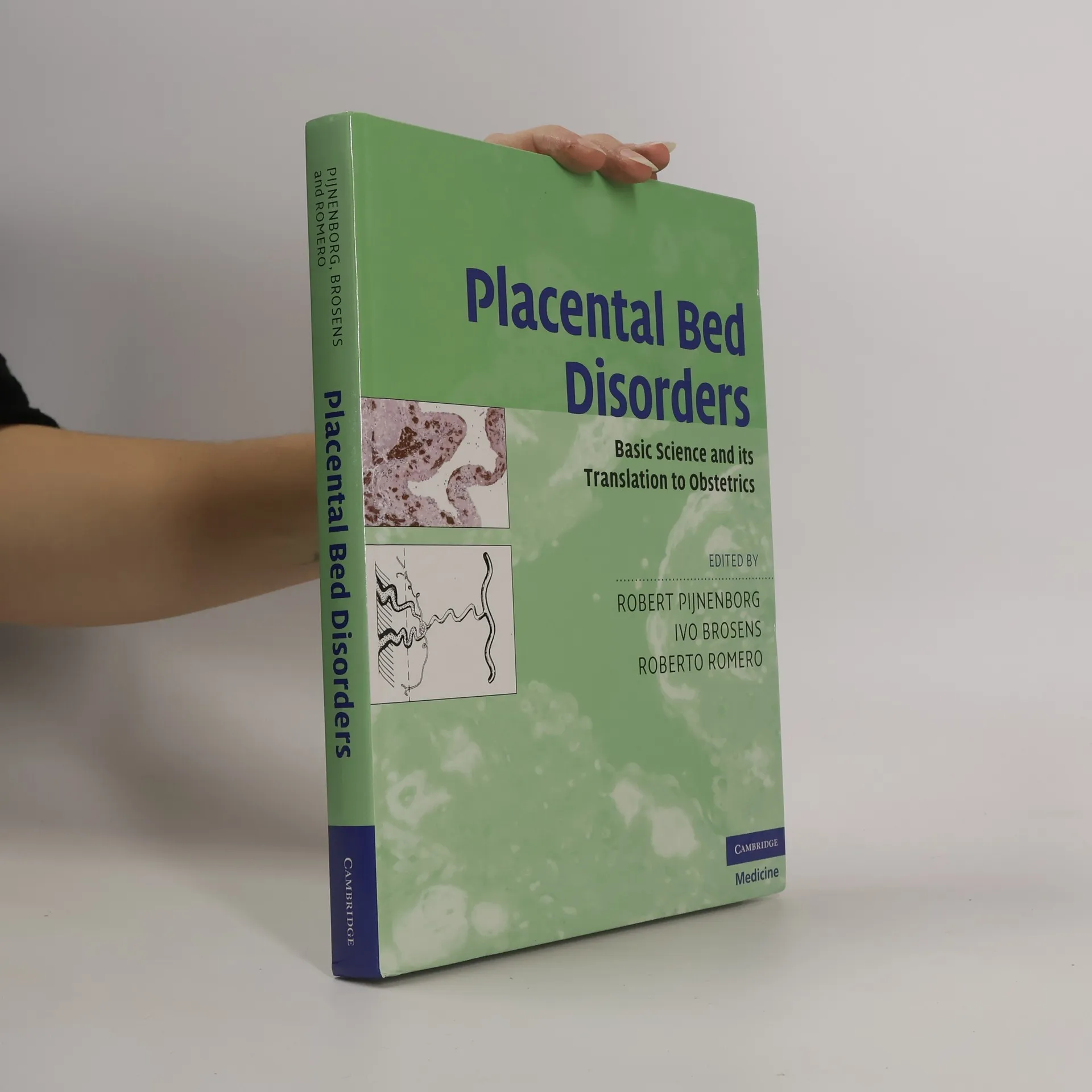
Cambridge Medicine: Placental Bed Disorders
Basic Science and Its Translation to Obstetrics - Hardcover
Ocena książki
Więcej o książce
It is now recognized that defective placentation in the human is a cause of many pregnancy complications, such as spontaneous abortion, preterm labor and delivery, pre-eclampsia, intrauterine growth restriction, fetal death and abruptio placenta. These clinical disorders can often have long-term consequences into adulthood, causing cardiovascular disease, obesity and diabetes for the newborn as well as an increased risk of premature death in the mother. This is the first book to be entirely focused on the placental bed, bringing together the results of basic and clinical research in cell biology, immunology, endocrinology, pathology, genetics and imaging to consolidate in a single, informative source for investigators and clinicians. Its core aim is to explore new approaches and improve current clinical practice. This is essential reading for clinicians in obstetric, cardiovascular and reproductive medicine.
Zakup książki
Cambridge Medicine: Placental Bed Disorders, Robert Pijnenborg, Ivo Brosens, Roberto Romero Chevez
- Język

- Rok wydania
- 2010
- Oprawa
- (twarda)
Metody płatności
Brakuje nam tutaj Twojej recenzji.
- Tytuł
- Cambridge Medicine: Placental Bed Disorders
- Podtytuł
- Basic Science and Its Translation to Obstetrics - Hardcover
- Język
- angielski
- Wydawca
- Cambridge University Press
- Rok wydania
- 2010
- Oprawa
- twarda
- Liczba stron
- 320
- ISBN10
- 0521517850
- ISBN13
- 9780521517850
- Seria
- Kategorie
- Ocena
- 5 z 5
- Opis
- It is now recognized that defective placentation in the human is a cause of many pregnancy complications, such as spontaneous abortion, preterm labor and delivery, pre-eclampsia, intrauterine growth restriction, fetal death and abruptio placenta. These clinical disorders can often have long-term consequences into adulthood, causing cardiovascular disease, obesity and diabetes for the newborn as well as an increased risk of premature death in the mother. This is the first book to be entirely focused on the placental bed, bringing together the results of basic and clinical research in cell biology, immunology, endocrinology, pathology, genetics and imaging to consolidate in a single, informative source for investigators and clinicians. Its core aim is to explore new approaches and improve current clinical practice. This is essential reading for clinicians in obstetric, cardiovascular and reproductive medicine.