

Więcej o książce
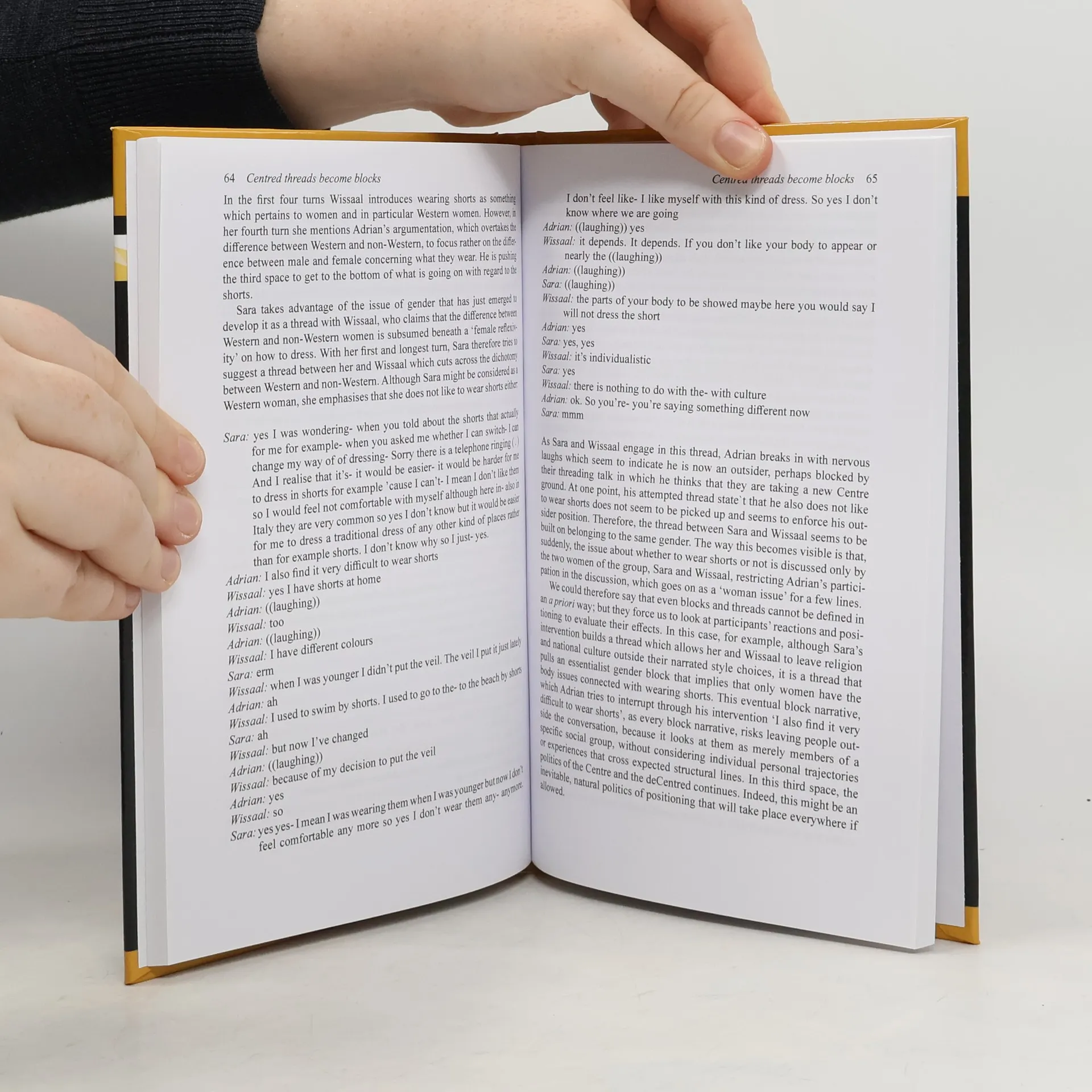
In this book we wish to find a new way of talking about, connecting and operationalising the third space, narratives, positioning, and interculturality. Our purpose is to shake established views in what we consider to be an urgent quest for dealing with prejudice. We therefore seek to draw attention to the following: How Centre structures and large culture boundaries are sources of prejudice How deCentred intercultural threads address prejudice by dissolving these boundaries How, in everyday small culture formation on the go, the cultural and the intercultural are observable and become indistinguishable How agency, personal and grand narratives, discourses, and positioning become visible in unexpected ways How we researchers also bring competing narratives in making sense of the intercultural How third spaces are discordant and uncomfortable places in which all of us must struggle to achieve interculturality This book is therefore a journey of discovery with each chapter building on the previous ones. While throughout there are particular empirical events (interviews, reconstructed ethnographic accounts and research diary entries) with their own detailed analyses and insights, they connect back to discussion in previous chapters.
Zakup książki
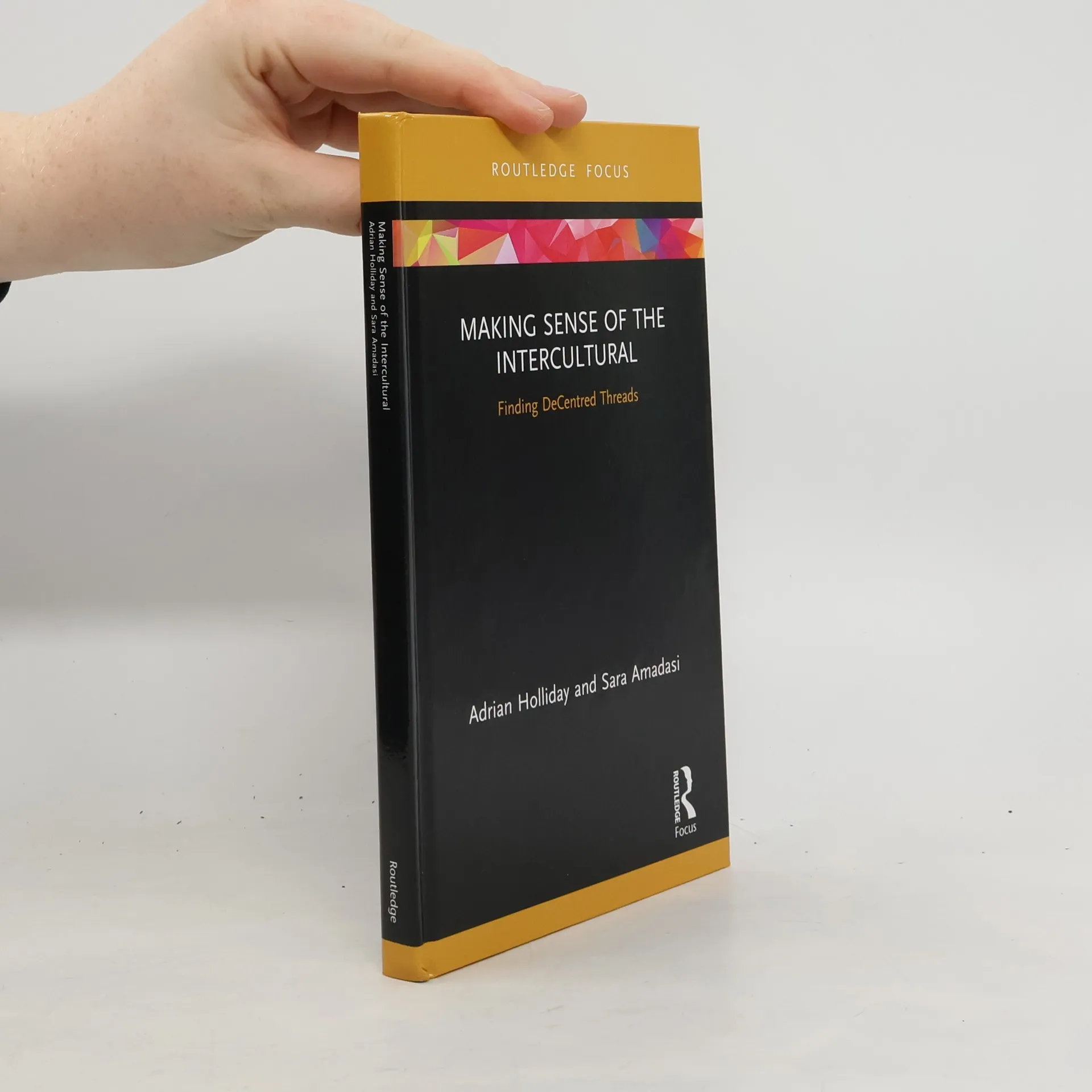
Routledge Focus: Making Sense of the Intercultural, Adrian Richard Holliday, Sara Amadasi
- Język

- Rok wydania
- 2019
- Oprawa
- (twarda)
Metody płatności
Nikt jeszcze nie ocenił.
- Tytuł
- Routledge Focus: Making Sense of the Intercultural
- Język
- angielski
- Autorzy
- Adrian Richard Holliday, Sara Amadasi
- Wydawca
- Routledge
- Rok wydania
- 2019
- Oprawa
- twarda
- Liczba stron
- 152
- ISBN10
- 113848203X
- ISBN13
- 9781138482036
- Seria
- Kategorie
- Tagi
- Opis
- In this book we wish to find a new way of talking about, connecting and operationalising the third space, narratives, positioning, and interculturality. Our purpose is to shake established views in what we consider to be an urgent quest for dealing with prejudice. We therefore seek to draw attention to the following: How Centre structures and large culture boundaries are sources of prejudice How deCentred intercultural threads address prejudice by dissolving these boundaries How, in everyday small culture formation on the go, the cultural and the intercultural are observable and become indistinguishable How agency, personal and grand narratives, discourses, and positioning become visible in unexpected ways How we researchers also bring competing narratives in making sense of the intercultural How third spaces are discordant and uncomfortable places in which all of us must struggle to achieve interculturality This book is therefore a journey of discovery with each chapter building on the previous ones. While throughout there are particular empirical events (interviews, reconstructed ethnographic accounts and research diary entries) with their own detailed analyses and insights, they connect back to discussion in previous chapters.