


Parametry
- 251 stron
- 9 godzin czytania
Więcej o książce
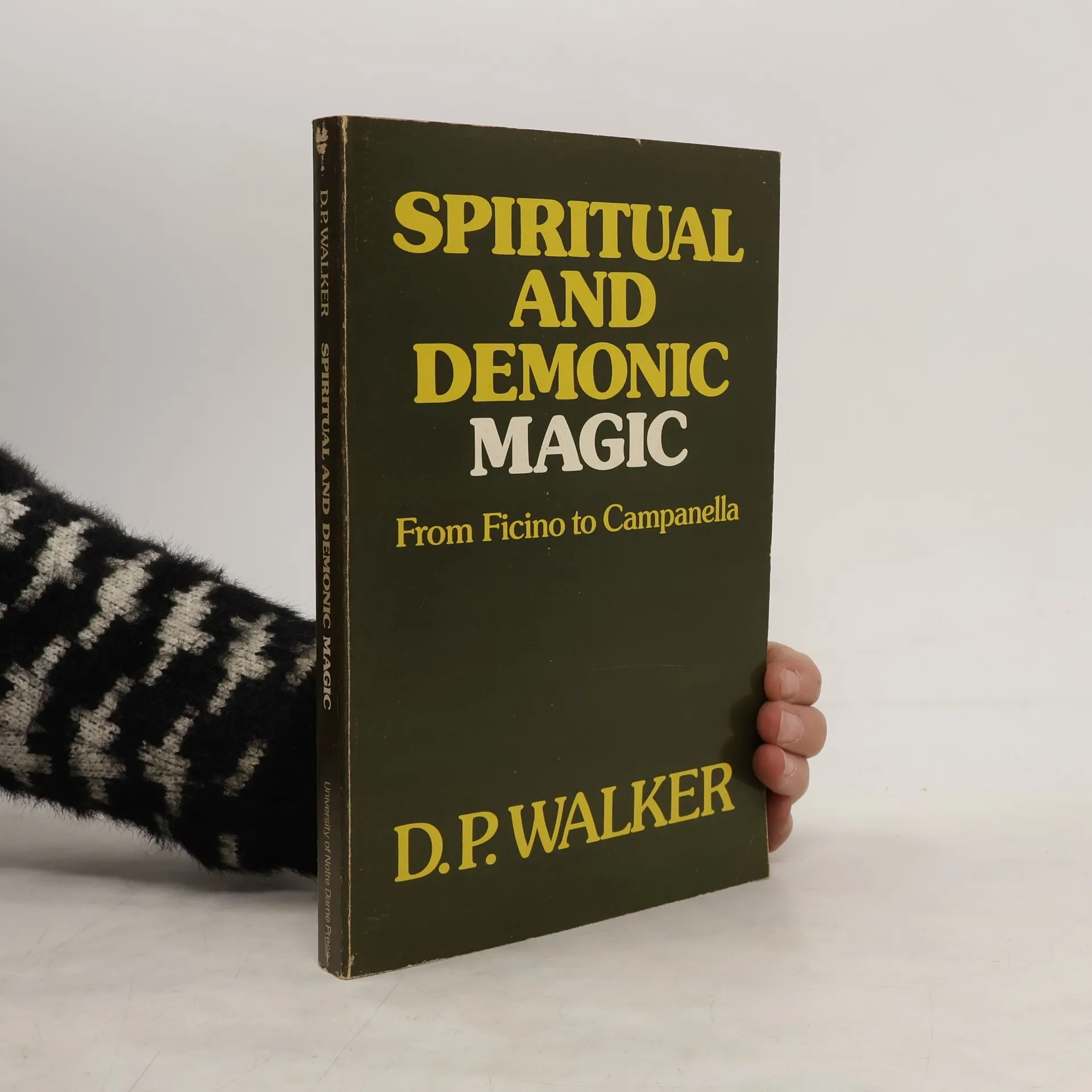
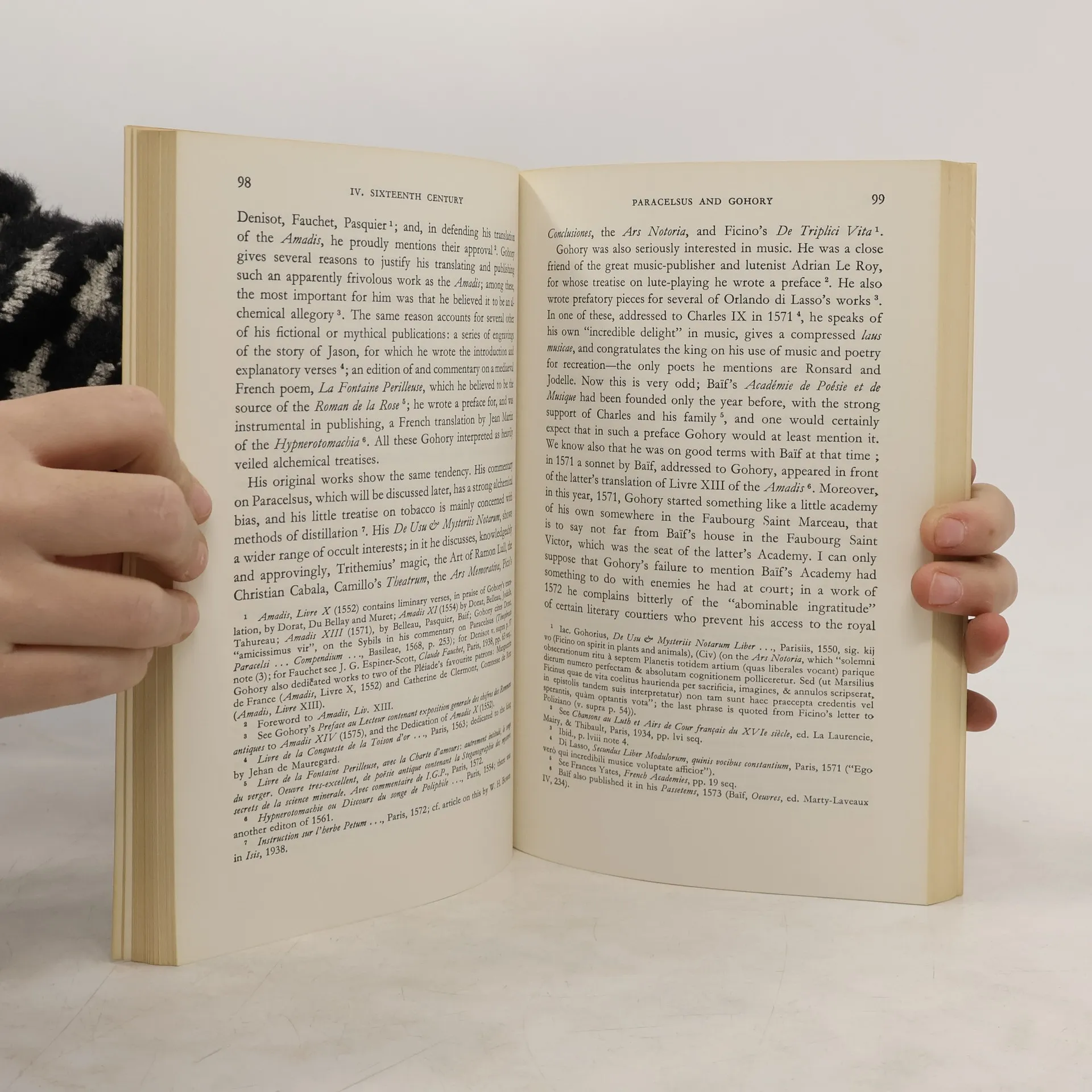
First published by the Warburg Institute in 1958, this book is considered a landmark in Renaissance studies. Whereas most scholars had tended to view magic as a marginal subject, Walker showed that magic was one of the most typical creations of the late fifteenth and sixteenth centuries. Walker takes readers through the magical concerns of some of the greatest thinkers of the Renaissance, from Marsilio Ficino, Giovanni Pico della Mirandola, and Jacques Lefevre d'Etaples to Jean Bodin, Francis Bacon, and Tommaso Campanella. Ultimately he demonstrates that magic was interconnected with religion, music, and medicine, all of which were central to the Renaissance notion of spiritus. Remarkable for its clarity of writing, this book is still considered essential reading for students seeking to understand the assumptions, beliefs, and convictions that informed the thinking of the Renaissance. This edition features a new introduction by Brian Copenhaver, one of our leading experts on the place of magic in intellectual history. D.P. Walker (1914-1985) was trained at Oxford and spent most of his career at the Warburg Institute of the University of London. His other books are The Decline of Hell (Warburg, 1964), The Ancient Theology (Duckworth, 1972), and Unclean Spirits: Possession and Exorcism in France and England in the Late Sixteenth and Early Seventeenth Centuries (Scolar, 1981).
Zakup książki
Spiritual and Demonic Magic, Daniel Pickering Walker
- Język

- Rok wydania
- 1975
- Oprawa
- (miękka)
Metody płatności
Brakuje nam tutaj Twojej recenzji.
- Tytuł
- Spiritual and Demonic Magic
- Podtytuł
- From Ficino to Campanella
- Język
- angielski
- Autorzy
- Daniel Pickering Walker
- Rok wydania
- 1975
- Oprawa
- miękka
- Liczba stron
- 251
- ISBN10
- 0268016704
- ISBN13
- 9780268016708
- Seria
- Kategorie
- Tagi
- Tematy historyczne, Tematy religijne, Tematyka filozoficzna, Czary & Magia, Okultyzm, Umysł & Ciało, Mistycyzm
- Ocena
- 3,5 z 5
- Opis
- First published by the Warburg Institute in 1958, this book is considered a landmark in Renaissance studies. Whereas most scholars had tended to view magic as a marginal subject, Walker showed that magic was one of the most typical creations of the late fifteenth and sixteenth centuries. Walker takes readers through the magical concerns of some of the greatest thinkers of the Renaissance, from Marsilio Ficino, Giovanni Pico della Mirandola, and Jacques Lefevre d'Etaples to Jean Bodin, Francis Bacon, and Tommaso Campanella. Ultimately he demonstrates that magic was interconnected with religion, music, and medicine, all of which were central to the Renaissance notion of spiritus. Remarkable for its clarity of writing, this book is still considered essential reading for students seeking to understand the assumptions, beliefs, and convictions that informed the thinking of the Renaissance. This edition features a new introduction by Brian Copenhaver, one of our leading experts on the place of magic in intellectual history. D.P. Walker (1914-1985) was trained at Oxford and spent most of his career at the Warburg Institute of the University of London. His other books are The Decline of Hell (Warburg, 1964), The Ancient Theology (Duckworth, 1972), and Unclean Spirits: Possession and Exorcism in France and England in the Late Sixteenth and Early Seventeenth Centuries (Scolar, 1981).