

Więcej o książce
When Go·várdhana composed his "Seven Hundred Elegant Verses" in Sanskrit in the twelfth century CE, the title suggested that this was a response to the 700 verses in the more demotic Prakrit language traditionally attributed to King Hala, composed almost a thousand years earlier. Both sets of poems were composed in the arya metre. Besides being the name of a metre, in Sanskrit arya means a noble or elegant lady, and Go·várdhana wished to reflect and appeal to a sophisticated culture. These poems each consist of a single stanza, almost as condensed and allusive as a Japanese haiku. They cover the gamut of human life and emotion, though the favorite topic is love in all its aspects.Co-published by New York University Press and the JJC FoundationFor more on this title and other titles in the Clay Sanskrit series, please visit
Zakup książki
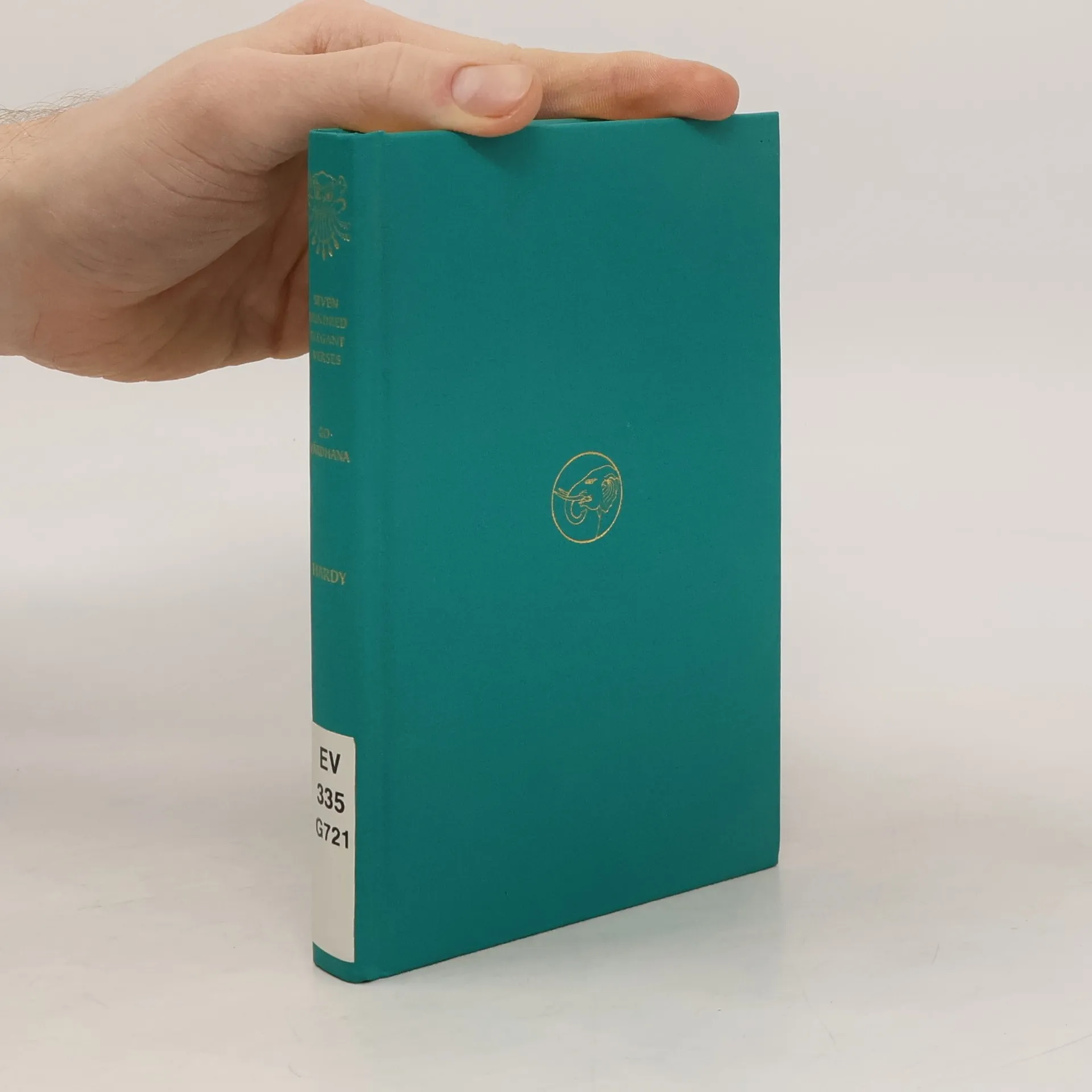
Seven Hundred Elegant Verses, Govardhana, Friedhelm Hardy
- Język

- Rok wydania
- 2007
- Oprawa
- (twarda)
Metody płatności
Brakuje nam tutaj Twojej recenzji.
- Tytuł
- Seven Hundred Elegant Verses
- Język
- angielski
- Autorzy
- Govardhana, Friedhelm Hardy
- Wydawca
- Clay Sanskrit
- Rok wydania
- 2007
- Oprawa
- twarda
- Liczba stron
- 360
- ISBN10
- 0814736874
- ISBN13
- 9780814736876
- Seria
- Ocena
- 5 z 5
- Opis
- When Go·várdhana composed his "Seven Hundred Elegant Verses" in Sanskrit in the twelfth century CE, the title suggested that this was a response to the 700 verses in the more demotic Prakrit language traditionally attributed to King Hala, composed almost a thousand years earlier. Both sets of poems were composed in the arya metre. Besides being the name of a metre, in Sanskrit arya means a noble or elegant lady, and Go·várdhana wished to reflect and appeal to a sophisticated culture. These poems each consist of a single stanza, almost as condensed and allusive as a Japanese haiku. They cover the gamut of human life and emotion, though the favorite topic is love in all its aspects.Co-published by New York University Press and the JJC FoundationFor more on this title and other titles in the Clay Sanskrit series, please visit